Pest Control in Fort Valley, Georgia
Fort Valley's agricultural identity includes peach orchards, pecan production, and farm-related businesses such as Lane Southern Orchards. Harvesting, produce handling, and food storage create specific conditions requiring pest awareness. Small flies can develop where damaged fruit or moist organic residue remains available, while certain stored-product insects may affect susceptible packaged goods in dry storage. Not every insect found around a produce market is a stored-product pest. Identifying the breeding or feeding source is necessary before deciding whether cleaning, inventory removal, or additional control is warranted. At homes with fruit trees, fallen produce can also become an attractant if it remains on the ground. These concerns differ from those associated with sealed retail goods or ordinary residential kitchens.
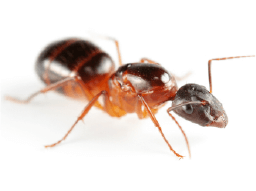
Fort Valley's neighborhoods and businesses connect with Byron, Perry, Warner Robins, and Roberta across central Georgia. Away from orchard operations, Argentine ants and other household ants may move from outdoor colonies into homes through foundation joints and openings near plumbing. Rodents can also establish shelter around detached garages, storage buildings, and poorly protected food supplies. These problems require attention to conditions on the property rather than an assumption that surrounding orchards are responsible. Fort Valley State University's institutional setting adds another type of occupied property, where maintenance, shared spaces, and food handling need coordinated oversight. For a home near cultivated land, inspection might begin with fallen fruit and exterior storage; for an institutional kitchen, concealed moisture and food residue may be more relevant. Pest management should distinguish these situations instead of applying a single agricultural explanation to the entire city.
Bio-Rational Materials
Bio-rational materials may support environmentally mindful management when used for a clearly identified pest and appropriate application site. In Fort Valley, pest problems associated with produce and storage need to be distinguished from those established in structural spaces. Sanitation, removal of attractants, and proper handling of vulnerable goods can sometimes reduce the need for treatment. When materials are necessary, selection should follow species identification and product-label requirements.
Commercial EcoControl
Fort Valley's agricultural and educational institutions have differing needs for pest documentation, facility maintenance, and treatment access. Commercial EcoControl applies integrated pest management through inspections, sanitation review, and correction of conditions that favor infestation. A produce operation may prioritize receiving and handling areas, while an institutional facility may require coordination across departments. Terminix can be consulted about available commercial options, with services evaluated against the property's actual requirements.