Pest Control in Roberta, Georgia
Roberta's orchard-country setting can bring ripe or fallen fruit close to driveways, small businesses, and outdoor work areas. Yellowjackets may gather where damaged fruit or sugary waste is accessible, particularly later in the warm season when colonies are large. Small fruit flies can develop in decaying produce or wet organic residue, although their breeding conditions differ from those of wasps. Identifying the material attracting each insect is more useful than treating an entire yard because several flying pests appear near a disposal area. Cleanup frequency, covered waste containers, and inspection of outdoor preparation surfaces are practical prevention priorities. Where produce is sold or handled, managers should inspect the transition between outdoor bins and interior storage.
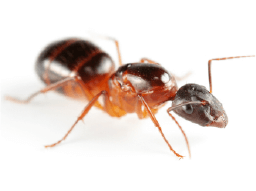
Roberta lies between Fort Valley, Reynolds, and Macon, with Byron and Butler connecting nearby central Georgia communities. Unlike Edison, where enclosed agricultural supplies deserve primary attention, Roberta's roadside businesses and surrounding fruit-growing areas can encounter pest activity linked to exposed organic material during handling and cleanup. Fire ants may also establish colonies near loading pads and maintained roadside grounds, creating hazards for workers who regularly move materials outdoors. Terminix can help identify active nests and assess whether sanitation or site maintenance is likely to reduce recurring insect activity. A Roberta inspection should therefore follow the path of produce, waste, and people across a property, while treating an indoor infestation separately if evidence indicates that pests have become established inside.
Bio-Rational Materials
For Roberta owners, the selection of bio-rational materials should follow identification of the pest and its food or breeding source. A material that may help control one insect will not necessarily address another drawn to discarded fruit. Terminix can review appropriate treatment options while emphasizing removal of damaged produce and standing organic residue. A carefully limited application may support control where warranted, but it should not replace sanitation. Environmental responsibility comes from precise identification, suitable product use, and preventing the conditions that keep attracting pests.
Commercial EcoControl
Commercial EcoControl for Roberta's roadside shops and produce-related operations should begin with examining how perishable materials are received, displayed, and discarded. Under Integrated Pest Management, staff can check waste enclosures, exterior preparation areas, ground-level nesting sites, and openings into food storage rooms. Terminix can help distinguish outdoor foraging insects from an established indoor problem and recommend targeted action for each. Covered disposal, prompt cleanup, and maintenance of loading areas reduce attractive resources. Rechecking these sites after busy handling periods provides a useful measure of whether prevention is succeeding while avoiding broad treatments where no activity has been found.