Pest Control in Glennville, Georgia
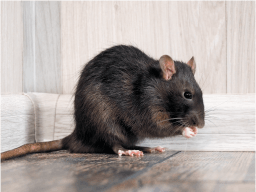
Glennville's agricultural setting makes produce handling and farm-related storage important parts of pest prevention. Onion-growing operations and other farms may use packing areas, storage buildings, and equipment sheds that require attention to sanitation and structural openings. Flies can become troublesome around discarded organic material, although the specific source must be located before control measures are chosen. Rodents may investigate stored packaging or feed where access is available. The presence of insects near a produce facility does not automatically indicate infestation of the crop, making identification and inspection essential. Maintaining clean storage areas, removing waste promptly, and repairing entry gaps can address conditions that allow pests to persist.
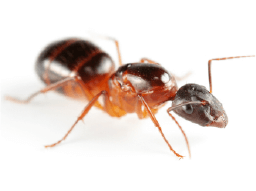
Glennville is near Reidsville, Claxton, Hinesville, and Baxley, with Statesboro and Savannah providing larger regional connections. The city differs from the more urban environment around Hinesville because its properties are closely linked to agricultural land and the movement of produce. Residential lots may border fields or pine stands, while businesses often combine office space with work areas or storage. Fire ants can establish colonies in sunny ground around yards, equipment areas, and disturbed soil. Humid conditions may also affect building moisture where drainage or ventilation is inadequate. Property owners should distinguish outdoor insects associated with farmland from pests that are reproducing inside buildings. Terminix may be consulted when recurring activity requires professional identification and management.
Bio-Rational Materials
Bio-rational pest management in Glennville should account for the presence of produce, packaging, and active workspaces. Selective materials may be appropriate for particular identified pests, but not every product can be used near food or food-contact areas. Prevention includes sanitation, removal of affected organic material, and building exclusion. Terminix customers can ask about available methods and any restrictions relevant to their operations.
Commercial EcoControl
Produce-handling businesses in Glennville need pest prevention that begins with good storage and waste practices. Integrated pest management combines inspection, sanitation, exclusion, and appropriate treatment when necessary. Managers should examine receiving areas, drains, discarded produce, and exterior openings for evidence of activity. Corrective maintenance may reduce recurring fly or rodent concerns without unnecessary broad applications. Terminix can be considered for professional commercial pest management options suited to the facility.