Pest Control in Lyons, Georgia
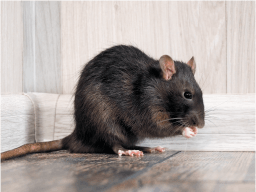
Lyons sits within the Vidalia onion-growing region, where produce handling and storage create particular pest management considerations. Damaged or deteriorating produce may attract fruit flies and other small flies, especially where liquids or decaying residues accumulate around containers and drains. Identifying the insect and its breeding material matters more than treating the nearest visible surface. Produce facilities must distinguish insects associated with incoming goods from those developing around sanitation problems inside the building. Rodents may also exploit openings near receiving areas when food and shelter are accessible, making inventory handling and structural maintenance important parts of prevention.
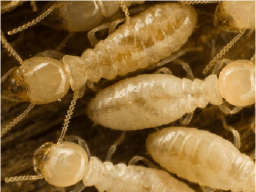
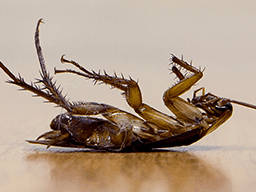
Lyons borders Vidalia and is near Mount Vernon, Reidsville, and Soperton, with Statesboro and Savannah providing larger regional connections. Its agricultural-commercial relationship with Vidalia makes produce handling particularly relevant, although many downtown and residential properties have entirely different pest concerns. Older shops may experience American cockroaches near damp plumbing spaces, while residential foundations can develop subterranean termite activity where susceptible wood and suitable soil conditions coincide. Warm weather may increase outdoor insect activity, but indoor fly infestations depend on accessible breeding materials. For Lyons businesses, identifying whether insects are associated with perishable inventory, waste accumulation, or a separate structural problem is an important first step. Homeowners should instead examine actual building openings, moisture conditions, and evidence of activity rather than assuming agricultural pests are responsible for every sighting.
Bio-Rational Materials
Bio-rational treatment choices should follow identification of the pest and the conditions supporting its development. Some materials affect insect growth or behavior and may offer targeted options, but they cannot replace removal of a breeding source such as decaying organic material. Lyons businesses should consider product restrictions carefully wherever food is handled or stored. Terminix can be asked about suitable treatment approaches and how sanitation or exclusion may reduce the need for unnecessary applications.
Commercial EcoControl
Commercial EcoControl provides a prevention-focused framework for produce-related and other commercial properties in Lyons. Integrated Pest Management emphasizes tracing pest activity to its source, addressing sanitation and storage problems, and selecting treatments based on confirmed needs. Facilities handling perishable goods may require frequent evaluation of waste collection and cleaning procedures, while other businesses may need closer inspection of utility spaces or receiving doors. Terminix can discuss appropriate commercial management options with owners who want to coordinate treatment decisions with daily operating practices.