Pest Control in Lilburn, Georgia
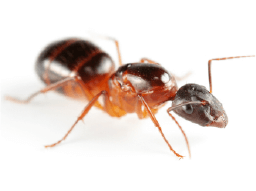
The Yellow River and connected creek corridors contribute to Lilburn's wooded landscape, particularly around parkland and residential areas with mature trees. These surroundings can keep parts of a yard shaded, allowing damp soil and leaf litter to persist after rainfall. Ants may follow protected routes beneath mulch or along foundation edges, particularly where branches and planting beds remain close to exterior surfaces. Mosquitoes can rest in dense vegetation and reproduce in suitable standing water, including neglected containers or drainage features. The river and greenways contribute to the local environment, but their presence alone does not explain every mosquito problem. Examining the property's actual water-holding areas is more useful than assuming all activity originates in nearby natural spaces.
Lilburn's established subdivisions also contain older driveways, patios, and exterior improvements that can develop small gaps over time. Nearby Tucker, Stone Mountain, Norcross, and Lawrenceville share much of the same regional climate, but Lilburn's combination of residential streets and connected greenway landscapes makes vegetation management especially relevant. Insects appearing around windows or beneath siding may be using concealed paths that begin in nearby planting areas. Following a prolonged wet period, property owners should examine drainage outlets and shaded corners for locations that remain damp long after exposed ground dries. Prevention may involve improving drainage, adjusting landscaping, and maintaining exterior seals. Because creekside conditions vary significantly between adjoining yards, inspection findings should determine where treatment is warranted rather than applying the same measures throughout a neighborhood.
Bio-Rational Materials
Lilburn property owners near wooded corridors should consider the relationship between insect activity and conditions that can be changed on their own land. Bio-rational materials may provide selective control for suitable insects, but correct identification and product directions remain essential. Vegetation management and eliminating avoidable standing water can complement treatment without disturbing the surrounding greenway unnecessarily. Lower-impact products still require responsible application and attention to environmental exposure.
Commercial EcoControl
Commercial EcoControl emphasizes prevention and targeted intervention through integrated pest management. Lilburn businesses with landscaped grounds or drainage features can use inspection findings to identify recurring access routes and moisture-related conditions. Restaurants and retail properties also require suitable sanitation and waste management. Terminix may be considered for professional commercial recommendations. Correcting contributing conditions and evaluating results helps reduce unnecessary treatment and supports ongoing pest control.