Special OfferCall Now & Get $50 Off1 Pest Control2 or Quick Guard Mosquito Service3 or Save 10% on a termite plan4
Almost done. Just a few more details to get started.
Find Affordable, Expert Pest Exterminator in Duluth, Georgia
Duluth lies in western Gwinnett County, near Norcross and Johns Creek, within the northeastern Atlanta metropolitan area. Residential neighborhoods extend toward the Chattahoochee River corridor, while downtown businesses and shopping centers occupy more intensively developed properties.
Landscaped yards, wooded drainage areas, and commercial buildings can experience different kinds of insect activity. Our recommended exterminators help residents and property managers assess ant, termite, and mosquito concerns. Terminix offers professional pest control services for those seeking help identifying the source of an infestation and determining suitable next steps.
Terminix keeps your Duluth home safe from intrusive pests
Terminix will prevent common household pests from entering your home, keeping your family safe.
Our services ensure that you have a clean, pest-free home without the worries of finding pests in your morning cereal. Everyone's familiar with the act of spraying, but there is a lot more to our experts' pest control services, including:
At Pest Control Experts, we want to make sure getting top-notch service and a pest-free home is easy for you? Once you give us a call, we can get you started with a free inspection with one of our preferred pest exterminators in Duluth, Georgia. They will create a customized plan to create your home for all pests including termites, roaches, and more.
With our exterminators in Duluth you'll receive
Free Inspection
Expert Technicians
Local Experts
Custom Treatment Plan
Zip Codes We Service In Duluth, GA
30096
30097
30098
The Value of Pest Control in Duluth
Finding the right Duluth pest control provider isn’t always easy - from pricing to scheduling to consistency, there are a lot of concerns that need to be addressed.
With the right service provider, you’ll get the pest-free home you deserve, and with Termini, we’re here to do just that.
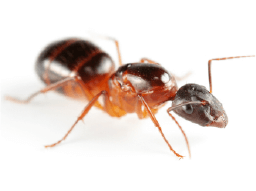
In Duluth's established residential neighborhoods, landscaped slopes and backyard retaining walls can direct water into narrow spaces between houses. Areas around Peachtree Industrial Boulevard and the neighborhoods extending toward the Chattahoochee River include properties with mature trees, irrigation systems, and shaded side yards. Carpenter ants may establish nests in damp landscape timbers or decaying wood, while subterranean termites can exploit moisture where vulnerable framing is close to soil. Homeowners sometimes notice ants near an upstairs window even though the original nesting area is outdoors. Tracing activity along fencing, tree branches, and exterior walls helps determine whether the insects are simply foraging or occupying the structure. A recurring moisture problem behind a retaining wall should be investigated separately from pest evidence inside the house.
Duluth connects with Norcross, Berkeley Lake, Johns Creek, and Suwanee, with Peachtree Corners immediately to the southwest. Unlike Suwanee's extensive public greenway corridor, Duluth's pest concerns frequently involve individual residential properties with closely maintained landscaping alongside busy commercial development. The historic downtown has restaurants and gathering spaces whose waste and delivery arrangements differ from those of nearby detached homes. Pavement ants and other small ants may exploit cracks around storefront entrances, while residential properties require closer examination of drainage and concealed wood conditions. Rainfall can temporarily change outdoor insect movement, but persistent indoor activity should be identified rather than attributed solely to the weather. Inspectors should follow the specific building's construction, access points, and maintenance history to establish the cause of recurring activity.
Bio-Rational Materials
For Duluth properties with landscaped retaining walls or closely planted foundations, pest management should begin by distinguishing structural insects from outdoor colonies. Bio-rational approaches may incorporate selective materials that affect an identified pest's development or behavior. Product labeling and exposure considerations govern their use, and treatment should not substitute for correcting deteriorated wood or drainage problems. Where insects remain outdoors without causing damage or entering occupied areas, extensive applications may be unnecessary. Terminix can discuss available pest control approaches suited to the documented conditions.
Commercial EcoControl
Duluth's downtown restaurants and retail properties require attention to service entrances, exterior seating, waste storage, and adjoining landscaped areas. Commercial EcoControl applies Integrated Pest Management through inspection, sanitation, maintenance, exclusion, and appropriate treatment decisions. A recurring ant problem may require identifying an exterior nesting area, while cockroach activity inside a food-service building may involve entirely different conditions. Commercial managers should coordinate repairs with landlords where shared building features contribute to an infestation. Terminix offers professional commercial pest control services, and businesses can inquire about approaches suited to their facilities.
FAQs About Pest Control in Duluth
A: Coarse wood fragments can result from carpenter ant excavation, woodworking, or deterioration. Look for insect activity and have suspicious material identified rather than assuming the cause from debris alone.
A: Branch contact can provide a route for some ants and other animals, but pruning should consider the tree's health and safety. A qualified arborist can assess large or difficult branches.
A: Some ants travel along tree limbs, cables, or exterior building surfaces and enter through gaps at higher elevations. Follow the trail safely to help identify the actual route.
A: Ask whether species identification could help distinguish multiple entry routes from an established indoor colony. Discuss which available inspection or treatment options fit the evidence rather than assuming each room requires a separate application.