Pest Control in Southeast, New York
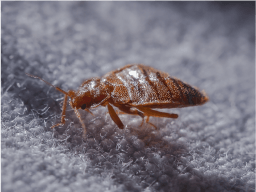
In Southeast, building turnover matters as much as landscape. Brewster sits where rail travel, highway service activity, multifamily housing, and commuter routines all meet, so pest introductions do not come from one direction alone. Across Brewster, Carmel, Patterson, and nearby Danbury, mice and ants still move in from wooded edges and stone-heavy foundations, but roaches and bed bugs become more relevant here because people, packages, furnishings, and short-duration stays circulate constantly. Properties with shared walls, common trash areas, basement storage, or busy service entrances often face a different kind of risk than quieter single-family streets deeper in Putnam County.
Southeast stands out because it compresses commuter infrastructure and residential living into a small, highly active footprint. That is different from De Witt's larger suburban-institutional spread and different from more purely wooded towns nearby. In Southeast, an apartment building, rail-adjacent storefront, and reservoir-side house can each have a different pest source within the same service area. Nearby Carmel, Patterson, and Danbury influence the pattern, but Brewster's role as a movement hub is what changes the work. Good control here usually depends on checking shared spaces, delivery-side access points, waste areas, and lower-level utility rooms with the same care as the exterior perimeter.
Bio-Rational Materials
Bio-rational treatment strategies can be a practical fit in Southeast where pest management often happens in closely occupied residential and commercial spaces. Terminix may use lower-impact materials in a targeted way while putting strong emphasis on inspection, sealing, and identifying how pests are being introduced or sustained. That helps keep treatment precise in buildings where turnover, shared use, and regular daily traffic all influence the problem.
Commercial EcoControl
Commercial properties in Southeast often need prevention-focused pest control that accounts for heavy foot traffic, back-door deliveries, trash handling, and common utility access. Terminix uses integrated pest management methods that center on inspection, sanitation, entry-point reduction, and correction of the conditions that allow pests to move from one area of a building to another. That environmentally conscious approach can help corridor businesses and mixed-use properties maintain better long-term control.