Pest Control in Deerfield, Ohio
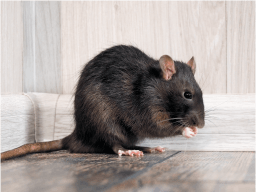
Deerfield's pest activity is tied to rural crossroads and properties that often include more than one structure. Homes may sit near barns, detached garages, brush lines, or open fields, making the route from outside harborage to the house important. Ravenna, Alliance, Atwater, and Sebring are nearby, but Deerfield has more scattered property layouts than the denser neighborhoods closer to Ravenna. Mice can enter through vents, garage gaps, pipe openings, and older foundation seams after sheltering in outbuildings or stored materials.
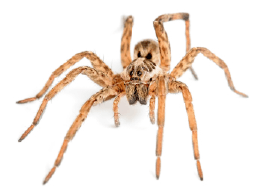
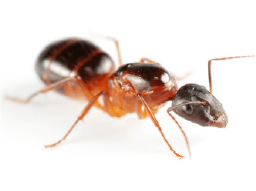
Carpenter ants may be associated with damp porch framing, shaded siding, or wood near poor drainage. Stinging insects and spiders often collect around sheds, stacked materials, exterior lights, and brushy edges. Pest control in Deerfield should trace activity across the property, including storage, vegetation, drainage, doors, and crawl-space access. Our preferred exterminators can help Terminix service identify where pests are staging outside and how they reach occupied rooms, giving the plan a stronger fit for rural Portage County properties.
Bio-Rational Materials
Bio-rational materials support pest management that is targeted, practical, and based on the inspection. Terminix may use lower-impact options when they fit the pest and location. These choices work best alongside exclusion, moisture reduction, sanitation, and removal of shelter, which help reduce the conditions that keep pests active near the building.
Commercial EcoControl
Commercial EcoControl helps businesses reduce pest risk with integrated pest management principles. Terminix reviews access points, storage, waste handling, sanitation, water sources, and structural openings before treatment is placed. Correcting those conditions makes treatment more effective and keeps commercial pest control focused, durable, and environmentally conscious.