
Palmetto Bugs: Identification and Prevention
Key Takeaways
- "Palmetto bug" is a colloquial name rather than a distinct species, referring to large cockroaches — most often American cockroaches (Periplaneta americana) and smokybrown cockroaches (Periplaneta fuliginosa).
- Palmetto bugs are large, shiny, dark brown to mahogany-colored roaches measuring one to two inches long, with fully developed wings that allow them to fly and antennae nearly as long as their bodies.
- Palmetto bugs are most common throughout the warm southern United States, including Florida, Georgia, South Carolina, and Louisiana, where year-round warmth supports continuous outdoor populations.
- Unlike German cockroaches, palmetto bugs breed outdoors in trees, mulch, vegetation, and palmetto palms, then invade structures seasonally and concentrate in attics and upper-level wall voids rather than kitchens.
- Palmetto bugs transmit the same pathogens as other cockroaches, including Salmonella and E. coli, and their waste and shed exoskeletons produce allergens that can aggravate asthma.
- Common signs of palmetto bug activity include large roaches around exterior lighting, flying roaches indoors, droppings and egg cases in attics, and dead roaches near entry points.
- Prevention includes trimming vegetation away from rooflines, screening roof vents and sealing soffits and eaves, reducing exterior lighting, correcting outdoor moisture problems, and installing door sweeps.
- Because palmetto bugs maintain outdoor breeding populations, elimination requires coordinated outdoor perimeter treatments, attic treatments, baiting, and structural exclusion, which typically calls for professional pest control.
Palmetto bugs are large, dark brown roaches common in southern United States, particularly Florida, infesting homes, landscaping, and vegetation while creating alarming invasions through sudden indoor appearances during warm months.
Understanding these colloquial-named cockroaches helps homeowners recognize that palmetto bugs are actually American or smokybrown cockroaches requiring species-specific control strategies, appreciate their outdoor lifestyle and occasional indoor invasions, and implement effective prevention strategies combining exclusion, outdoor habitat management, and professional treatments eliminating populations threatening structures.
What do palmetto bugs look like?
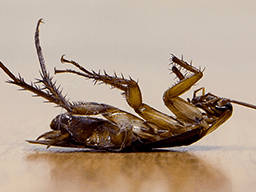
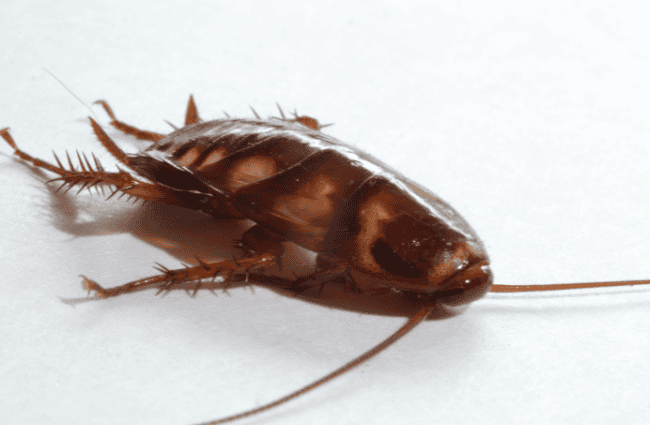
Palmetto bugs are large, dark brown to mahogany-colored roaches measuring 1 to 2 inches in length, characterized by shiny, robust bodies, fully developed wings enabling flight, and antennae nearly as long as their bodies.
The term “palmetto bug” is a colloquial name applying to multiple large cockroach species including American cockroaches (Periplaneta americana) and smokybrown cockroaches (Periplaneta fuliginosa), both appearing similar to casual observers but distinguishable by subtle coloration differences and behavioral patterns.
Palmetto bugs possess the characteristic cockroach body structure—flattened bodies, six jointed legs, long antennae, and segmented abdomens—appearing as oversized versions of smaller cockroach species. Their size makes them far more noticeable than tiny German cockroaches, creating alarm when discovered indoors. The shiny, polished appearance of their exoskeletons reflects light creating a distinctive appearance different from duller-bodied insects.
Unlike smaller cockroaches hiding in cracks, palmetto bugs are large enough to be readily visible when active. Their size creates psychological impact disproportionate to actual threat—discovering a 2-inch roach triggers greater concern than discovering multiple German cockroaches despite similar disease transmission capabilities. The combination of size, sudden flight capability, and tendency to appear in living spaces during invasions creates significant alarm among residents encountering these large cockroaches.
The lifecycle of a palmetto bug
Palmetto bugs undergo incomplete metamorphosis progressing through egg, nymphal, and adult stages, with development requiring 6-12 months from egg to adult depending on temperature and food availability, enabling multiple overlapping generations annually in warm southern climates.
Females produce distinctive dark brown egg cases (oothecae) measuring approximately 3/8 inch long, containing 12-16 eggs. Unlike German cockroaches carrying egg cases internally, palmetto bug females attach or drop oothecae in protected outdoor locations or occasionally in protected indoor areas.
Eggs hatch after 6-8 weeks depending on temperature and humidity conditions. Tiny nymphs emerge from oothecae resembling miniature adults but lacking wings. Nymphs develop through approximately 13 molts over 6-12 months, gradually increasing in size, darkening in coloration, and developing visible wing pads. Late-stage nymphs approach adult size but remain wingless until final molt producing fully-developed flight-capable adults.
Adult palmetto bugs live 1-2 years depending on conditions, with females producing 10-15 egg cases during lifespans. Males compete for mating opportunities with females. The combination of long developmental periods and extended adult lifespans creates stable populations that persist indefinitely in suitable outdoor habitats and structures providing winter refuge.
In warm southern regions supporting year-round outdoor survival, palmetto bugs maintain continuous populations with overlapping generations. However, in transitional climates, winter population crashes reduce outdoor populations temporarily before spring expansion and resumption of reproduction.
Are palmetto bugs cockroaches?
“Palmetto bug” is a colloquial name for large cockroaches, specifically American cockroaches and smokybrown cockroaches, not a separate insect species, creating confusion about actual pest identity.
The term originated in southeastern United States, particularly Florida, where these large roaches are common in palmettos and other vegetation, earning the vernacular name. However, palmetto bugs are true cockroaches requiring the same control approaches as other cockroach species.
The confusion between common names and actual pest identity creates problems with pest control communication. Property owners calling pest control reporting “palmetto bugs” need to understand they’re actually reporting American or smokybrown cockroach infestations requiring specific management strategies. Pest control professionals need accurate identification confirming which large cockroach species is involved.
American cockroaches and smokybrown cockroaches differ from German cockroaches in size, biology, and habitat preferences—American roaches are significantly larger than German cockroaches and prefer outdoor habitats infesting structures secondarily. Smokybrown roaches are equally large, even more heat-loving than American roaches, and establish aerial colonies in attics and trees. Understanding actual species identity guides appropriate control methods addressing each species’ specific weaknesses.
The use of “palmetto bug” terminology sometimes enables denial about actual cockroach infestations—some people believe palmetto bugs are different from cockroaches and less serious. However, palmetto bugs transmit identical diseases, create equivalent health threats, and require comparable control efforts as other cockroach species regardless of colloquial naming.
Where are you most likely to find palmetto bugs?
Palmetto bugs occur throughout the warm southern United States including Florida, Georgia, South Carolina, Louisiana, and other subtropical regions, inhabiting outdoor environments including trees, vegetation, mulch, and structures near food and water sources.
They’re native to southern regions with year-round warmth supporting outdoor populations in climates where indoor heating is unnecessary for winter survival. Northern regions rarely support established palmetto bug populations due to cold sensitivity.
These cockroaches thrive in outdoor environments including palmetto palms (where they earned their common name), oak trees, dense vegetation, mulch beds, landscape materials, and protected outdoor spaces. They readily establish populations in tree holes, beneath bark, in vegetation, and other outdoor harborage. However, they readily invade structures seeking shelter, particularly during hot, dry outdoor periods or when outdoor food sources decline.
Properties adjacent to wooded areas, with dense landscaping, or near natural vegetation support large palmetto bug populations. Urban and suburban areas throughout the Southeast support established populations despite development. Buildings providing indoor heating, food sources, and moisture become attractive invasion targets when outdoor conditions are unfavorable.
Within structures, palmetto bugs concentrate in attics, upper-level wall voids, and areas near heating systems or lights attracting flying roaches. They’re less concentrated in kitchens like German cockroaches, instead distributing throughout structures seeking protected harborage. Their flight capability enables ready movement throughout buildings accessing areas other crawling cockroach species cannot easily reach.
Are palmetto bugs dangerous?
Palmetto bugs are dangerous disease vectors transmitting bacteria including Salmonella, E. coli, and various pathogens through contamination of food surfaces and living areas with fecal material and body contact.
While outdoor habitat exposure gives them diverse bacterial loads, disease transmission risks remain comparable to other large cockroach species. Their size and outdoor habitat don’t reduce disease transmission effectiveness.
Palmetto bugs trigger allergies and asthma through accumulated allergens from waste, shed exoskeletons, and body parts. Heavy indoor populations create significant allergenic dust affecting respiratory health particularly in sensitive individuals. The combination of large body size and numerous populations creates substantial allergen production during infestations.
The most serious concern is psychological impact—discovering 2-inch flying roaches indoors creates disproportionate alarm compared to smaller cockroach species. The sudden appearance of large roaches flying unexpectedly creates emotional distress and safety concerns. However, the actual health threat is comparable to other cockroach infestations despite the dramatic appearance.
Palmetto bugs establish outdoor populations continuously invading structures seasonally or during population peaks. Complete elimination requires addressing both outdoor populations reducing invasion pressure and sealing structures preventing access. Unlike German cockroaches infesting exclusively indoors, palmetto bug management must consider outdoor ecology and habitat modification alongside indoor control.
Signs you might have a palmetto bug infestation
Multiple indicators help identify palmetto bug problems before populations become established:
- Visible large roaches: Finding 1-2 inch dark brown roaches indoors or around outdoor lighting indicates palmetto bug presence.
- Roaches near lights: Palmetto bugs are strongly attracted to outdoor lighting, appearing in large numbers around porch lights and exterior illumination.
- Flying roaches indoors: Discovering large flying roaches in living spaces indicates successful indoor invasion requiring assessment of entry points.
- Roaches in attics: Finding palmetto bugs in attics and upper-level areas indicates populations seeking protected harborage from outdoor habitat.
- Cockroach droppings: Large dark droppings accumulating in attics or protected areas indicate established populations.
- Egg cases in protected areas: Brown capsule-shaped egg cases in attics or outdoor areas indicate recent egg deposition and upcoming hatching.
- Dead roaches: Finding deceased large cockroaches indoors or around outdoor lighting indicates invasion pressure from outdoor populations.
How to prevent a palmetto bug infestation
Preventing palmetto bug invasions requires outdoor habitat management and structural exclusion:
- Manage outdoor vegetation: Trim tree branches away from rooflines, remove dead trees and stumps, clear dense vegetation adjacent to structures reducing outdoor palmetto bug populations.
- Seal structural entry points: Screen roof vents, seal gaps around soffits and eaves, caulk wall penetrations, repair damaged screens preventing roach access to attics and upper-level areas.
- Reduce outdoor lighting: Minimize exterior lighting, use yellow “bug lights” less attractive to insects, move lights away from entry points reducing roach attraction to structures.
- Eliminate moisture sources: Fix outdoor faucets, improve drainage, reduce irrigation frequency maintaining dry conditions discouraging cockroach establishment near foundations.
- Install door sweeps: Equip doors with sweeps eliminating gaps allowing large roaches to enter when doors open.
How to get rid of a palmetto bug infestation
Eliminating palmetto bug populations requires addressing both indoor invaders and outdoor populations:
- Apply outdoor perimeter treatments: Treat trees, vegetation, mulch, and areas where palmetto bugs harbor with appropriate insecticides creating barriers reducing populations invading structures.
- Seal attics and upper-level areas: Apply treatments to attics and upper-level wall voids targeting roaches seeking protected harborage, combining with complete structural exclusion.
- Deploy indoor baits: Place cockroach baits in attics and protected areas allowing captured roaches to distribute toxin through populations.
- Install light traps indoors: Deploy yellow light traps in kitchens and living areas capturing attracted roaches, though this supplements rather than replaces complete control.
- Contact professional pest control: Seek expert assistance for palmetto bug infestations—professionals provide coordinated outdoor and indoor treatments addressing both outdoor breeding populations and indoor invaders with expertise exceeding typical homeowner capabilities.
Conclusion
When dealing with palmetto bug infestations throughout your property and need expert assessment confirming infestation severity and appropriate treatment pricing, contact our partners today for a free quote and comprehensive evaluation.
Our pest control experts will assess the extent of palmetto bug infestation indicated by large dark roaches near outdoor lighting, flying insects indoors, attic populations, and outdoor populations.
FAQs about palmetto bugs
Here are some commonly-asked questions about palmetto bugs by homeowners.
A: Palmetto bugs are not beetles—they’re cockroaches, specifically American cockroaches or smokybrown cockroaches. “Palmetto bug” is a colloquial name used in the southeastern United States where these large roaches inhabit palmetto palms and other vegetation. They’re true cockroaches requiring identical pest management and disease transmission risks as other cockroach species despite the misleading common name.
A: Palmetto bugs readily infest structures entering from outdoor populations, particularly establishing populations in attics, upper-level wall voids, and protected areas where they seek shelter from outdoor weather extremes. Unlike German cockroaches infesting exclusively indoors, palmetto bugs maintain outdoor breeding populations while regularly invading buildings. Complete elimination requires addressing both outdoor populations and indoor invaders simultaneously.
A: Florida has the highest palmetto bug populations in the United States, where the term “palmetto bug” originated from cockroaches infesting palmetto palms throughout the state.
The year-round warm climate supports continuous outdoor populations and frequent indoor invasions. Other southeastern states including Georgia, South Carolina, Louisiana, and coastal regions support substantial populations, but Florida’s subtropical climate creates ideal conditions supporting the largest palmetto bug populations nationwide.