
The Lifecycle of a Mosquito Explained: Stages and Management Tips
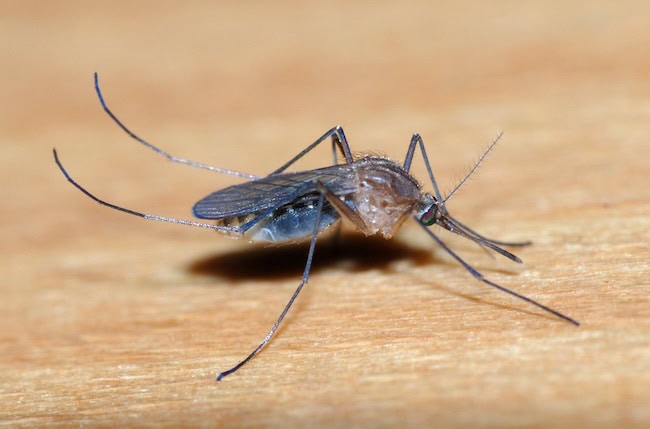
When you spot a mosquito biting or buzzing nearby, your first instinct is usually to grab the spray and swat it away. But no matter how many you get rid of, more always seem to show up—one after another, day after day. Mosquitoes aren’t just appearing out of nowhere. Much like butterflies, they go through a process called complete metamorphosis, moving through four stages.
By learning about the lifecycle of a mosquito, you’ll understand why they spread so quickly, and also discover the best ways to interrupt their growth before they multiply and turn into swarms that won’t leave you alone.
The 4 Stages of a Mosquito’s Life
Mosquitoes don’t take long to grow up, and each stage explains why they’re so hard to control. Here’s a quick summary of how long each stage lasts and what happens during that time:
| Stage | Typical Duration | What Happens |
| Egg | 1 to 3 days (some can survive weeks to months) | Laid in clusters or separately; need water to hatch |
| Larva (“Wriggler”) | 4 to 7 days | Aquatic, feeds on algae and microbes, sheds 4 times |
| Pupa (“Tumbler”) | 1 to 3 days | Aquatic, does not feed, transforms into adult |
| Adult | 10 days to several weeks | Mates quickly; males feed on nectar, females need blood for eggs |
Now let’s look closer at what happens during each of these 4 stages.
Stage 1: Egg
Female mosquitoes usually lay their eggs a day or two after taking a blood meal. Depending on the species, a single female can lay anywhere from 50 to over 200 eggs at once.
Some species of mosquitoes, like Culex, leave their eggs in floating clusters called “rafts,” while others, such as Aedes aegypti (the mosquito known for spreading dengue and Zika), place their eggs one by one on damp surfaces that may later flood with rainwater.
Most mosquito eggs hatch within 24 to 72 hours if the conditions are warm and wet. But some species have an impressive survival trick: their eggs can stay dormant for weeks or even months, waiting for the right amount of water before hatching. This is why even containers that dry out can suddenly come alive with wriggling larvae after a heavy rain.
Stage 2: Larva (The “Wriggler”)
Once the egg hatches, a mosquito enters the larval stage. These tiny creatures are often called “wrigglers” because of the way they squirm back and forth in water. During this stage, they live entirely underwater but need air to breathe, so they come up to the surface frequently. Many larvae use a little breathing tube, almost like a snorkel, to take in oxygen.
Larvae feed almost nonstop. They eat microorganisms, algae, and even particles of decaying leaves or soil. As they grow, they shed their skin 4 times, each stage called an “instar.” The larval stage usually lasts 4 to 7 days, but in cooler water it can take longer. The bigger they get, the more noticeable they are, often gathering in groups near the water’s edge.
Stage 3: Pupa (The “Tumbler”)
After going through its last shed of skin, the mosquito enters the pupal stage. Pupae are sometimes called “tumblers” because if the water is disturbed, they flip and tumble in quick bursts of movement.
Unlike larvae, pupae don’t eat at all. Instead, this is the stage where the mosquito’s body transforms. Inside the pupal case, the larva’s tissues break down and reorganize into the parts of an adult mosquito—wings, legs, proboscis, and compound eyes.
This stage is relatively short, lasting only 1 to 3 days in warm weather. When the transformation is complete, the adult mosquito pushes its way out of the pupal case and rests on the surface of the water.
Stage 4: Adult
The adult stage is the one most people know—the flying mosquito. When an adult first emerges, its wings are soft and its body is pale. It takes a few hours for the exoskeleton to harden and for the wings to dry enough for flight.
Within 1 to 2 days, adult mosquitoes are ready to mate. Males usually live for about a week, feeding only on nectar and plant juices. Females also drink nectar, but they need blood meals to produce eggs. After feeding on blood, a female develops a new batch of eggs and begins the cycle again.
Depending on the species and environmental conditions, adult mosquitoes can live anywhere from 10 days to several weeks, with some species surviving for over a month if the weather is mild and predators are scarce.
5 Ways to Manage Mosquito Populations Around Your Home
The best way to manage mosquitoes is to stop them before they reach the biting adult stage. Here are some ways you can reduce their presence around your home.
1. Remove or Manage Mosquito Breeding Sites
Mosquitoes can only grow if they have water. They lay eggs in still water, and their young develop there until they turn into adults. To prevent this, inspect your yard for any items that can collect water. This includes birdbaths, buckets, clogged gutters, plant saucers, old tires, and even tree holes. Empty or clean these often so water doesn’t sit long enough for mosquitoes to breed.
If you can’t remove an item, like a rain barrel or trough, cover it tightly with fine mesh so mosquitoes can’t get inside. For tree holes, you can fill them with expanding foam to prevent water from collecting. Also, look for low spots in your yard where rainwater pools, and fill or regrade them to improve drainage.
2. Use Larvicides in Water You Can’t Remove
Sometimes it’s impossible to get rid of all standing water, such as ponds, ditches, or water used for animals. In these cases, larvicides, treatments that kill mosquito larvae before they become adults, can help reduce their numbers.
One common product is called Bacillus thuringiensis israelensis (Bti), often sold as “mosquito dunks” or granules at garden stores. It affects mosquito larvae but does not harm fish, birds, or most other insects. Always follow label directions carefully to make sure it works as intended.
3. Block Mosquitoes from Entering Your Home
Even with outdoor control, some mosquitoes may try to get indoors. To reduce this:
- Repair or install screens on windows and doors.
- Seal cracks or gaps around doors, windows, and pipes.
- Use air conditioning or keep doors shut when possible.
Inside your home, mosquitoes like dark and damp spaces. Clear clutter, empty standing water from plant saucers or vases, and if needed, use indoor sprays or foggers according to directions.
4. Use Smart Tools and Traps
Beyond the classic methods, newer or more targeted tools can help reduce mosquito numbers around your home:
- Ovitraps or lethal ovitraps: These traps mimic breeding sites. Female mosquitoes lay eggs in them, and the trap kills either the larvae or the adult mosquito when it enters. They’re particularly useful for container-breeding species like Aedes.
- Attractive toxic sugar baits (ATSBs): Mosquitoes feed on sugar for energy. ATSBs combine sugar with a small amount of toxin to lure them in and kill them. Studies show promise in reducing mosquito populations outdoors.
- Ovillantas: A low-cost trap design that attracts mosquitoes and collects eggs or larvae. In field tests, multiple ovillantas placed near each other collected more eggs than standard traps.
5. Treat Adult Mosquitoes When Necessary
If mosquito numbers are especially high or disease is a concern, you may need to control adults directly. Here are some common approaches.
- Barrier sprays: Spraying shady areas, bushes, or walls where mosquitoes rest. The spray can kill or repel adults for days afterward.
- Fogging: Spraying a fine mist in outdoor spaces, usually at dusk or early evening when mosquitoes are active. Fogging provides quick relief, but the effect fades within hours or days.
Use insecticides carefully. Avoid spraying flowers that pollinators use, and always follow proper instructions on how to use them.
When to Call a Pest Control Professional
Most of the time, you can manage mosquitoes at home by dumping standing water, using larvicides, and applying repellent. But there are situations where do-it-yourself steps just aren’t enough.
If you keep seeing large swarms of mosquitoes, if they keep biting inside your home, or if you suspect there are hidden breeding sites you can’t reach, like clogged drains, underground puddles, or thick vegetation, it may be time to call in a pest control professional.
Professionals have the training and tools to find breeding spots that homeowners often miss. They can use targeted treatments that don’t just kill flying adults but also break the mosquito life cycle by reaching larvae and pupae in hard-to-access areas.
Frequently Asked Questions About the Lifecycle of Mosquitoes
Here are some commonly-asked questions from homeowners about mosquitoes and how long they live.
How many eggs can a single female mosquito lay in her lifetime?
A single female mosquito can lay hundreds of eggs over her lifetime. Most species lay them in batches of 50 to 200 at a time, and a female can produce several batches if she continues to feed on blood. In some cases, that adds up to thousands of eggs before she dies.
Do mosquitoes need blood to survive?
No, mosquitoes don’t need blood to survive — only females need it to produce eggs. Both males and females live mainly on nectar and plant juices, which give them the energy to fly and survive.
Can eggs survive without water?
Yes, some mosquito eggs can survive for weeks or even months without water. Species like Aedes aegypti lay eggs on damp surfaces that may dry out. These eggs stay dormant until they’re flooded with water, which triggers them to hatch into larvae.
Protect Your Home and Family from Mosquitoes
If mosquitoes continue to bother you even after taking steps like removing standing water or using repellents, it may be time to get extra help. Pest Control Experts connects you with local pest control professionals who can identify problem areas and apply treatments in places that are reasonably accessible, both inside and outside your home.
Make your home more comfortable for you and your family. Request a complimentary quote today and enjoy your evenings with your family without the constant swatting and scratching.