
Top 6 Signs You Have a Pest Problem (and What to Do About It)
Key Takeaways
- Common signs of a pest problem include droppings, unusual odors, scratching sounds, visible pests, nests, gnaw marks, shed skins, and unexplained changes in pet behavior.
- Droppings, grease marks, and persistent musty or ammonia-like odors can help identify hidden rodent or cockroach activity before pests are seen.
- Scratching or scurrying inside walls, ceilings, or attics often suggests rodents or wildlife have already found a way into the structure.
- Gnaw marks, damaged wiring, shredded nesting material, shed insect skins, or discarded termite wings can indicate an established infestation that may require more than routine cleaning.
- Homeowners can reduce pest activity by removing food and water sources, sealing entry points, cleaning high-risk areas, and eliminating clutter and potential hiding places.
- If pest signs continue, structural damage is present, or the infestation involves rodents, cockroaches, termites, or stinging insects, a professional inspection can help identify the species, locate hidden activity, and address the underlying cause.
No homeowner wants to share their living space with uninvited guests—especially the six-legged kind. But pests rarely announce themselves. Long before you see a cockroach dash across the kitchen counter or a mouse dart behind the stove, an infestation is leaving behind subtle evidence that most people walk right past.
Catching these indicators early is the difference between a quick fix and an expensive remediation project. Here are six signs of a pest problem every homeowner should know, along with what to do when you spot them.
Sign #1: Droppings, Smears, and Strange Odors
Pests leave physical evidence of their daily routines. Because most home-invading species are nocturnal, their waste and scent markers are often the first indication you’ll get — well before you ever see the pest itself.
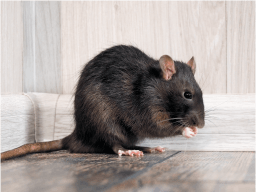
Droppings are the most reliable identifier, and their size and shape tell you exactly what you’re dealing with. Mouse droppings resemble small, dark grains of rice—about 1/4 inch long with pointed ends—and tend to show up in pantry corners, under sinks, and along baseboards. Rat droppings are noticeably larger, roughly the size of an olive pit with blunt, rounded ends.
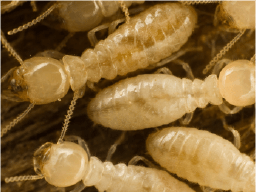
Cockroach droppings look different entirely: small species leave dark specks resembling coarse black pepper or coffee grounds, often concentrated around door hinges, cabinet corners, and behind appliances. Termites, depending on the species, leave behind tiny piles of what looks like fine sawdust or small wood-colored pellets near baseboards and window sills.
Smears and odors round out the picture. As rodents travel along walls, the oil and dirt in their fur leaves dark, greasy rub marks on baseboards and drywall—the more established the route, the darker the mark. Active infestations also produce distinct smells.
A mouse colony gives off a sharp, ammonia-like urine odor that intensifies in enclosed spaces like cabinets and closets. A cockroach infestation creates an oily, musty smell that lingers even after cleaning. If something smells off and you can’t trace it to an obvious source, pests should be on your radar.
Sign #2: Scratching and Scurrying Sounds
Your house shouldn’t make animal noises. Faint scratching, scurrying, or squeaking sounds coming from inside wall voids, ceilings, or the attic after dark are a classic indicator of rodent or wildlife activity.
Mice tend to produce light, rapid scratching—often described as something lightly running across a surface. Rats are heavier and more deliberate, and their movements inside walls or ductwork can sound surprisingly loud. Squirrels and raccoons in the attic produce even more noticeable thumping and shuffling, usually concentrated in the early morning or at dusk when they’re entering or leaving.
The timing matters too. If the sounds are exclusively at night, you’re likely dealing with mice, rats, or nocturnal wildlife. If you’re hearing activity during the day—especially in the attic—squirrels are a strong possibility. Either way, sounds inside the structure mean something has already found a way in.
Sign #3: Physical Sightings, Nests, and Entry Points
Seeing a single pest inside your home is rarely an isolated event—it’s usually the visible tip of a much larger problem. For every cockroach or mouse you spot during daylight hours, dozens more are typically hiding nearby. Daytime sightings are especially telling because most household pests are nocturnal. If they’re out in the open when they’d normally be hiding, overcrowding or resource pressure is pushing them into view.
Beyond live sightings, look for nesting evidence. Rodents build nests from shredded paper, insulation, fabric, and other soft materials, typically tucked inside drawers, behind appliances, or in undisturbed storage areas. Finding a nest—even an old one—tells you the space has already been identified as a viable habitat.
Entry points close the loop. Inspect exterior walls for gnawed holes around utility pipe penetrations, gaps beneath doors, and cracks along the foundation. If you can fit a pencil into a gap, a mouse can fit through it. These pathways confirm that pests aren’t just present—they have an established route in and out.
Sign #4: Gnaw Marks and Structural Damage
Rodents chew constantly—not out of hunger, but out of biological necessity. Their incisors grow continuously throughout their lives, and gnawing is how they keep them worn down. That means teeth marks on wooden moldings, plastic food containers, cereal boxes, and even electrical wiring aren’t random damage—they’re a sign of ongoing activity.
Fresh gnaw marks are lighter in color and tend to have clean, sharp edges. Older ones darken over time and look more weathered. Comparing the two can give you a rough sense of whether the activity is current or historical.
The structural risk escalates quickly. Rodents chewing through electrical wiring are a documented cause of house fires. Damage to PVC plumbing can create slow leaks inside walls. And gnawed insulation in the attic compromises energy efficiency and creates nesting material at the same time. If you’re finding chewed materials in multiple locations, the infestation has likely been active longer than you think.
Sign #5: Shed Skins and Body Parts
Insects leave behind physical remnants as they grow, and finding these in your home is a strong indicator of an active or recent infestation—even if you never see a live pest.
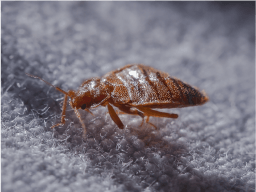
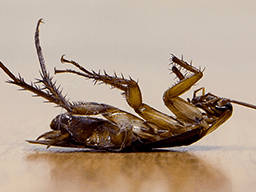
Cockroaches molt multiple times as they mature, shedding translucent, hollow exoskeletons that accumulate in the same places they harbor: behind appliances, inside cabinet crevices, and around plumbing access panels. Bed bugs leave similar castings—tiny, amber-colored shells found along mattress seams, behind headboards, and inside the folds of box springs.
Termite swarms produce another telltale sign: piles of discarded wings near windowsills or light fixtures. Reproductive termites shed their wings after landing and pairing off, so a cluster of translucent wings—all roughly the same size—is a strong indication that a colony is nearby and actively expanding.
What makes this category of evidence especially useful is that shed skins don’t disappear on their own. They accumulate. A few castings might indicate a small, recent population. A heavy accumulation in a concentrated area suggests the pest has been established there for a while.
Sign #6: Unusual Pet Behavior
Your dog or cat may detect a pest problem long before you do. Animals have sharper senses of hearing and smell, and changes in their behavior—especially fixation on a specific spot—are worth paying attention to.
A dog that suddenly won’t stop sniffing or pawing at a section of baseboard, a kitchen cabinet, or a spot on the wall is often reacting to something living behind or beneath it. Cats staring intently at a ceiling corner or crouching motionless near an appliance gap are exhibiting hunting behavior—they’ve detected movement or scent that you can’t.
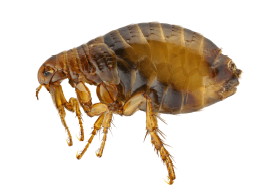
Excessive scratching or restlessness, particularly at night, can also point to bed bugs or fleas. If your pet’s behavior shifts in ways that don’t have an obvious explanation—especially when it’s focused on a specific area of the house—treat it as a lead worth investigating.
Immediate Steps Homeowners Can Take
If you’re spotting any of these signs, acting quickly can keep a small issue from becoming an expensive one.
Cut off food and water. Store all dry pantry goods, pet food, and countertop produce in airtight glass or plastic containers. Fix dripping faucets, wipe down wet sinks overnight, and empty kitchen trash daily into sealed exterior bins. Pests need surprisingly little to sustain a colony — eliminating easy access to food and moisture forces them to range further and exposes them to control measures.
Seal entry points. Inspect the exterior of your home for gaps around foundation walls, doors, window frames, utility pipes, vents, and HVAC units. Steel wool packed into small gaps and sealed with caulk is an effective, low-cost barrier for rodents. Larger openings around pipes and vents may need hardware cloth or expanding foam.
Deep clean high-risk zones. Pull out the refrigerator, stove, and dishwasher to vacuum up accumulated food debris, grease, and moisture. Clean out under-sink cabinets and discard cluttered stacks of cardboard boxes—roaches and rodents treat them as prime harborage.
The Ultrasonic Plug-In Scam
Before you head to the hardware store or open a shopping app, let’s address one of the biggest consumer traps in pest control: ultrasonic pest repellers.
These devices plug into wall outlets and promise to drive away mice, rats, and insects using high-frequency sound waves. The marketing is slick. Science isn’t.
Multiple independent studies and the Federal Trade Commission (FTC) have repeatedly shown that pests quickly habituate to ultrasonic frequencies — if they react to them at all. More importantly, ultrasound waves can’t penetrate solid objects like drywall, cabinet doors, or couch cushions, which is exactly where pests live and travel. You’re essentially plugging in a nightlight with ambition. Save your money.
When to Call a Professional
Knowing your limits is part of good pest management. Setting a couple of snap traps for a lone field mouse is reasonable. But there are situations where DIY efforts aren’t going to cut it.
The problem persists. If you’re still finding droppings, hearing sounds, or seeing activity after a week of consistent intervention, something is sustaining the population that you haven’t found yet.
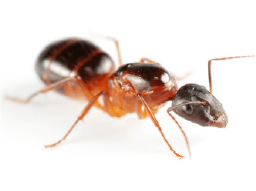
Health or safety risks are involved. Aggressive stinging insects like wasps and yellowjackets, wood-destroying organisms like termites and carpenter ants, and disease vectors like rodents and cockroaches all warrant professional-grade control.
Structural damage is present. Chewed wiring, compromised insulation, and wood damage aren’t just pest problems—they’re building integrity problems. These require expert evaluation alongside treatment.
Pest control experts don’t just apply products. They perform a comprehensive inspection to identify the exact species, locate hidden nesting sites, determine how pests are getting in, and build a customized prevention plan that addresses the root cause—not just the symptoms.