
Why Does Standing Water Attract Pests in Your Home?
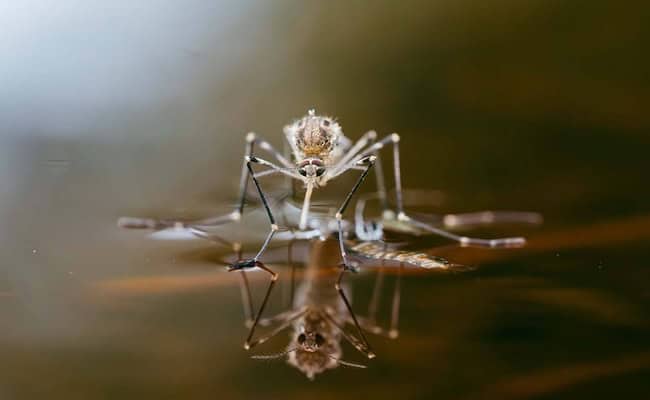
You’ve probably noticed water sitting in a flowerpot saucer or a puddle that lingers in the yard after rain. It may not seem like much, but what is standing water really doing for pests? That still pool can invite some of the most common pest problems into your yard and even inside your house.
Mosquitoes lay their eggs in it, roaches and rodents use it as a drinking source, and damp conditions can even invite termites to move closer to your home. Once they find the water they need, they often find their way indoors too. That means more bites, more mess, and more stress for your family.
In this article, you’ll learn what standing water is, what causes it, the dangers it brings, which pests it attracts, and the easy steps you can take to prevent it.
What Is Standing Water?
Standing water is any water that doesn’t move or flow. It just sits in place until it soaks into the ground, dries up, or gets drained away. Because it stays still, it can collect dirt, grow algae, and quickly become a spot where pests gather.
You can often find standing water in places like:
- Puddles that form after rain
- Clogged gutters or downspouts
- Plant saucers, birdbaths, or buckets left outside
- Low spots in the yard where water doesn’t drain
- Crawlspaces, basements, or garages with leaks
- Drip pans under appliances or heating, ventilation, and air conditioning (HVAC) systems
What Causes Standing Water?
Standing water usually shows up when water has nowhere to go. Common causes include poor drainage in the yard, soil that doesn’t absorb water well, and hard surfaces like driveways or patios that block the natural flow.
Clogged gutters and drains force water to spill over and pool near the house. Leaks from pipes, irrigation, or outdoor spouts also create wet spots. In some areas, a high water table or heavy rainfall can keep the ground saturated, leaving water sitting for days.
Which Pests Thrive in Standing Water?
Standing water may not look like much, but to many pests it’s a perfect home or watering hole. Some insects use it to breed, others drink from it to survive, and certain pests are drawn to the damp conditions it creates.
Mosquitoes
Mosquitoes are the pests most commonly associated with standing water. Female mosquitoes lay their eggs right on or just above standing water surfaces, even in water as small as inside a bottle cap, since their eggs need water to hatch.
After hatching, mosquito larvae (often called “wigglers”) live in the water, feeding on tiny bits of organic matter and microorganisms. That stage lasts about 4 to 14 days, depending on the temperature.
Then they shift into a pupal stage, which lasts 1 to 4 days, and this stage also occurs in water. Finally, the adult mosquito emerges from the pupa, rests on the water surface to dry, and then flies away.
In many mosquito species, such as Aedes aegypti and Aedes albopictus, a full cycle from egg to biting adult can take just 7 to 10 days under warm conditions. Due to this rapid speed, even brief periods of water accumulation can lead to mosquito outbreaks.
Also, mosquito eggs can survive dry conditions for months, meaning a container that dries out can still become a breeding site again when water returns.
Cockroaches
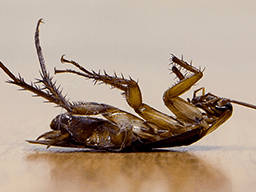
Cockroaches need water more than many other conditions. They can survive for weeks without food, but without moisture, they die faster. Even a small leak under a sink or a damp basement wall gives them the conditions they need to thrive.
Many cockroaches live in or near drains, sewers, and plumbing systems, because these environments provide both darkness and moisture. When a floor drain runs dry, roaches can enter buildings through drain pipes.
Standing water helps cockroaches by providing them with a source of moisture, and it also maintains humidity, allowing them to hide in damp areas without drying out. It also supports mold or organic buildup, which they can feed on.
Rodents
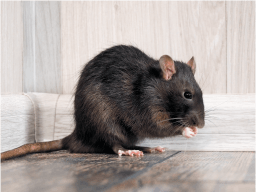
Rats and mice require a reliable water source. They won’t stray too far when they have consistent hydration nearby. Small leaks, dripping hoses, or puddles near structures can draw them close.
Plumbing defects or gaps in sewer lines can give rodents access to water within or under buildings. Once they find a water source, food and shelter become the next draw, and an infestation may grow.
Rodents also benefit from the moisture. The presence of damp soil eases their tunneling, and wet areas may soften the materials they typically chew, such as wood, plastic, drywall, and even electrical wiring. When these materials are softened by water or humidity, they’re easier for rodents to gnaw through, which can lead to greater damage inside and around the home.
Termites
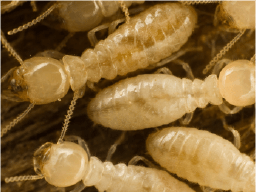
Termites need moisture to survive and thrive. Some species, especially dampwood termites, prefer wood already soaked or decaying. When standing water accumulates near foundations, crawlspaces, or inside basements, it increases humidity levels and compromises the stability of wood. The presence of water softens it, making it easier for termites to chew through.
If water repeatedly soaks the soil near foundation walls or seeps into crawlspaces, it places the wood and framing in direct contact with elevated moisture, increasing the risk of termite infestation.
Gnats and Drain Flies
Some pests breed indoors and rely on moist environments connected to standing water. Drain flies, also known as sewage flies or moth flies, lay eggs in the slimy film that forms inside drains, pipes, or any other area where organic matter and moisture combine. Their larvae also develop and grow in that film.
Fungus gnats commonly breed in houseplant soils that remain wet. When soil stays moist and contains decaying organic matter, it is ideal for gnat larvae. Even drip pans, sink traps, or condensation collectors under HVAC systems can foster small insect populations.
The Dangers of Standing Water to Homes and Families
Now that you know where standing water appears, it’s important to understand how something as simple as a puddle or clogged gutter can create real problems for your home and family.
Mosquitoes Spread Dengue and Other Diseases
A single bottle cap of water can produce hundreds of mosquitoes in less than 10 days. These mosquitoes bite repeatedly and can carry dengue, Zika, and West Nile virus. A single puddle in your yard can turn into a health threat for your entire family.
Roaches Contaminate Kitchens
Leaky pipes or wet basements give cockroaches the water they need to survive. Once inside, they crawl across dishes, counters, and stored food. Roaches leave behind bacteria, droppings, and shed skin that can trigger asthma and spread germs in your kitchen.
Rodents Damage and Spread Filth
Rats and mice stay close to water. A dripping spout or clogged gutter can bring them right up to your house. Once inside, they chew wires, shred insulation, and contaminate floors with urine and droppings that carry disease.
Termites Weaken Wood
Moisture near your foundation or crawlspace softens wood and invites termites. They tunnel silently through beams, floors, and walls. By the time you notice sagging floors or warped doors, the structure of your home may already be seriously damaged.
Cause Stress and Discomfort at Home
Beyond bites, germs, or damage, standing water often changes the way a home feels. Families may avoid sitting on the porch because of mosquitoes or spend extra time cleaning drains and wiping up leaks. This adds to daily stress and takes away from enjoying time at home.
Easy Ways to Get Rid of Standing Water
Standing water is one of the easiest pest problems to control if you act quickly. Here’s exactly what to look for and what to do:
| Where Water Collects | What You Can Do | Why It Works |
| Flowerpot saucers, buckets, toys | Dump the water every 7 days, scrub with soap, and store upside down | Mosquito eggs hatch in as little as a week; scrubbing removes eggs stuck to surfaces |
| Gutters and downspouts | Clean out leaves twice a month during the rainy season; make sure downspouts extend at least 3 feet from the foundation | Prevents water from pooling near the house and stops gutters from becoming mosquito sites |
| Low spots in the yard | Fill holes with soil or gravel; regrade so the ground slopes away from the house at 5% (6 inches for every 10 feet) | Eliminates puddles that stay for days after rain |
| Rain barrels and cisterns | Seal lids tightly or cover openings with window-screen mesh smaller than 1/16 inch | Blocks mosquitoes from getting inside to lay eggs |
Here are more ways to make sure standing water doesn’t come back:
- Dig French drains or install yard drains: A French drain is a trench filled with gravel and a pipe that carries water away underground. Yard drains are surface drains that collect water and move it to a safer spot. These systems help remove water from problem areas more quickly.
- Use larvicide products like “Mosquito Dunks”: If there’s water you can’t remove, like in rain barrels or cisterns, you can use larvicide products that kill mosquito larvae without harming plants, animals, or people. “Mosquito Dunks” release a bacteria that kills larvae for 30 days or more.
- Keep water in features moving: If you have ponds, fountains, or water features, consider adding bubblers, fountains, or pumps to keep the water in motion. Running water makes it harder for mosquito larvae to survive because they need a calm surface to breathe.
When to Call for Professional Help
Most of the time, you can manage pests from standing water by dumping containers, fixing leaks, and keeping your yard dry. However, if you’ve already taken those steps and the problem persists, it’s a sign that something else may be going on.
If mosquitoes keep showing up even after you’ve cleared all visible water, or if you still notice roaches, rodents, or gnats indoors, there may be hidden sources you can’t see, like clogged underground drains, damp crawlspaces, leaking pipes inside walls, or standing water under heavy vegetation.
A pest control professional can inspect your property to find these hidden causes. They know how to identify conditions that attract pests, such as high soil moisture, cracks in foundations, or clogged drains. Calling in a professional means you get a clear understanding of where the problem is coming from and a plan to address it before it worsens.
Frequently Asked Questions About Standing Water and Pests
Here are some commonly asked questions about standing water and how it attracts pests.
Is all standing water dangerous?
Not every bit of standing water leads to pests, but any amount can become a problem if left long enough. A puddle that dries within a day usually isn’t an issue, but water that stays for several days can give mosquitoes, roaches, or mold the time they need to spread.
Do cockroaches need standing water to survive?
Cockroaches cannot live long without access to moisture, which standing water can provide. While they don’t need large puddles, they depend on damp spots like leaky pipes, wet basements, and sink drains. Without water, most roaches die in about a week, but even a small drip is enough to keep them alive.
Does standing water always cause termites?
Standing water alone does not cause termites, but it increases the risk of their presence. Termites are drawn to damp and weakened wood. If water collects near foundations, in crawlspaces, or soaks into wooden parts of a house, it makes the structure more attractive for termites.
Manage Standing Water Risks with Pest Control Experts
If pests keep coming back even after you’ve emptied buckets, scrubbed drains, and fixed leaks, the real issue may be hiding where you can’t reach it. Ignoring those hidden spots only gives mosquitoes, roaches, and rodents more time to spread.
Pest Control Experts connect you with local pest control professionals who can pinpoint the problem areas, address pest activity linked to moisture, and apply treatments in the parts of your home and yard that are reasonably accessible.
Don’t let all your hard work go to waste. Request a quote today and see how Pest Control Experts can help you take control of standing water problems before they grow worse.