
Yellowjackets 101: What Are Yellowjackets?

Yellowjackets are among the most aggressive and problematic wasps that homeowners encounter, particularly during late summer and fall when their colonies reach peak populations and food becomes scarce. These social wasps are notorious for their painful stings, persistent scavenging behavior around outdoor gatherings, and their ability to build large colonies in hidden locations around properties.
Unlike beneficial pollinators, yellowjackets become increasingly aggressive as seasons progress and can pose serious safety threats to families enjoying outdoor activities.
What are yellowjackets?
Yellowjackets are social wasps belonging to the genera Vespula and Dolichovespula that live in colonies containing hundreds to thousands of individuals. These predatory insects are beneficial early in the season when they hunt other insects and help control pest populations, but they become problematic later in summer when they shift to scavenging for sugary foods and proteins around human activities.
Yellowjacket colonies are annual, meaning they start fresh each spring with a single overwintering queen who establishes a new nest and begins raising workers. Unlike honeybees, yellowjackets don’t produce honey and their colonies die off completely in winter except for newly mated queens that seek shelter to survive until spring.
These wasps are highly territorial and will aggressively defend their nests when threatened, often pursuing intruders considerable distances from the colony. They can sting multiple times without dying, unlike honeybees, making them particularly dangerous during defensive encounters.
What do yellowjackets look like?
Yellowjackets are medium-sized wasps measuring 1/2 to 5/8 inch in length with distinctive bright yellow and black striped patterns across their bodies. They have smooth, hairless bodies that appear shiny and well-defined wasp waists that clearly separate their thorax and abdomen. Their coloration is more vivid and contrasting than many other wasp species, with clean yellow and black bands rather than muted or brownish tones.
These wasps have prominent black antennae and large compound eyes, along with strong mandibles used for chewing and defense. Their legs are primarily yellow with some black markings, and they fold their wings lengthwise when at rest, giving them a narrow profile.
Workers, queens, and males have similar coloration patterns, though queens are noticeably larger than workers, especially in spring when they’re establishing new colonies. Males typically appear later in the season and may have slightly different proportions or markings but maintain the overall yellowjacket appearance.
Lifecycle of a yellowjacket
Yellowjacket colonies follow an annual cycle beginning in spring when overwintering queens emerge and search for suitable nesting sites. Queens mate the previous fall and spend winter in protected locations like logs, buildings, or leaf litter. In spring, surviving queens establish new colonies by building small paper nests and laying their first batch of eggs that develop into sterile female workers.
Early season development focuses on colony establishment, with the queen caring for initial broods while workers take over nest building, foraging, and brood care responsibilities as they mature. Colony growth is exponential through summer, with worker populations reaching hundreds or thousands of individuals by late summer depending on species and environmental conditions.
Mating occurs in fall, after which old colonies decline rapidly and die with the first hard frosts. Only newly mated queens survive winter to start the cycle again. Environmental factors like temperature, food availability, and nesting site quality significantly influence colony success and population sizes throughout the season.
Are yellowjackets dangerous?
Yes, yellowjackets are among the most dangerous stinging insects due to their aggressive behavior, potent venom, and ability to sting repeatedly. Their stings are painful and can cause severe allergic reactions in sensitive individuals, potentially leading to life-threatening anaphylaxis that requires immediate medical attention. Unlike honeybees, yellowjackets don’t lose their stingers and can sting multiple times during a single encounter.
The medical significance of yellowjacket stings extends beyond immediate pain and swelling. Their venom contains proteins and enzymes that can trigger severe systemic reactions even in people who aren’t typically allergic to insect stings. Multiple stings can overwhelm the immune system and cause dangerous reactions requiring emergency medical treatment.
Children, elderly individuals, and those with known insect allergies face particular risks from yellowjacket encounters. Their aggressive scavenging behavior around outdoor activities creates frequent opportunities for accidental encounters that can quickly escalate to dangerous stinging incidents, making yellowjacket management a legitimate safety concern for families.
What are the differences between yellowjackets and wasps?
Yellowjackets are actually a specific type of wasp, so the question involves distinguishing yellowjackets from other wasp species rather than separate insect groups. Taxonomically, yellowjackets belong to the Vespidae family along with other social wasps, but they represent specific genera (Vespula and Dolichovespula) with distinct characteristics.
Behavioral differences show yellowjackets being more aggressive and persistent scavengers compared to other wasps like paper wasps or mud daubers. Nesting habits distinguish yellowjackets as ground or cavity nesters, while many other wasps build exposed aerial nests. Coloration patterns feature yellowjackets’ bright yellow and black stripes versus the more muted or varied colors of other wasp species.
Colony dynamics differ as yellowjacket colonies grow much larger than most other wasp species, reaching thousands of individuals compared to the smaller colonies typical of paper wasps. Defensive behavior shows yellowjackets being more willing to pursue threats and attack in coordinated groups compared to other wasps that may be more solitary or less aggressive in their defensive responses.
What are the differences between yellowjackets and bees?
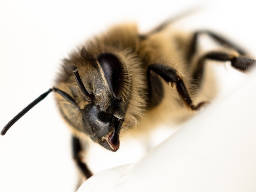
Yellowjackets and bees differ dramatically in appearance, behavior, and ecological roles. Physically, yellowjackets have smooth, hairless bodies with bright yellow and black stripes, while bees are fuzzy with branched hairs for pollen collection and more muted coloration. Body shape shows yellowjackets with defined wasp waists, while bees have more robust, rounded bodies.
Behavioral differences are significant: yellowjackets are predatory and scavenge for proteins and sugars, while bees are primarily pollen and nectar feeders that rarely interact aggressively with humans. Stinging ability contrasts yellowjackets’ smooth stingers that allow multiple stings with honeybees’ barbed stingers that embed in victims and cause the bee to die.
Food storage differs as bees produce and store honey for winter survival, while yellowjackets don’t store food and their colonies die annually. Defensiveness shows yellowjackets being territorially aggressive, while bees typically sting only when directly threatened or defending their hives.
How to know if you have a yellowjacket infestation
Yellowjacket infestations present distinctive signs of aggressive wasp activity and nest establishment:
- Ground nest entrances: Discover small holes in lawns, gardens, or around foundations with yellowjackets entering and exiting, often marked by small piles of excavated soil.
- Aggressive scavenging behavior: Notice persistent wasps around outdoor dining areas, garbage containers, or picnic sites that become increasingly bold and territorial.
- High traffic flight patterns: Observe consistent yellowjacket flight paths to and from specific areas, indicating nearby nest locations.
- Defensive reactions: Experience aggressive yellowjacket responses when working in yard areas, particularly when using lawn equipment or disturbing ground areas.
- Increased late-season activity: Notice escalating yellowjacket numbers and aggressiveness during late summer and fall when colonies reach peak populations and become more desperate for food sources.
How to prevent a yellowjacket infestation
Yellowjacket prevention focuses on eliminating attractants and reducing nesting opportunities around properties:
- Secure food sources: Keep garbage containers tightly sealed, clean outdoor dining areas promptly, and avoid leaving sugary drinks or food exposed outdoors.
- Eliminate water sources: Remove standing water, fix leaky outdoor faucets, and ensure proper drainage to make areas less attractive for colony establishment.
- Inspect potential nesting sites: Regularly check areas around foundations, sheds, and garden spaces for early nest development before colonies become established.
- Professional monitoring: Schedule spring inspections to identify and eliminate developing colonies before they reach dangerous population levels.
When to call the pros
If you’re seeing yellowjackets around your property and aren’t sure about the extent of the infestation or nest locations, contact our partners associated with Pest Control Experts today for a free quote and proper assessment! Our partnered pest control experts will determine exactly where yellowjacket colonies are established and implement targeted control methods based on their aggressive behavior and dangerous stinging capability.
FAQs about yellowjackets
Here are some commonly-asked questions from homeowners about yellowjackets and how to get rid of them.
Can yellowjackets sting multiple times?
Yes, yellowjackets can sting multiple times without dying, making them significantly more dangerous than honeybees. Their stingers are smooth and can be withdrawn easily from victims, allowing them to continue stinging repeatedly during a single encounter. This ability to deliver multiple stings means that yellowjacket attacks can quickly become severe, with individual wasps capable of injecting increasing amounts of venom.
Can yellowjackets bite?
Yes, yellowjackets can bite with their strong mandibles, though they primarily rely on stinging for defense and aggression. Their bites are typically used for gripping prey, chewing nest materials, or holding onto targets while stinging rather than as their primary defensive weapon. While yellowjacket bites can be painful and may leave marks, they’re generally less medically significant than their venomous stings. The combination of biting and stinging capabilities makes yellowjackets formidable opponents when threatened, as they can grip victims while delivering multiple painful stings during defensive encounters.
Are yellowjackets pollinators?
Yellowjackets provide minimal pollination services compared to bees and are not considered significant pollinators. While adult yellowjackets may visit flowers occasionally for nectar, they lack the specialized body hairs and pollen-carrying structures that make bees effective pollinators. Their smooth bodies don’t collect and transfer pollen efficiently between flowers.
Are yellowjackets hornets?
No, yellowjackets are not hornets, though both are types of social wasps in the Vespidae family. Hornets are larger wasps belonging to the genus Vespa, while yellowjackets belong to the genera Vespula and Dolichovespula. Hornets are generally larger, less aggressive toward humans, and build aerial paper nests, while yellowjackets are smaller, more aggressive, and often nest underground. The confusion arises because both are social wasps with similar lifestyles, but they represent different groups with distinct characteristics.
What are the differences between paper wasps and yellowjackets?
Paper wasps and yellowjackets differ in aggression, nesting habits, and appearance. Paper wasps are generally less aggressive, with longer legs that dangle during flight, and build exposed, umbrella-shaped nests under eaves or in protected areas. They have more slender bodies with narrower waists and less vivid yellow coloration. Yellowjackets are more aggressive, especially late in the season, build enclosed nests underground or in cavities, and have more robust bodies with bright yellow and black stripes.