
3-Steps to Get Rid of Weevils on Plants
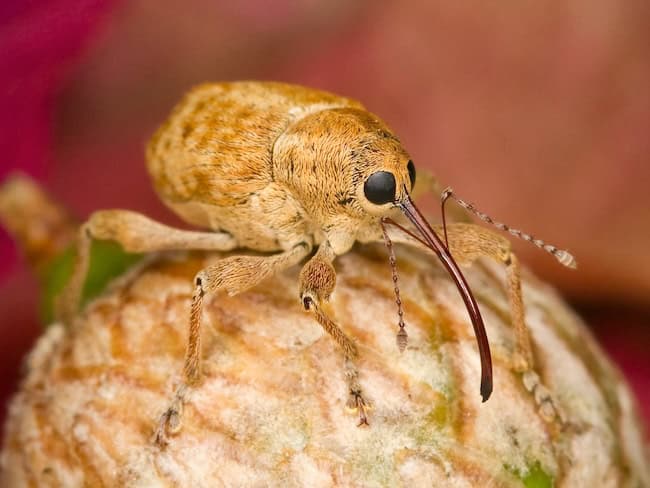
If you’re trying to find out how to get rid of weevils on plants, chances are you’ve spotted strange notches on leaves or plants that suddenly look droopy. More than just identifying the culprit, what you need is reassurance that your plants can be saved and your garden won’t get wiped out.
While weevils on plants can be frustrating, they don’t have to take over your garden. By spotting early signs and acting quickly, you can limit the damage and protect your garden.
Are Weevils Harmful to Plants?
Yes, weevils can harm plants. Adult weevils often chew on leaves, creating irregular notches or holes, while their larvae may feed on roots. This double impact can weaken plants, reduce their ability to thrive, and in severe cases, lead to plant decline.
Not every weevil poses a major threat, but some species are particularly destructive. For instance:
- Black vine weevils are notorious for attacking ornamental shrubs such as rhododendrons and azaleas.
- Root weevils can cause more serious harm by feeding underground on plant roots, which is harder to detect until damage becomes significant.
The 3-Step Action Plan to Get Rid of Weevils on Plants
Weevils can feel like a big problem, but you don’t need a complicated plan to handle them. Here’s a simple approach to try in your home garden.
1. Spot Early Signs
The sooner you notice weevil damage on plants, the easier it is to keep things under control. A quick weekly walk through your garden can make all the difference. Here’s what to look for:
- Notched leaves: Adult weevils chew small, crescent-shaped notches along the edges of leaves.
- Yellowing or wilting plants: Damaged roots may cause plants to droop or look unhealthy, even if they’re watered regularly.
- Stunted growth: When larvae feed underground, plants may stop growing or fail to flower.
- Night activity: Because weevils are nocturnal, you may catch them feeding after dark with the help of a flashlight.
If you notice any of these symptoms, it’s worth inspecting your plants more closely for weevils.
2. Take Quick and Consistent Action
Weevils may be sneaky, but quick, consistent actions make a real difference. If you see a handful of weevils or early signs of damage:
- Hand-pick adults: Head out in the evening with a flashlight when weevils are most active. Shake leaves gently over a container of soapy water, or pick them off by hand and drop them in. Every weevil you remove is one less laying eggs.
- Prune damaged leaves: Removing chewed or drooping foliage helps plants redirect energy into fresh, healthy growth. Plus, you’ll reduce hiding spots for adult weevils.
- Boost plant health: Strong plants recover more quickly. Water regularly, add mulch to keep soil moisture steady, and use a balanced fertilizer to encourage new growth. Healthy roots are a plant’s best defense.
- Add barriers: Sticky trunk wraps or bands around stems can block adults from crawling up to the leaves. It’s a simple trick that cuts off their food source and slows down new damage.
- Stay consistent: Small efforts done regularly are more effective than one big, one-time attempt. A few minutes each week can save you from a full-blown infestation later.
Catching weevils early and interrupting their cycle keeps them from multiplying, helping your garden stay resilient through the season.
3. Get Backup from a Pest Control Professional
Sometimes, hand-picking weevils and pruning leaves isn’t enough to keep them under control. If you notice spreading root damage, multiple plants affected, or weevils returning after your efforts, it may be time to call a professional.
Pest control professionals are trained to identify the full scope of the problem, not just the weevils visible on the surface. They can:
- Identify which type of weevil is damaging your plants.
- Apply targeted, U.S. Environmental Protection Agency (EPA)-approved treatments that address larvae hidden in the soil.
- Recommend long-term strategies for protecting your garden against future infestations.
By bringing in help, you ensure your plants have the best chance to recover and thrive.
What Not to Do When Dealing with Weevils
Sometimes, avoiding the wrong steps is just as important as knowing what to do, especially when a few common missteps can actually exacerbate the problem or slow down recovery.
- Don’t ignore notched leaves: Those half-moon bites are usually the very first sign weevils are around. The longer you wait, the more likely it is that larvae will already be feeding underground.
- Don’t rely on harsh DIY chemicals: Sprays that aren’t designed for weevils often damage plants without solving the root problem. Most won’t reach larvae in the soil, which means the next generation is already waiting.
- Don’t move infested plants: Shifting a potted plant or transplanting something from the garden can spread weevils to new areas. Keep suspect plants in place until you’re sure they’re clear.
- Don’t assume one treatment is enough: Weevils develop in stages, so a single round of treatment often won’t solve the problem. Consistent follow-up (such as re-checking plants, reapplying barriers, or calling in a professional) is key.
How to Prevent Weevils on Plants
When it comes to weevils, prevention is often easier than control. A few steady habits can greatly reduce the chances of an infestation taking hold in your garden.
Start by inspecting any new plants before bringing them home. Tiny weevils or eggs can hitch a ride from nurseries or garden centers. Once planted, keep your garden tidy by clearing away leaf litter, fallen branches, and excess mulch, since these create hiding spots for adult weevils.
You can also make your garden less inviting to pests by encouraging natural predators. Birds, such as wrens or chickadees, will eat adult weevils, while beneficial insects, including ground beetles and parasitic nematodes, target larvae in the soil.
Additionally, if certain plants in your yard are consistently targeted, consider replacing them with more resilient options, such as boxwood or holly. Small choices like these not only help prevent weevil problems but also make your garden stronger and easier to maintain in the long run.
Frequently Asked Questions About Weevils on Plants
Here are some commonly-asked questions about weevils on plants.
Do weevils go away on their own?
Weevils don’t usually disappear on their own. Once established, adults continue to lay eggs, and the larvae feed quietly on the roots underground. Without action, small populations often grow into larger infestations that are much harder to manage.
What kills weevils naturally?
Several natural predators can help control weevils in your garden. Birds, such as wrens and chickadees, will eat adult weevils, while beneficial insects, like ground beetles and parasitic nematodes, target the larvae in the soil. Encouraging these allies makes your garden less inviting to pests over time.
Q. Can weevils kill plants?
Yes, especially when both adults and larvae are active at once. Adults chew on leaves, reducing the plant’s ability to photosynthesize, while larvae attack the roots, cutting off water and nutrients. In severe cases, this double stress can weaken plants to the point where they decline or die.
Take Control of Weevils Before They Spread
If weevils keep returning after you’ve tried pruning, hand-picking, or barriers, the real issue may be underground, where larvae are feeding on roots. Pest Control Experts connect you with local pest control professionals who know how to identify the extent of the damage, target hard-to-reach larvae, and apply treatments that help prevent future outbreaks.
Take the first step toward a healthier, more resilient garden. Request a complimentary quote today and reclaim your plants from weevils before the problem spreads.