
5 Common Garden Pests and the Damage They Cause to Plants
Key Takeaways
- Common garden pests often cause damage gradually, starting with small signs like curled leaves, yellowing, sticky residue, holes, speckling, or reduced plant growth.
- The most common garden pests include aphids, caterpillars, whiteflies, mealybugs, spider mites, slugs, and snails, each leaving different types of plant damage.
- Accurate garden pest identification is the first step before treatment, because chewing pests, sap-feeding insects, mites, and moisture-loving pests affect plants in different ways.
- Aphids, whiteflies, mealybugs, and spider mites weaken plants by feeding on sap or plant cells, while caterpillars, slugs, and snails usually cause visible chewing damage.
- Early observation matters more than immediate treatment, especially when pest activity is minor or plants are still recovering on their own.
- Stressed plants are more vulnerable to pest problems, particularly when affected by inconsistent watering, poor soil conditions, overcrowding, heat, or moisture changes.
- Homeowners should consider professional pest control support when damage spreads across multiple plants, pest activity keeps returning, or the source of the problem is unclear.
A few holes in a leaf might not seem like a big deal until those small signs start spreading across multiple plants–most issues with common garden pests start like this. Not with sudden damage, but with subtle changes that build over time.
While some insect activity is part of a normal outdoor environment, certain pests can interfere with plant health in ways that aren’t always obvious right away. Knowing what a garden pest is, how to spot early signs, and how different pests behave can help you avoid guesswork and decide when to call a pest control professional.
What Is a Garden Pest?
Pests are organisms that damage crops or environments where people live. In a home garden, that damage tends to show up more subtly, at least at first.
A garden pest is any organism that disrupts plant health by feeding, reproducing, or creating conditions that interfere with growth. In a home setting, that damage usually appears gradually rather than all at once.
- Slower or uneven plant growth.
- Leaves that curl, yellow, or become distorted.
- Reduced flowering or fruit production.
- Increased insect activity in specific areas.
Many pests are drawn to plants that are already stressed, especially new growth or those affected by inconsistent watering, soil conditions, or environmental changes.
Why Early Identification Matters More Than Treatment
One of the biggest takeaways from integrated pest management (IPM) principles is simple: you don’t start with treatment, you start with observation.
Before doing anything, it helps to ask:
- Is the pest actually causing damage?
- Is the damage increasing or staying the same?
- Is the plant recovering on its own?
Some pest activity stays minor and doesn’t require intervention. Other situations may need attention, but only after accurate garden pest identification.
Two pests can affect the same plant in completely different ways. Treating them the same way often leads to inconsistent results, which is why identifying the cause matters more than reacting quickly.
5 Most Common Garden Pests (And How They Actually Show Up)
Instead of focusing only on what these pests are, it helps to understand how they behave in real home gardens, because that’s what most homeowners actually deal with.
1. Aphids (Aphidoidea)
Aphids are small, soft-bodied insects that tend to gather on new plant growth or the underside of leaves. They feed by drawing sap from plants, which can gradually weaken growth and distort developing leaves.
What homeowners usually notice first:
- Leaves curling inward or appearing misshapen.
- Sticky residue (honeydew) on leaves or nearby surfaces.
- Increased ant activity.
Larger aphid populations can interfere with plant growth and reduce vigor. Aphids are a good example of how common garden pests often become a problem gradually, not all at once.
2. Caterpillars (Including Tomato Hornworms, Manduca quinquemaculata)
Caterpillars are the larval stage of moths and butterflies, and they feed by chewing plant material. Unlike other pests, their damage tends to be immediate and visible.
Homeowners often notice:
- Large holes or missing sections of leaves.
- Damage that appears quickly.
- Droppings on leaves or soil.
Tomato hornworms, in particular, can consume large portions of a plant in a short time, especially on tomatoes and similar crops.
3. Whiteflies (Aleyrodidae) and Mealybugs (Pseudococcidae)
Whiteflies and mealybugs often remain hidden on the undersides of leaves or along stems until their populations increase. They feed on plant sap and produce honeydew, which can lead to secondary issues like surface buildup or mold growth.
What homeowners typically notice:
- Yellowing or dropping leaves.
- Sticky residue on plant surfaces.
- Small insects disperse when disturbed.
Sap-feeding insects, such as whiteflies, can weaken plants over time, especially as populations increase.
4. Spider Mites (Tetranychidae)
Spider mites are extremely small and often go unnoticed until visible damage appears. They feed on plant cells, leaving a distinctive pattern on leaves.
Common signs include:
- Speckled or faded leaves.
- Plants that appear dry or dusty.
- Fine webbing between leaves or stems.
Spider mites tend to thrive in hot, dry conditions and can multiply quickly. In many cases, homeowners notice the damage before they ever see the pest.
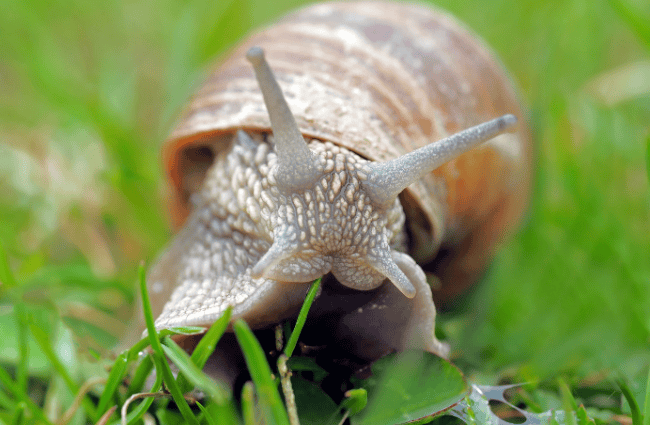
5. Slugs and Snails (Gastropoda)
Slugs and snails are moisture-dependent pests that feed during cooler, damp conditions, often at night. Instead of seeing them directly, homeowners notice:
- Irregular holes in leaves.
- Damage focused on low-growing plants or seedlings.
- Shiny trails left behind on soil or surfaces.
Their activity is often tied to moisture levels and shaded areas in the garden.
What These Pests Have in Common
Even though these are some of the most common garden pests, they tend to follow similar patterns. Recognizing these patterns can help you spot problems earlier and understand what’s changing in your garden.
Most home garden pests:
- Go after new or stressed plants: Soft, new growth is easier to feed on. Plants that are already struggling (due to watering, soil, or weather) are also more likely to attract pest activity.
- Build up over time: Pest problems usually start small. Early signs, such as minor leaf damage or slight discoloration, are easy to miss until the issue becomes more noticeable.
- Leave different types of damage: Chewing insects often leave visible holes in leaves, sap-feeding pests can cause curling, yellowing, or a sticky residue, and very small pests like mites may create a speckled or faded appearance.
- Change with conditions: Heat, moisture, and overall plant health all influence pest activity and how quickly they spread.
Stressed plants are more vulnerable to pest pressure, while healthier plants are better able to tolerate minor damage. Understanding these shared patterns makes it easier to tell whether pest activity remains manageable or is becoming a larger issue.
What Homeowners Should Avoid
When dealing with home garden pests, it’s easy to take action that doesn’t match the situation. A few common missteps can make pest issues harder to manage over time.
Here’s what to avoid:
- Skipping identification: Treating without knowing the pest often leads to ineffective results.
- Overapplying products: Using treatments too frequently can stress plants without addressing the root issue.
- Ignoring plant conditions: Poor watering, soil issues, or overcrowding can make pest problems worse.
- Treating too late: Waiting until damage is widespread can limit available options.
In many cases, pest activity is only part of the issue. Environmental conditions and plant health often influence how quickly problems develop.
When It’s Time to Call a Professional
Some pest issues remain minor. Others continue to spread or return despite consistent care. You may want to consider professional support if:
- Damage continues across multiple plants.
- Plants don’t recover over time.
- Pest activity keeps returning.
- The source of the problem isn’t clear.
Pest Control Experts connects homeowners with pest control professionals who can assess pest activity and explain which options may make sense for your situation.
Deal with Common Garden Pests with Pest Control Experts
Dealing with common garden pests isn’t about reacting to every insect you see. It’s about recognizing when patterns shift – when plants stop recovering or when damage spreads. Awareness is what helps homeowners decide what’s worth addressing and when to take the next step.
Pest Control Experts connects homeowners with local pest control professionals who understand how these issues develop in real environments to help support healthier outdoor spaces, one home at a time. If your garden isn’t bouncing back as you expected, request a complimentary quote today to understand what’s happening.
Frequently Asked Questions About Common Garden Pests
Even with a better understanding of pest patterns and damage, some questions keep coming up when problems start to appear in the garden.
A: Pest activity usually increases when conditions support feeding and reproduction. Warmer temperatures, longer daylight hours, and active plant growth all create ideal conditions for many common garden pests.
A: One of the most common issues is treating the problem before confirming what’s causing it. Different pests damage plants in different ways, so using the wrong approach can waste time and allow the issue to continue.
Accurate garden pest identification helps narrow down what’s actually happening, whether the damage is increasing, and what next steps make sense. In many cases, observation over time provides more clarity than immediate action.
A: Some home garden pests can contribute to the spread of plant diseases, especially those that feed on plant sap. As they move from plant to plant, they may carry pathogens such as viruses or bacteria. For example, aphids are known to transmit certain plant viruses between crops, which can affect plant growth and yield.