
5 Types of Termites Invading Homes and Expert Treatment Options
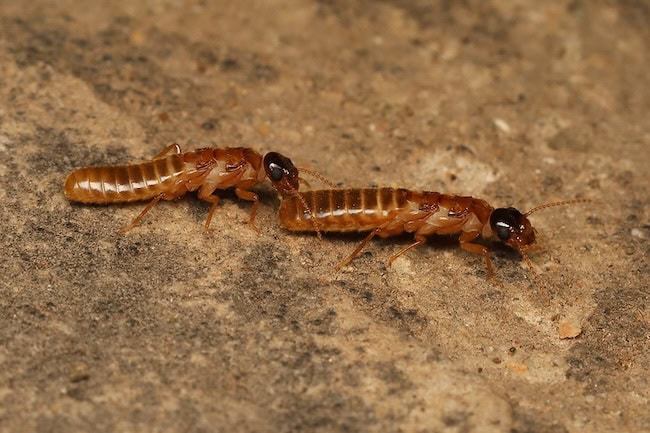
When homeowners think about a termite infestation, they often imagine crumbling wood or hollow spots in their walls. However, what many don’t realize is that termites come in several different types, each with its own habits, preferred environments, and distinct signs of damage that can affect your home and yard in unique ways.
This article explores the most common types of termites found across the United States, how they behave, where they typically build colonies, and the professional treatment options available for how to get rid of termites based on the species you’re dealing with.
How Various Types of Termites Invade Homes and Yards
Termites often infiltrate homes and outdoor structures through subtle and overlooked pathways. Here are the most common ways they gain access:
- Cracks in the foundation
- Gaps in siding or brickwork
- Wood-to-soil contact
- Moisture buildup
- Landscaping too close to the home
5 Different Types of Termites That Can Invade Your Home and Yard
Not all termites are the same. Below, we break down major types of termites, how they behave, and why each one poses a different threat to your home and yard.
1. Subterranean Termites
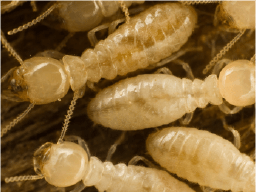
Among the various types of termites, subterranean termites are the most destructive and widespread in the United States. Subterranean termite workers are soft-bodied, creamy white to grayish, and about ⅛ inch long. Soldiers have elongated yellowish heads with strong mandibles, while swarmers (reproductives) are dark brown or black with long, pale wings.
These pests live underground in massive colonies and construct distinctive mud tubes that act as protected highways between their nest and food sources, which mainly consist of wood, paper, and other cellulose-rich materials.
The mud tubes not only shield them from open air and predators but also allow them to travel undetected as they infest structural wood. Their colonies are also highly organized, with a clear division of labor among workers, soldiers, and reproductive castes, all contributing to the colony’s rapid growth and persistence.
Unlike some other types of termites, subterranean termites require constant contact with soil or another moisture source to survive, which is why infestations often occur in wood near foundations, crawl spaces, and areas with drainage issues.
2. Drywood Termites
Unlike subterranean species, drywood termites do not require soil contact or moisture to survive. They live entirely within the wood they consume, forming much smaller colonies that allow them to infest areas like walls, furniture, flooring, and roof structures without easily being detected.
In terms of appearance, drywood termite workers and soldiers are typically light-colored to tan, while swarmers are darker, usually brown with smoky-gray wings. Measuring around ⅜ inch in length, they are slightly larger than their subterranean counterparts.
Drywood termites infest dry, sound wood, including furniture, framing, hardwood floors, and even picture frames. Because they don’t build mud tubes, they’re harder to detect visually. Instead, homeowners might find tiny piles of frass (termite droppings), which resemble sawdust or coffee grounds, near infested wood.
3. Formosan Termites
Often called “super termites,” Formosan termites are an aggressive and invasive species of subterranean termite that originated in East Asia. Their swarmers have yellowish-brown bodies with slightly hairy, translucent wings, while their soldiers are easily identified by their distinctive teardrop-shaped heads and heightened aggressiveness compared to other termite species.
A single Formosan colony can contain millions of individuals, far exceeding the size of typical subterranean or drywood termite colonies, allowing them to cause significant structural damage in a very short time. Unlike most termites that rely solely on underground nests, Formosan termites can establish both underground and aboveground colonies.
They’re known for creating carton nests — a dense mixture of chewed wood, feces, and saliva that retains moisture and allows them to survive above ground without direct contact with soil. These nests are often hidden in wall voids, attics, or behind siding.
4. Dampwood Termites
Dampwood termites, as the name suggests, are drawn to wood with high moisture content (at least 10%). They’re most often found in decaying logs, tree stumps, or areas inside the home where water damage has softened the wood, like around leaky roofs, broken plumbing, or poorly sealed windows.
These termites are noticeably larger than both subterranean and drywood species. Adult dampwood termites typically measure up to ½ inch or more in length. They are reddish-brown to tan, with large winged swarmers and broad bodies.
They’re not commonly found in homes unless there’s a serious moisture problem. Unlike subterranean termites, they don’t build mud tubes or carry dirt into their tunnels. Instead, they leave behind smooth, clean galleries inside the wood, often hidden deep within the damp, damaged structure.
5. Conehead Termites
Conehead termites are a highly aggressive and invasive species found mostly in parts of Florida. Conehead termite workers are creamy white, while soldiers are larger, dark brown, and easily identified by their pointed, cone-shaped heads. Swarmers are dark brown to black with long, smoky wings, similar to drywood termites in appearance but distinguishable by behavior and location.
Unlike most types of termites, conehead termites don’t rely on hidden underground tunnels. Instead, they travel above ground in visible mud tubes, moving across surfaces much like ants. These termites build conspicuous nests and foraging tubes on the ground, in trees, along fences, and on buildings.
Their nests often resemble ant mounds and are relatively easy to spot. However, despite their visible presence outdoors, the internal damage they cause to wood structures can remain hidden for a long time.
Catching a termite infestation early can save thousands in structural repairs. Here are 10 warning signs that may point to one or more types of termites invading your home:
10 Termite Infestation Signs to Watch Out For
- Hollow or damaged wood: Tap wooden surfaces like baseboards or door frames. If it sounds hollow or feels weak, termites may have eaten inside, leaving only a thin outer layer. This is common with subterranean and drywood termites.
- Mud tubes and outdoor tunnels: Look for narrow mud tubes on concrete or wood near your foundation. These tubes protect subterranean termites while they travel between their underground nests and food.
- Discarded wings near entry points: Check around windows, doors, or vents for piles of shed wings. This indicates reproductive termites have swarmed and are establishing new colonies nearby.
- Pellets of Frass: Look under furniture or near wood for small, wood-colored pellets. These droppings come from drywood termites and signal active feeding.
- Bubbling or peeling paint: Watch for paint that bubbles or peels without any visible water damage. This can be caused by moisture from termite activity inside the walls.
- Stuck Doors or windows: Notice if doors or windows are hard to open or close. Termite moisture can cause the wood to warp and swell.
- Clicking or chewing sounds inside walls: Listen for faint tapping or chewing noises, especially at night. These sounds often come from termites feeding or warning the colony.
- Sagging floors or ceilings: Check if floors feel soft or ceilings sag. Termites can weaken structural wood, causing these issues.
- Small holes in wood or drywall: Look for tiny holes in walls, trim, or wood surfaces. These may be exit points for termites and may have frass or dirt nearby.
- Damage in yard or garden: Inspect tree stumps, mulch, and fences for hollowed wood or mud tubes. This shows subterranean termites are active outdoors and may invade your home.
How to Get Rid of Termites with Professional Pest Control
Termites are masters at staying hidden, which makes DIY treatments ineffective at eliminating the entire colony. While store-bought sprays may kill visible termites, they rarely reach the nest deep inside your home.
That’s why the best way to learn how to get rid of termites is by contacting a professional pest control service. Experts have the knowledge and tools to customize a treatment plan for your home, ensuring the entire colony is targeted and future infestations are prevented.
Depending on your situation, some experts may recommend:
Liquid Termiticides
Liquid termiticides are applied as a continuous chemical barrier around the home’s foundation. This method helps prevent termites from entering or exiting the structure. It’s one of the most widely used solutions for how to get rid of termites early, especially when activity is spotted near the exterior.
The termiticide can also kill termites that tunnel through treated soil, helping to protect your home from future infestations. Improper application of these treatments can lead to soil and groundwater contamination and may leave the home vulnerable to reinfestation.
Bait Systems
Bait systems offer a targeted, environmentally conscious approach to termite control and are especially appealing for homeowners seeking how to get rid of termites with minimal chemical exposure. These systems place slow-acting toxic bait, typically infused with cellulose, into stations around the home.
When termites consume the bait and bring it back to the colony, it slowly affects other termites, including the queen, ultimately destroying the colony over time. These baits use EPA-approved active ingredients designed to disrupt termite development or kill them gradually.
Fumigation
Fumigation is generally reserved for extensive drywood termite infestations. The entire structure is tented and filled with a gas that penetrates deep into wood, walls, and other hidden areas. This approach can eliminate termites that might be inaccessible with other methods.
Fumigation typically requires homeowners to vacate the property for a few days, and only certified fumigators should perform this treatment, as they must follow stringent EPA guidelines to ensure environmental compliance.
Foam Injections
Foam termiticides offer a localized solution for how to get rid of termites when the infestation is confined to hard-to-reach areas such as wall voids, foundation cracks, window frames, or crawl spaces. Pest control professionals inject specially formulated foam, containing the same active ingredients used in liquid treatments, into small openings where termites may be nesting.
Foam expands to fill hidden spaces and clings to surfaces, making it ideal for targeting isolated activity without disturbing the entire home. It’s often used as a supplemental treatment alongside baiting or barrier methods.
Wood Treatments
Wood treatments serve both preventative and curative roles in termite control and are especially useful during new construction or renovation projects. These treatments involve applying insecticidal solutions directly to wood surfaces or injecting them into infested areas to kill or repel termites.
The most commonly used active ingredient in wood treatments is borate, a naturally derived mineral that is toxic to termites but poses minimal risk to humans and pets when applied correctly. Borates penetrate the wood and remain active for years, making the material unappetizing or lethal to termites.
FAQs About the Different Types of Termites
Here are some commonly-asked questions about the different types of termites and the damage they cause.
A: While wood is the primary target for many types of termites, some species can also damage other cellulose-containing materials. Termites can infest paper, cardboard, insulation, and even certain plastics with cellulose additives.
For example, aggressive species like Formosan termites can chew through soft metals such as copper wiring, which can lead to electrical problems. This wide range of materials susceptible to termite damage means a termite infestation can impact many parts of your home or yard beyond visible wood.
A: The activity of various types of termites often depends on climate and species. Many termites swarm during the spring and early summer, when termite swarmersleave the colony to start new nests.
However, subterranean termites tend to remain active year-round in warm climates because their underground colonies are insulated from temperature extremes. Drywood termites inside homes can be active throughout the year as well, thanks to the stable indoor environment.
A: One of the most efficient steps is eliminating moisture problems by fixing leaks, improving drainage, and ensuring gutters and downspouts direct water away from the foundation. Avoiding direct wood-to-soil contact around the house is also critical; for example, use concrete or metal barriers beneath wooden structures like decks or fences.
Maintaining a gap between mulch or plants and your home’s exterior reduces favorable conditions for subterranean termites. Additionally, regular professional inspections help detect early signs of termite activity and allow for timely interventions.
A: Annual inspections are generally recommended in termite-prone regions, but homes with previous termite activity or wood-to-soil contact may require more frequent checks.
Seasonal conditions like spring swarming increase termite visibility, but don’t guarantee that infestations won’t occur in other months. Professional inspectors use detailed methods to detect early signs, guiding homeowners on how to get rid of termites before damage escalates.
Protect Your Home from Different Types of Termites with Pest Control Experts
Don’t wait for visible damage to take termites seriously. Pest Control Experts connect you with the best local pest control professionals who know exactly how to get rid of termites. We help you identify, treat, and prevent termite problems before they cause serious damage.
Contact us today for a quote and thorough inspection for your home and yard!