
A Homeowner’s Guide to Ant Colonies

Ants are among the most common household pests, but understanding how ant colonies form, grow, and spread through your home is not only fascinating but can also make a big difference when it comes to proper ant colony removal.
This blog delves into the intricate structure and behavior of ant colonies, their methods of spreading through your living spaces, and what you can do about it.
What Are Ant Colonies?
An ant colony is much more than just a collection of ants. It is a highly organized, complex social system comprising hundreds or even thousands of individual ants working together as a single unit. Unlike solitary insects, ants operate collectively, performing specialized roles that enable the colony to function smoothly.
This coordinated teamwork enables the colony not only to survive but also to rapidly expand and spread across various areas, including within your home. Once inside your home, ant colonies can establish in several hidden spots:
- Inside wall voids, especially where there is moisture or wood damage
- Underneath floors or carpets
- Inside insulation or behind appliances
- In cracks and crevices near foundations
- Within furniture or wooden structures
Common Types of Ant Colonies You Might Encounter
Different ant species have different nesting preferences and colony behaviors. Knowing the species can help tailor ant colony removal methods. Below are the ant species you might see in your home:
- Carpenter ants: Carpenter ants excavate wood to create nests and can cause structural damage if left unchecked. Their colonies can be quite large and spread inside wood framing.
- Odorous house ants: Known for the musty smell they emit when crushed, odorous house ants build colonies both indoors and outdoors, often nesting near sources of moisture. These ants form multiple satellite colonies and are attracted to sugary foods.
- Argentine ants: Argentine ants are renowned for their highly invasive and aggressive behavior. They also form massive colonies with multiple queens, making ant colony removal especially challenging.
- Pavement Ants: These ants nest in cracks in pavement or concrete but can easily enter homes through small openings. Pavement ant colonies are large and often aggressive when disturbed.
- Pharaoh Ants: Pharaoh ants build colonies in hidden, inaccessible places, such as wall voids and electrical outlets.
The Ant Colony Structure: How These Tiny Societies Work
The ant colony structure consists of three main types of ants, each with distinct roles. Here are the roles that make up an ant colony:
1. The Queen
The queen ant is the reproductive powerhouse of the colony. Physically, she is noticeably larger than other ants, often with a more robust thorax and a visibly enlarged abdomen for egg production. Some queens also retain wing scars or wings, especially before they establish a colony.
A queen can live for several years, laying thousands of eggs in her lifetime. Her survival is the colony’s top priority, and many worker ants are dedicated to her care and protection.
2. Worker Ants
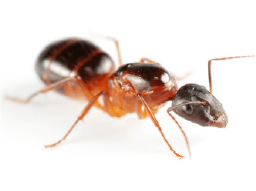
Worker ants make up the majority of the colony. They are the sterile females who handle most of the day-to-day operations. They are typically small to medium in size, wingless, and may be brown, black, or red, depending on the species.
Worker ants gather food, care for the queen’s eggs, build and repair the nest, and defend the colony from threats. Because they’re responsible for finding food, workers are the ants homeowners often see wandering around kitchens, walls, or patios.
3. Male Ants
Male ants, or drones, are typically slender with smaller heads and long wings and are usually darker in color. Male ants exist solely for mating purposes with queens during nuptial flights. They typically have a short lifespan and do not contribute to foraging or nest maintenance.
4. Soldier Ants (in Some Species)
Not all ant species have a distinct soldier caste; however, when present, soldier ants are larger and bulkier than workers, often characterized by oversized heads and powerful mandibles. These physical traits help them defend the colony against predators and rival ants. Some species, like carpenter ants, have soldiers that are visibly intimidating compared to their worker counterparts.
How Do Ant Colonies Form?
Ant colonies spread in a slow but relentless manner. Let’s take a closer look at how ant colonies form and what drives their growth:
1. The Nuptial Flight and Mating
During the nuptial flight, winged queens mate with males mid-air. Afterward, males typically die, while fertilized queens land to find a suitable nesting site. This process happens once or twice a year, depending on the species and climate.
The queen then sheds her wings and begins searching for a protected spot to start her new colony. This spot might be in soil, under rocks, inside wall voids, or any sheltered place within or near your home.
2. Founding the Colony
Once the queen selects a nesting location, she lays her first batch of eggs. The queen cares for these eggs alone until they hatch into larvae. They then produce trophic eggs or bodily secretions to nourish the early brood. Once these larvae mature into worker ants, they take over tasks such as foraging and expanding the nest, allowing the queen to focus on egg-laying.
3. Colony Expansion
As worker ants mature, they increase the colony’s ability to gather food and expand the ant colony structure. Ant colonies are intricately organized with specialized chambers and connecting tunnels. These spaces serve different purposes, including nurseries for developing eggs and larvae, storage for food, and rest areas for worker ants.
As the colony grows, it builds additional tunnels and chambers, steadily expanding its presence throughout your property. The extent of this expansion depends on the species; some nests remain small and contained, while others develop into sprawling networks that stretch several feet through soil, insulation, or hidden structural voids.
How Ant Colonies Spread Through Your Home Over Time
Ant colonies are highly adaptable and persistent. Once established near or inside your home, they can spread quietly over weeks and months, eventually becoming a visible problem. This growth happens in several ways:
Tracking Food and Water Sources
Ants are constantly scouting for food and water. Common household attractants include sugary spills, crumbs, pet food, and water leaks. Worker ants create scent trails, using pheromones to guide other ants from the nest to these resources. This trail system allows the colony to expand its reach throughout your home.
Nest Expansion Inside Structures
Some species prefer to build nests outdoors, while others, such as carpenter ants, bore into wood inside walls and floors. As the colony grows, new satellite nests may form in different parts of the house to store food or house extra workers.
These secondary nests are often tucked away in separate parts of your home or yard but remain connected to the main colony through well-established foraging trails. To the untrained eye, these satellite colonies may appear to be separate infestations, but in fact, they are all part of a single, expansive, and coordinated colony network.
In some cases, colonies expand even further through a process called budding, where a group of ants, including a queen and several workers, splits off to form a new colony nearby. This reproductive strategy enables ants to rapidly colonize multiple areas within and around your home, making ant colony removal and control even more challenging.
Seasonal Spread
Ant activity often increases during warmer months as the colony grows. During these times, you may notice an increase in ants inside your home, particularly in the kitchen and bathroom. Ant colonies spread through cracks, gaps in windows and doors, and utility lines. Moisture issues, like leaks and clogged gutters, can create favorable environments for nest expansion.
3 Ways to Find the Ant Colony in Your Home
Locating the ant colony is a critical step in effective ant colony removal. Simply killing the ants you see won’t solve the problem if the colony remains intact. Here’s how to find the ant colony in three ways:
- Look for ant trails: Ants rarely wander aimlessly. Follow the ant trails to trace where they enter and exit your home. Look carefully along baseboards, window sills, door frames, and around plumbing fixtures. Trails often lead to cracks, crevices, or nest entrances.
- Look for nesting signs: Signs that point to a nearby colony include piles of dirt or sawdust near walls (for carpenter ants), small holes in wood, and dead ants near entry points. Additionally, during the nuptial season, flying ants (alates) inside your home can indicate the presence of a nearby mature colony. Sometimes, you can also hear faint rustling sounds coming from inside the walls or floors.
- Use bait or monitor stations: Place sugary or protein-rich baits along trails to lure ants. Once ants carry the bait back to the colony, it can help confirm the location of the colony.
Ant Colony Removal: What Homeowners Need to Know
Ant colony removal involves more than just spraying insecticide on the ants you see. Due to the complex ant colony structure and social behavior, a strategic approach is necessary to disrupt its life cycle. In some species, multiple queens exist within a single nest, meaning that eliminating just one won’t bring down the entire colony.
The ant colony structure itself adds to the challenge, as nests can be hidden deep underground or concealed in wall voids, making access difficult and treatment less effective if not thorough. Even when disturbed, the queen’s continuous egg-laying means the colony can quickly rebound if treatment is incomplete.
While you may attempt DIY methods, ant colony removal often requires professional pest control expertise to fully address the infestation and prevent it from recurring. Professionals can assess the type of ant species, colony size, and nesting locations for customized treatment plans.
For instance, pest control services employ a combination of ant management strategies, including slow-acting baits containing insecticides or perimeter treatments applied around the foundation of the home to prevent ants from entering and spreading.
How to Prevent Ant Colonies from Forming Again Inside Your Home
Prevention is the best strategy once your current ant colony has been removed by professionals. Here are some ways to make your home less inviting to ants:
- Maintain cleanliness: Wipe up food crumbs, clean spills promptly, and store food in airtight containers. Remove debris, mulch, and standing water near your home’s exterior.
- Seal entry points: Use caulk or weather stripping to close gaps around windows, doors, and foundations.
- Control moisture: Fix leaks, ensure proper drainage, and reduce humidity in crawl spaces and basements.
- Regular inspection: Periodically check for early signs of ant activity, especially in warm months.
Common Questions About Ant Colonies
Here are some frequently-asked questions about ant colonies and how they can be established in homes.
Does an ant colony die without a queen?
Yes, ant colonies cannot survive long-term without their queen, as she’s the sole reproductive individual responsible for laying eggs that maintain the population. Worker ants typically live only weeks to months, so without new offspring, the colony gradually dies as existing members reach the end of their natural lifespans. However, some species have multiple queens or can produce new queens under certain conditions. Complete colony elimination requires targeting the queen, making surface treatments often ineffective against established populations.
How big can ant colonies get?
Ant colony sizes vary dramatically by species, from small colonies with a few hundred workers to massive supercolonies containing millions of individuals. Common household species like pavement ants typically maintain colonies of 3,000-4,000 workers, while carpenter ant colonies can reach 10,000-15,000 members. Some species create interconnected networks spanning multiple nesting sites across large areas. Mature colonies often contain specialized castes including workers, soldiers, and reproductive individuals, with population peaks occurring during warmer months when activity increases significantly.
Where am I most likely to find an ant colony?
Ant colonies establish in protected locations offering moisture, food access, and security from predators. Common outdoor sites include under rocks, logs, concrete slabs, and within soil near building foundations. Indoor colonies often develop in wall voids, beneath flooring, inside insulation, and around plumbing areas where moisture accumulates. Kitchen and bathroom areas provide ideal conditions due to water sources and food availability. Colonies may also establish in mulch beds, landscaping materials, and potted plants, especially during dry conditions when outdoor moisture becomes limited.
Can I remove an ant colony myself?
DIY ant colony removal proves challenging because colonies often extend deep underground or within inaccessible wall voids where the queen remains protected. Surface treatments eliminate visible workers but rarely reach reproductive individuals, allowing colonies to rebuild rapidly. Over-the-counter products typically provide temporary relief rather than permanent elimination. Successful colony removal requires locating and treating the entire nest structure, including satellite colonies that some species maintain. Professional pest control offers specialized equipment, targeted treatments, and follow-up services necessary for complete colony elimination.
Do ant colonies come back?
Ant colonies can return to treated areas if the original queen survives treatment or if environmental conditions continue attracting new colonies from surrounding areas. Incomplete elimination often results in rapid population recovery as surviving reproductive individuals restart egg production. Additionally, established pheromone trails and attractive conditions like food sources or moisture can draw new colonies to previously infested locations. Effective long-term prevention requires addressing underlying attraction factors, sealing entry points, and implementing ongoing monitoring to detect early reestablishment before populations become problematic again.
Don’t Let Ant Colonies Take Over Your Home — Call Pest Control Experts Now!
If you’re seeing ants in your kitchen, bathroom, or near your foundation, there’s likely a hidden colony nearby. The longer you wait, the more time ant colonies have to spread and form satellite nests. At Pest Control Experts, we partner with the best local pest control services that know how to find the ant colony, assess its structure, and deliver thorough, long-lasting ant colony removal. Get your quote and schedule a home inspection with Pest Control Experts today!