
Homeowners’ Guide: When Is Termite Swarming Season?
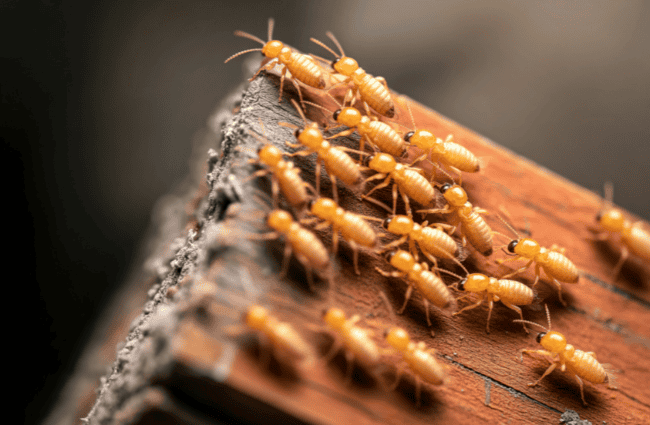
If you’ve ever noticed winged insects gathering near your windows or lights, you may have wondered what caused it and whether it’s something to worry about. For many homeowners, this moment happens during termite swarming season.
Swarmers often appear suddenly and disappear just as fast, which can make the situation confusing. Seeing swarmers doesn’t automatically mean your home has an active infestation, but it does indicate that termites are active in the area and searching for new places to establish colonies.
This guide explains when termite swarming season typically occurs, how long it lasts, what swarmers may mean for your home, and when it’s time to reach out to a professional.
What Is Termite Swarming Season?
Termite swarming season refers to the time of year when established termite colonies release winged reproductive termites, commonly called swarmers. These termites leave their original colony with one goal: to reproduce and form new colonies elsewhere.
Swarming is a normal part of the termite life cycle. It usually happens when conditions support survival, such as warm temperatures, moisture, and calm weather. Because of this, swarming tends to occur during predictable times of the year, though the exact timing can vary.
Important things to know about swarming termites:
- They are not the termites that cause damage directly.
- Their presence suggests a mature colony exists nearby.
- They are capable of starting new colonies.
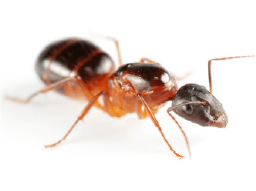
- They are often mistaken for flying ants.
After swarming, these termites shed their wings and seek suitable environments (often soil or wood) to establish a new colony.
When Is Termite Swarming Season?
Termite swarming season varies by species, climate, and local conditions. Some environmental factors, such as temperature, humidity, and rainfall, influence swarming more than specific calendar dates do.
The table below summarizes general timing and regional prevalence for common termite species in the U.S.:
| Termite Type | Typical Swarming Season | Conditions That Trigger Swarming | Common U.S. States or Regions | Notes for Homeowners |
| Subterranean Termites | Spring (March to May) | Warm temperatures, rainfall, or moist soil | Florida, Texas, California, Ohio, and New York | Swarmers often appear after rain; they indicate nearby colony presence |
| Drywood Termites | Summer (June to August) | Warm, dry, and humid conditions | California, Arizona, Texas, and Hawaii | Can appear indoors without contact with soil; check wooden structures for signs |
| Formosan Termites | Late spring to early summer | Warm, moist environments | Louisiana, Florida, Texas, and Georgia | Swarming tends to be heavier in the southern U.S.; colonies can grow rapidly |
Swarming may shift each year slightly depending on local weather conditions. Seeing swarmers signals reproductive activity, and even a brief swarm may indicate an active colony nearby.
How Long Is the Termite Swarming Season?
While the overall season may span several weeks or months, individual swarming events are usually short.
Most swarms:
- Last a few hours to a few days.
- Occur during daylight or early evening.
- It may happen once or multiple times in a season.
Even if swarmers disappear quickly, their presence still matters. Swarming activity signals that termites are nearby and actively reproducing, which is why follow-up is important.
What Do Termite Swarmers Look Like?
Termite swarmers are often mistaken for flying ants, but several features help distinguish them. Common characteristics of termite swarmers include:
- Straight antennae.
- Two pairs of wings that are equal in size.
- Wings that extend beyond the body.
- Thick, straight waists.
Homeowners may also notice piles of discarded wings near windowsills, doors, or vents. Finding wings indoors is often more concerning than spotting swarmers outside, as it suggests they entered the structure.
Why and Where Homeowners Spot Termite Swarmers
Termite swarming season highlights periods of increased termite activity. While termites work quietly year-round, swarming is when they become visible.
Termites feed on cellulose-containing materials, including wood used in homes. Over time, feeding activity can weaken structures. Swarming season is often when homeowners first become aware that termites may be present nearby. Recognizing swarming activity early can help homeowners make informed decisions before problems grow more difficult to address.
During termite swarming season, homeowners often report seeing swarmers in areas such as:
- Near windows or sliding glass doors.
- Around porch lights or exterior lighting.
- Along baseboards or window frames.
- Inside garages or crawl spaces.
- Near vents or attic access points.
Swarmers are attracted to light, which is why they often appear near windows or light fixtures.
Does Seeing Swarmers Mean You Have Termites?
Seeing termite swarmers does not always mean you have an active infestation, but it is an important sign that shouldn’t be ignored. Swarmers spotted outside suggest termites are active in the surrounding area and may be searching for new nesting sites.
When swarmers appear inside the home, it can indicate that termites are nearby, that entry points allow insects indoors, or that a colony may already be present. Because termites often stay hidden behind walls or below ground, swarming activity is one of the few early, visible clues homeowners may notice.
What Not to Do During Termite Swarming Season
When termites are involved, it’s especially important to avoid actions that could worsen the situation. Avoid these common mistakes:
- Do not attempt to treat termites yourself, as surface products do not address hidden colonies.
- Do not disturb suspected termite areas, which may spread activity.
- Do not assume the issue is resolved just because swarmers disappear.
- Do not block entry points without inspection, as this may trap termites inside walls.
Because termites are wood-damaging pests, self-management is not recommended.
When to Call a Termite Control Professional
Termite behavior varies by species and region, so professional evaluation ensures the right approach is taken. Homeowners may want to contact a termite control professional if they notice swarmers inside the home, discarded wings indoors, mud tubes along foundations, hollow-sounding wood, or repeated swarming near the property.
Early evaluation can clarify what’s happening and outline available options. Pest Control Experts connects homeowners with local pest control professionals who understand termite activity in their area and can provide next-step guidance.
Frequently Asked Questions About Termite Swarming Season
Here are some commonly-asked questions about termites during the swarming season and how they can affect homes.
A: Termite swarmers themselves do not feed on wood or cause structural damage. Their role is strictly reproductive; they leave the original colony to mate and start new colonies. However, seeing swarmers indicates that a mature colony is nearby, and colonies can damage wood, flooring, and other cellulose-based materials over time.
A: In many regions, termite swarming is a recurring seasonal event. Established colonies often produce swarmers annually when environmental conditions are favorable, such as warm temperatures and sufficient moisture.
A: Not necessarily. Termite swarmers usually die within a few days after leaving the colony, but the colony itself can remain hidden and active underground or inside wood. A short-lived swarm may provide only a glimpse of termite activity, so it’s important to consider professional evaluation if signs like mud tubes, discarded wings, or damaged wood are present.
Local Termite Professionals Are Ready to Help
Termite swarming season is one of the clearest signs that termites are active nearby. While seeing swarmers doesn’t always mean your home is affected, it’s a signal worth paying attention to.
Pest Control Experts helps homeowners connect with local termite professionals who can assess the situation and explain available options. If you’ve noticed swarmers or signs of termite activity, request a complimentary quote today and take a proactive step toward protecting your home.