
How Fleas on Pets Can Quickly Spread Through Your Entire Home
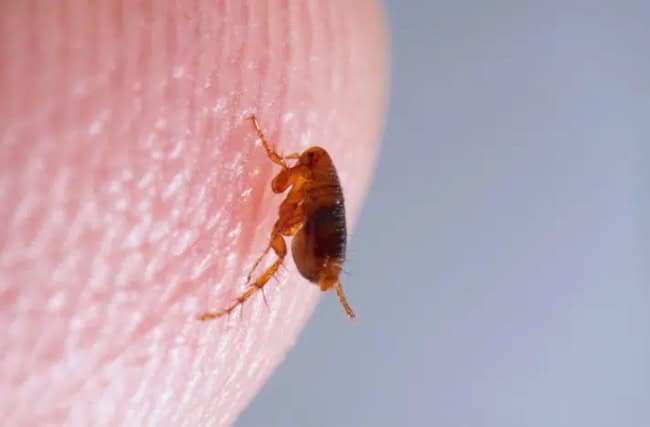
When you first notice fleas on your cat or dog, it’s easy to think it’s just your pet’s problem. You brush them, maybe bathe them, and assume the issue is solved. But the real challenge is that fleas don’t stay put.
They hitchhike, they jump, and before long, they’re not only on your pet–they’re in your carpet, your couch, and sometimes even in your bed.
The problem most families want solved isn’t just fleas on pets. It’s the ripple effect those fleas create in your home life—pets itching and biting, sleepless nights, extra laundry, and a feeling that the problem is growing faster than you can keep up with.
How Fleas Sneak Into Your Home
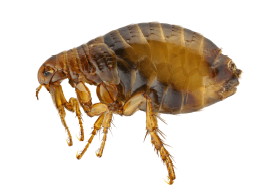
Fleas are small, wingless insects that feed on the blood of mammals. They get into a home by latching onto pets that spend time outdoors, but they’re not picky about where they land next.
- Jumping ability: A flea can leap up to 13 inches in a single bound, allowing it to move from your pet to a rug, a chair, or even your ankle.
- Egg laying: A single female flea can lay 40 to 50 eggs per day. Those eggs don’t all stay on your pet; they fall off into bedding, cushions, and carpet fibers.
- Hidden hideouts: Flea larvae avoid light, crawling into cracks between floorboards or under furniture where vacuums rarely reach.
If you’ve ever sat down on the couch only to notice a speck jump when you shift your blanket, that’s how quickly fleas make themselves at home.
Why Fleas Spread So Fast
One of the reasons fleas feel so relentless is their life cycle. Unlike other pests that you can eliminate with a single treatment, fleas emerge in waves:
- Eggs: Tiny, white, and laid in clusters. They fall off pets onto carpets and fabrics.
- Larvae: Worm-like, they feed on organic debris and avoid light, hiding in dark, secluded spaces.
- Pupae: Encased in cocoons, fleas can remain dormant for weeks, waiting until they sense vibration or warmth to emerge.
- Adults: Hungry, mobile, and ready to bite within hours.
Because cocoons can “pause” development, you might clean and think you’re in the clear–only to have a fresh wave of adults appear days later.
What a Flea Infestation Really Means for Your Household
A flea infestation is more than just a household inconvenience; it alters the way your home feels day to day. Pets often scratch and shake at night, keeping the family awake. Washing bedding turns into a never-ending routine, and even something as simple as sitting on the couch may be interrupted by a quick-moving speck out of the corner of your eye.
For kids, fleas can be especially unsettling. Waking up with mysterious bites or spotting a flea on a beloved pet often creates worry or discomfort. For adults, the extra chores (vacuuming constantly, sweeping more than usual, or adding yet another load of laundry) can become exhausting. Fleas may be small, but the way they ripple through a household is big.
Do fleas live on humans?
No, fleas don’t live on humans. They need thick fur to hide and reproduce, which we don’t provide. But they can absolutely bite and cause a nuisance for you and your family members.
Fleas may jump from a pet to a human for a quick blood meal, leaving behind itchy red bumps often around ankles and legs where skin is exposed. While uncomfortable, these bites are temporary and don’t mean you’ve become the flea’s new “home.”
How to Get Rid of Fleas on Pets: A 3-Step Action Plan
If you’re dealing with an infestation, here are practical steps on how to get rid of fleas on pets:
- Treat your pets: Start with your veterinarian. They can recommend oral or topical treatments designed for your specific pet. DIY remedies without approval can put your pet’s health at risk, so it’s best to stick with what’s tested and approved.
- Wash bedding and linens: Run pet bedding, blankets, and linens through a hot wash and high-heat dry cycle. This helps reduce flea eggs and larvae clinging to fabrics.
- Vacuum like a routine, not a chore: Regularly vacuum rugs, carpets, and furniture, especially areas where your pet spends time. Empty the vacuum bag or canister right away to prevent fleas from crawling back out.
Myth vs. Reality: What Works (And What Doesn’t)
Because fleas are so common, there are plenty of “home remedies” floating around online. Some may help a little, while others don’t live up to the hype.
| Myth | Reality | Actual Remedy |
| Baking soda and salt get rid of fleas in carpets. | No evidence shows that this method fully eliminates fleas. | Vacuum carpets regularly and dispose of the bag or canister right away. |
| Essential oils, such as peppermint or lavender, can help solve flea problems. | They may repel fleas for short periods, but they don’t eliminate infestations. Some oils can irritate pets. | Talk to your veterinarian about approved flea treatments for your pet. |
| Vinegar sprays kill fleas. | Vinegar can make surfaces less appealing, but it does not kill fleas. | Wash pet bedding and linens in hot water and dry on high heat. |
| You can skip vet care and handle fleas with home remedies alone. | Most home fixes don’t address all flea life stages, so infestations often return. | Use vet-approved medications or topical treatments and consider professional help for home infestations. |
When to Call a Pest Control Professional
Sometimes, treating your pet and cleaning your home isn’t enough to fully manage fleas. If your pet continues scratching itself, you keep finding flea dirt in carpets or bedding, or bites keep appearing on family members, it may be time to call a professional.
Pest control professionals have the training to identify where fleas are hiding, including eggs and larvae in hard-to-reach areas like carpet padding, floor cracks, or under furniture. They can apply targeted treatments that go beyond store-bought options and help interrupt the flea life cycle before infestations get worse.
Frequently Asked Qquestions About Fleas on Pets
Here are some common FAQs about fleas on pets.
Q: How can I tell if my pet has fleas?
A: Common signs that your pet has fleas include frequent scratching or biting at fur, visible tiny black specks (flea dirt) on your pet’s coat, red bumps on the skin, and restless behavior. A flea comb can help spot adult fleas or eggs, especially around the neck and base of the tail.
Q: Can fleas survive on hardwood floors?
A: Yes, fleas can survive in small cracks, crevices, and floorboards. While adult fleas prefer a host, eggs and larvae can hide in dark or undisturbed areas, making thorough cleaning and vacuuming essential.
Q: How fast do fleas multiply?
A: Fleas reproduce quickly. Eggs hatch into larvae within a few days, eventually pupate, and emerge as adults in about 2 to 3 weeks, depending on environmental conditions. A single female can lay 40 to 50 eggs per day, which fall off into the home environment.
Protect Your Home from Fleas with Pest Control Experts
If fleas keep returning despite your best efforts, it may mean the source is somewhere difficult to access. Pest Control Experts connect you with local pest control professionals who know how to locate flea hot spots, address hidden eggs and larvae, and apply treatments that help reduce future infestations.
Take the first step toward a more comfortable home for you and your pets. Request a complimentary quote today and start reclaiming your space from fleas.