Pest Control in Broxton, Georgia
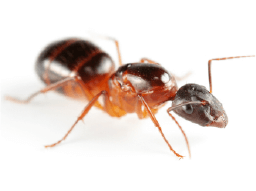
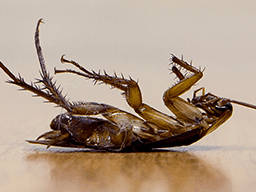
Broxton's sandy soil and extensive pine woodland influence how insects establish themselves around residential properties. The nearby Broxton Rocks landscape includes sandstone outcrops, blackwater streams, and longleaf pine habitat, creating a varied environment within Coffee County. Homes beside wooded tracts may experience increased activity from smokybrown cockroaches, which commonly shelter beneath loose bark, in tree cavities, and around moist organic debris. Fire ants can establish mounds in sunny lawns, driveways, and disturbed sandy ground, particularly where irrigation or rainfall maintains suitable soil conditions. These pests occupy different parts of a property, so treating every insect problem as an indoor infestation can overlook its actual source.
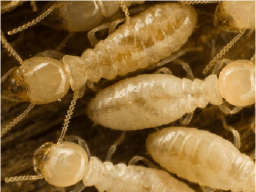
Broxton is connected to Douglas, Nicholls, Ambrose, and Hazlehurst through a landscape of timberland, rural roads, and small agricultural communities. Compared with the commercial surroundings of Douglas, many Broxton properties have more direct contact with woodland edges and relatively undisturbed ground. Subterranean termites are another consideration where cellulose materials remain close to soil or crawl spaces experience prolonged dampness. Homeowners should monitor wood-to-ground contact, inspect foundation access points, and keep fallen branches and leaf litter away from exterior walls. A professional assessment can distinguish insects entering temporarily from established colonies requiring treatment. Terminix can recommend pest control based on observed conditions rather than relying on the same treatment approach for every property.
Bio-Rational Materials
Bark, pine litter, and shallow outdoor shelter can explain insect sightings at a Broxton house even when indoor rooms are clean. Before considering bio-rational materials, Terminix can help determine whether the insects are nesting outside, entering through roof openings, or established within the structure. Materials chosen for a specific pest may limit unnecessary applications, but still require correct placement and adherence to labeling. Removing debris from foundation edges and repairing attic entry points can make an appropriately targeted treatment more effective.
Commercial EcoControl
At Broxton service buildings and storage sites, timber debris and loading areas should be part of the inspection, not overlooked as outdoor space. Commercial integrated pest management calls for identifying the species, checking delivery and waste routines, reducing accessible shelter, and treating only where justified. Terminix can recommend a practical management plan suited to the property's actual operation. Recording where pests are seen can also help distinguish a recurring entry route from occasional movement through nearby woodland.