Pest Control in Lumber City, Georgia
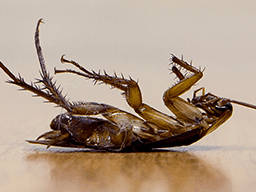
The Ocmulgee River is central to Lumber City's pest-control conditions. The city lies near the river's connection with the Little Ocmulgee, where wooded floodplain habitat and periodically saturated ground support moisture-associated insects. Mosquitoes may develop in standing water after heavy rainfall, particularly in containers, neglected drainage areas, and shallow water that remains long enough for larvae to mature. American cockroaches can occupy damp outdoor shelter and utility spaces, later moving into buildings through openings near plumbing or foundations. These insects require different control strategies, but both make water management an important concern for properties near the river corridor.
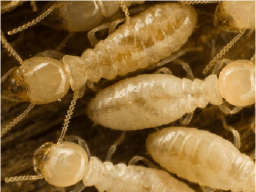
Lumber City is near Hazlehurst, McRae-Helena, Glenwood, and Uvalda, connected by highways that cross rural timberland and river-bottom environments. Unlike towns farther from the Ocmulgee floodplain, some Lumber City properties need to account for changing soil moisture and drainage conditions after substantial rainfall. Subterranean termites may establish concealed access where damp wood, soil contact, and insufficient foundation clearance occur together. Homeowners should inspect crawl spaces, clean drainage channels, remove standing water from containers, and monitor damaged exterior wood. Terminix can investigate suspected infestations and recommend treatment appropriate to the findings. Prevention should concentrate on how water moves around the individual property rather than assuming every home beside the river faces identical conditions.
Bio-Rational Materials
Near Lumber City's river-connected drainage, treatment placement deserves particular care. Bio-rational materials may be appropriate for a specific pest under approved application conditions, but choosing them does not remove environmental responsibilities. Terminix can evaluate insect identification, where water flows after rainfall, and whether correction of standing water would eliminate the breeding source. Exterior sanitation and improved crawl-space conditions may narrow the area requiring direct control. Treatments should remain confined to justified locations and follow product directions.
Commercial EcoControl
Commercial inspections near Lumber City's river crossings should begin at the lowest and wettest parts of each premises. Drains, loading thresholds, floor penetrations, and storage exposed to runoff can create distinct pest routes. Integrated pest management documents those routes and reduces accessible water, shelter, and food before selecting treatment. Terminix can recommend appropriate control while managers improve drainage maintenance and check conditions after significant rain. Repeated visits to the same wet corner without fixing its source are unlikely to provide durable prevention.