Pest Control in Douglas, Georgia
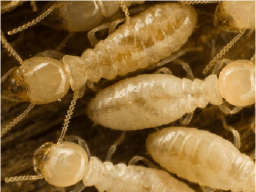
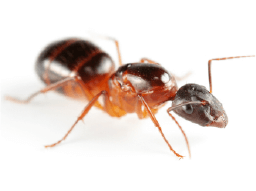
Douglas sits within southeast Georgia's wiregrass region, where pine forests, sandy ground, and agricultural landscapes surround developed neighborhoods. General Coffee State Park and the Seventeen Mile River reflect the area's mixture of wooded uplands and wetter low-lying environments. Around residential properties, ants may nest beneath landscape materials or follow protected routes toward kitchens and utility spaces. Subterranean termites can also exploit concealed access where susceptible wood remains near soil or persistent moisture. Sandy soil does not prevent termite activity, and the visible condition of a yard cannot determine whether structural infestation is present. Inspection should concentrate on accessible foundation areas, wood contact, and evidence of active insects rather than assuming the surrounding forest is the source of every problem.
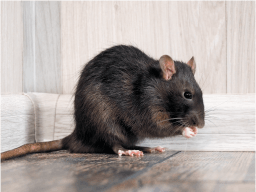
Established homes near downtown Douglas and Gaskin Avenue may have older porches, detached storage buildings, or additions that require attention during pest evaluations. Nearby Broxton, Nicholls, Ambrose, and Alma share aspects of the region's rural landscape, but Douglas has a more substantial concentration of residential and commercial buildings. Moisture can remain beneath shaded structures following rainfall, particularly where ventilation or drainage is inadequate. Mice may also investigate stored belongings in detached garages or sheds where protected openings provide access. Unlike Waycross, where rail-oriented commercial properties strongly influence the urban landscape, Douglas combines traditional residential streets with surrounding agricultural and wooded land. Property owners should identify the particular location and cause of recurring activity before deciding whether structural repairs, sanitation improvements, or targeted treatment are needed.
Bio-Rational Materials
Bio-rational materials may support selected insect control needs when correct identification and application conditions justify their use. In Douglas, maintaining dry structural spaces and limiting unnecessary shelter around buildings can complement treatment. Pest activity in wooded surroundings should not automatically result in broad pesticide applications. Product selection requires consideration of effectiveness, environmental exposure, and label instructions. Preventive repairs remain important where structural conditions encourage recurrence.
Commercial EcoControl
Commercial EcoControl emphasizes integrated pest management for businesses with storage areas, service entrances, and varied building ages. Douglas commercial properties may benefit from inspections that identify recurring moisture problems or pest access routes. Corrective maintenance and sanitation can reduce favorable conditions before additional treatments are considered. Terminix may be consulted for professional commercial pest management recommendations. Targeted controls and continued monitoring support effective prevention and responsible material use.