Pest Control in Lumpkin, Georgia
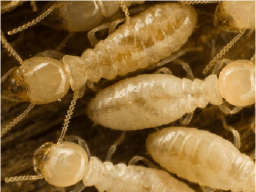
A slope in Lumpkin can direct rainwater toward just one wall of a house while leaving the opposite side dry. The erosion visible at nearby Providence Canyon illustrates why runoff and exposed soils deserve attention in this part of Stewart County. Where downspouts empty above a low crawl-space entrance or retaining wall, repeated wetting may soften wooden components and encourage concealed subterranean termite access. A useful inspection follows water downhill, checking foundation joints, sills, deck posts, and areas where soil washes against siding. Homeowners should correct those drainage conditions before replacing damaged wood, or the repaired section may face the same problem.
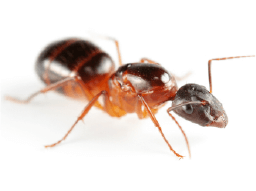
Lumpkin is near Richland, Cusseta, Plains, and Cuthbert; Columbus is the larger regional city. Its combination of historic buildings and uneven terrain differs from the flatter agricultural landscapes around Plains. Fire ants can establish colonies in sunny exposed soils, including newly graded paths, while carpenter bees can bore into unfinished porch boards protected from rain. Their signs should not be confused with termite galleries, and treatment depends on a reliable identification. Terminix can investigate active insects and recommend measures that address the species and the part of the building at risk. For an owner deciding where to spend on repairs, stabilizing water flow and preserving an inspectable foundation edge often deserve priority over broad treatment of ground that shows no relevant activity.
Bio-Rational Materials
In Lumpkin, the first question before selecting bio-rational materials is where the infestation begins relative to drainage and exposed soil. Terminix can evaluate whether selective treatment is suitable for the identified pest, then help direct attention to water diversion and damaged wood. Materials labeled for targeted use still require careful application; none should be represented as universally safe or effective. Treating only the relevant area can reduce unnecessary exposure while a homeowner completes essential maintenance.
Commercial EcoControl
A Lumpkin storefront or service building on a sloping lot may have different moisture conditions at its front and rear entrances. Commercial integrated pest management should map those differences, inspect stored items, improve sanitation, and repair openings before selecting treatment. Terminix can recommend pest control measures in response to documented evidence. Following a significant storm, staff should check drains and exterior walls so new water problems are addressed before insects exploit them.