Special OfferCall Now & Get $50 Off1 Pest Control2 or Quick Guard Mosquito Service3 or Save 10% on a termite plan4
Almost done. Just a few more details to get started.
Find Affordable, Expert Pest Exterminator in Crown Point, Indiana
Crown Point is a Lake County community south of Merrillville and Schererville, with a courthouse-centered historic district and growing neighborhoods toward St. John and Winfield. Within the greater Chicago region, older downtown structures and newer subdivisions present different opportunities for pest entry.
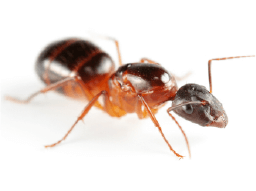
Mice around historic basements, ants at garage joints, and yellowjackets near outdoor gathering areas require careful assessment. Our preferred exterminators can help address recurring concerns, while Terminix is an option for professional pest-control services.
Terminix keeps your Crown Point home safe from intrusive pests
Terminix will prevent common household pests from entering your home, keeping your family safe.
Our services ensure that you have a clean, pest-free home without the worries of finding pests in your morning cereal. Everyone's familiar with the act of spraying, but there is a lot more to our experts' pest control services, including:
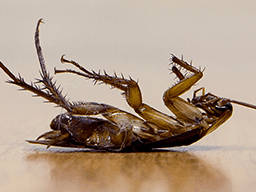
At Pest Control Experts, we want to make sure getting top-notch service and a pest-free home is easy for you? Once you give us a call, we can get you started with a free inspection with one of our preferred pest exterminators in Crown Point, Indiana. They will create a customized plan to create your home for all pests including termites, roaches, and more.
With our exterminators in Crown Point you'll receive
Free Inspection
Expert Technicians
Local Experts
Custom Treatment Plan
Zip Codes We Service In Crown Point, IN
46307
The Value of Pest Control in Crown Point
Finding the right Crown Point pest control provider isn’t always easy - from pricing to scheduling to consistency, there are a lot of concerns that need to be addressed.
With the right service provider, you’ll get the pest-free home you deserve, and with Termini, we’re here to do just that.
A Crown Point inspection may begin with the way a property is used rather than with weather. Near the old courthouse square, older shops and homes can have narrow setbacks, basement storage, and several generations of repairs. Mice may move through openings around rear entries or utility lines, especially where storage limits access to the lower walls. Retail tenants also need to know whether waste containers and deliveries attract activity behind their buildings. A detached home near the Lake County Fairgrounds presents a different picture: larger yards, sheds, and mature landscaping may shelter pavement ants or yellowjackets, with activity concentrated outside rather than between adjoining structures.
The city's residential expansion toward I-65 has produced newer properties with garage slabs, landscape beds, and patios that may develop ant trails at expansion joints. Nearby Merrillville, Schererville, St. John, and Winfield share the broader suburban landscape, but Crown Point still has a pronounced courthouse-centered core beside newer outlying development. During late summer, yellowjackets may become more conspicuous around outdoor food and refuse; identifying the nest location matters before any intervention. A useful plan for an older downtown building may focus on shared service spaces, whereas a subdivision inspection may begin with foundation joints and grading. The differences among those property types are more informative than treating Crown Point as one uniform suburban setting.
Bio-Rational Materials
Bio-rational materials can be part of a measured response when an inspection identifies the pest and the site where treatment would have value. Their use should not replace basic steps such as securing food, closing gaps, and removing favorable nesting conditions. Lower-impact choices still require correct application and an explanation of any precautions. Homeowners and shop operators can ask which options fit their property and why a targeted approach may be preferable to treating broad areas without clear evidence.
Commercial EcoControl
Crown Point businesses can apply Integrated Pest Management by making pest observations a routine part of property upkeep. That means checking delivery entries, trash handling, stored stock, and concealed service areas, then correcting conditions that encourage recurring activity. Downtown storefronts may need coordination where walls or rear passages connect, while outlying offices and event-oriented properties have different access patterns. Terminix may be an option for commercial pest-control inquiries; management should verify services, expectations, and responsibilities rather than relying on general program descriptions.
FAQs About Pest Control in Crown Point
A: Observe from a distance to determine whether insects are entering one opening; do not seal an active nest entrance or disturb the nest. Keep children and pets away, and seek professional identification if the nest is near routine activity.
A: Size and color alone are not enough for reliable identification. Photograph the insects closely, record their trails, and seek species identification before choosing a treatment, especially when activity continues indoors.
A: Explain the approximate nest location, when activity is highest, and whether anyone must pass close to it. Ask Terminix whether an appropriate service is available and what precautions occupants should follow while avoiding the area.