Special OfferCall Now & Get $50 Off1 Pest Control2 or Quick Guard Mosquito Service3 or Save 10% on a termite plan4
Almost done. Just a few more details to get started.
Find Affordable, Expert Pest Exterminator in Merrillville, Indiana
Merrillville lies in Northwest Indiana near Crown Point and Schererville, within the greater Chicago region. The I-65 and U.S. 30 interchange supports shopping centers, restaurants, hotels, and residential neighborhoods where frequent deliveries and shared building services create pest-management challenges.
Rodents near commercial refuse areas, cockroaches around plumbing, and ants along building foundations warrant careful investigation. Our recommended exterminators can help identify the source of activity, with Terminix available as an option to inquire about professional pest-control services.
Terminix keeps your Merrillville home safe from intrusive pests
Terminix will prevent common household pests from entering your home, keeping your family safe.
Our services ensure that you have a clean, pest-free home without the worries of finding pests in your morning cereal. Everyone's familiar with the act of spraying, but there is a lot more to our experts' pest control services, including:
At Pest Control Experts, we want to make sure getting top-notch service and a pest-free home is easy for you? Once you give us a call, we can get you started with a free inspection with one of our preferred pest exterminators in Merrillville, Indiana. They will create a customized plan to create your home for all pests including termites, roaches, and more.
With our exterminators in Merrillville you'll receive
Free Inspection
Expert Technicians
Local Experts
Custom Treatment Plan
Zip Codes We Service In Merrillville, IN
46410
The Value of Pest Control in Merrillville
Finding the right Merrillville pest control provider isn’t always easy - from pricing to scheduling to consistency, there are a lot of concerns that need to be addressed.
With the right service provider, you’ll get the pest-free home you deserve, and with Termini, we’re here to do just that.
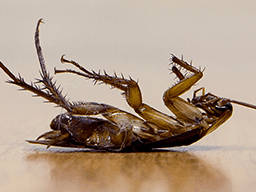
A restaurant's exterior door, a shopping-center trash enclosure, and a hotel service entrance may be only a short drive apart in Merrillville, yet each presents a different route for pests. Along the U.S. 30 retail corridor, frequent deliveries and shared waste areas can attract rodents when food debris accumulates or containers fail to close properly. Cockroaches may also establish themselves in warm, concealed spaces around food preparation and plumbing. Commercial activity matters here more than it does in quieter neighborhoods on the edges of Lake County: repeated movement of supplies makes sanitation and loading-area inspections important even when a property looks orderly from the road.
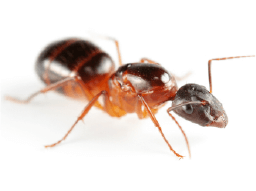
Homes near 73rd Avenue and the more residential sections north and south of the retail district have different concerns. Pavement ants can enter at slab joints and foundation cracks, especially after rain disturbs outdoor nesting areas. During cold spells, mice may seek accessible garages or utility openings beside heated rooms. Schererville and Griffith share the region's road network, while Crown Point and Hobart connect the town to other residential and commercial centers; none has quite the same concentration of large retail sites at the I-65 and U.S. 30 crossroads. A sound inspection considers whether activity originated around a particular tenant space, a shared service corridor, or the building perimeter before a treatment approach is selected.
Bio-Rational Materials
When pest activity concentrates around a particular entry or nesting site, selecting a narrowly directed treatment can limit unnecessary exposure elsewhere. Bio-rational pest management weighs the pest species, the site, and the way a material works rather than assuming every infestation needs the same application. Correcting outdoor food sources and sealing openings remain part of that decision. Owners should ask which lower-impact options are suitable, what limitations they have, and what follow-up observations can show whether the infestation is declining. This keeps attention on confirmed harborage rather than treating every tenant area alike.
Commercial EcoControl
Commercial buildings with multiple occupants need a clear plan for shared conditions, not isolated applications in whichever unit reports pests first. An Integrated Pest Management approach examines receiving doors, trash handling, drains, and adjoining spaces, then pairs prevention with treatments where justified. In Merrillville's shopping and hospitality properties, communication among tenants, maintenance crews, and management can be important. Terminix may be considered when requesting commercial pest-management options; specific services and practices should be confirmed with the provider rather than assumed. Documented reports from separate businesses can also help distinguish shared issues from isolated incidents.
FAQs About Pest Control in Merrillville
A: Rodents can follow wall voids, suspended ceilings, and utility passages from a loading or waste area to occupied rooms. Mapping droppings and gnawing evidence along the route is more useful than treating each sighting as a separate problem.
A: Compare dated observations across shifts and check whether fresh evidence repeatedly appears in the same area. A single report warrants identification, but repeated activity, egg cases, or droppings can justify a more extensive investigation.
A: Ask Terminix what documentation and follow-up options may be available for the relevant commercial service. Clarify how the manager will receive findings and distinguish newly observed activity from earlier reports.
A: Yes. Very small joints around slab edges, threshold gaps, and penetrations may still allow entry. Follow trails to determine whether insects are nesting outside or accessing a concealed indoor void before sealing the route.