Special OfferCall Now & Get $50 Off1 Pest Control2 or Quick Guard Mosquito Service3 or Save 10% on a termite plan4
Almost done. Just a few more details to get started.
Find Affordable, Expert Pest Exterminator in Schererville, Indiana
Schererville grew around the U.S. 30 and U.S. 41 crossroads, where extensive shopping and dining sit beside established residential streets. Near Dyer and St. John in the Chicago region, its busy commercial intersections differ from the quieter older neighborhoods set back from the highways.
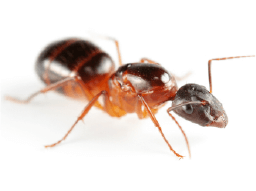
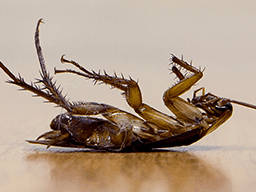
Rodents, cockroaches, and pavement ants can take advantage of service doors, food waste, and slab joints. Our preferred exterminators can help locate those conditions, and Terminix is an option for pest-control discussions.
Terminix keeps your Schererville home safe from intrusive pests
Terminix will prevent common household pests from entering your home, keeping your family safe.
Our services ensure that you have a clean, pest-free home without the worries of finding pests in your morning cereal. Everyone's familiar with the act of spraying, but there is a lot more to our experts' pest control services, including:
At Pest Control Experts, we want to make sure getting top-notch service and a pest-free home is easy for you? Once you give us a call, we can get you started with a free inspection with one of our preferred pest exterminators in Schererville, Indiana. They will create a customized plan to create your home for all pests including termites, roaches, and more.
With our exterminators in Schererville you'll receive
Free Inspection
Expert Technicians
Local Experts
Custom Treatment Plan
Zip Codes We Service In Schererville, IN
46375
The Value of Pest Control in Schererville
Finding the right Schererville pest control provider isn’t always easy - from pricing to scheduling to consistency, there are a lot of concerns that need to be addressed.
With the right service provider, you’ll get the pest-free home you deserve, and with Termini, we’re here to do just that.
At Schererville's U.S. 30 and U.S. 41 intersection, repeated traffic through restaurants, retail stores, and shared shopping-center service yards creates practical pest-control challenges. Rodents may investigate waste areas where containers remain open or food debris accumulates after closing. Cockroaches may be found around warm plumbing spaces in commercial kitchens, while pavement ants can follow cracks beneath doors and along storefront sidewalks. These are not interchangeable problems, and an inspection should follow the actual location of evidence. A few mice near a dumpster indicate different corrective needs from cockroach sightings behind food-preparation equipment.
Schererville's older residential areas away from the crossroads have mature landscaping and smaller building footprints, giving homeowners a different set of access points to inspect. Nearby Dyer, St. John, Highland, and Crown Point share Northwest Indiana's suburban setting, but Schererville's concentration of commercial activity at two major highways places unusually heavy emphasis on deliveries and shared property management. In wet spring weather, ant trails may become visible around patios and sidewalk gaps. During cooler periods, door sweeps and exterior storage become more relevant for rodent activity. For a mixed-use property, the strongest prevention steps may involve multiple occupants agreeing on trash schedules, repairing a service entry, and documenting activity across the site rather than ordering separate treatments for each unit.
Bio-Rational Materials
Bio-rational materials can be considered when an identified pest and a specific treatment area support their use. In busy commercial settings, preventing access to food and checking plumbing or door conditions often deserve attention before product selection. Targeted options may reduce treatment in unaffected spaces, but correct application and label compliance remain essential. Business owners and residents should ask how a recommended material fits the particular source of activity and what other changes can reduce reinfestation.
Commercial EcoControl
Integrated Pest Management suits Schererville's shared shopping centers because it examines both tenant behavior and common property conditions. A plan can document waste areas, delivery openings, utility spaces, and reported pest locations, then prioritize cleaning, repairs, exclusion, and necessary treatments. Property managers should keep responsibilities clear where several businesses use one enclosure or loading area. Terminix can be considered for commercial pest-control services, but available options and any site-specific work should be confirmed directly. Document tenant observations across the property.
FAQs About Pest Control in Schererville
A: Other waste sources, exterior shelter, and remaining access points may continue supporting activity. Check the common property as well as the affected unit to determine whether the original cause was fully addressed.
A: Notify the designated supervisor promptly and include the location, time, and a photograph when possible. Avoid moving suspect insects or contaminated materials through food-preparation areas unnecessarily.
A: Ask whether Terminix offers an evaluation suitable for the property and provide a dated map of all reported sightings. Clarify how findings would be communicated so that an isolated report is not automatically treated as a property-wide infestation.
A: Outdoor pavement ants often follow visible trails toward joints or thresholds. Repeated emergence from an interior crack can indicate a concealed source, so preserve a specimen for identification before selecting a response.