
The Most Common Types of Wasps and How Homeowners Can Manage Them
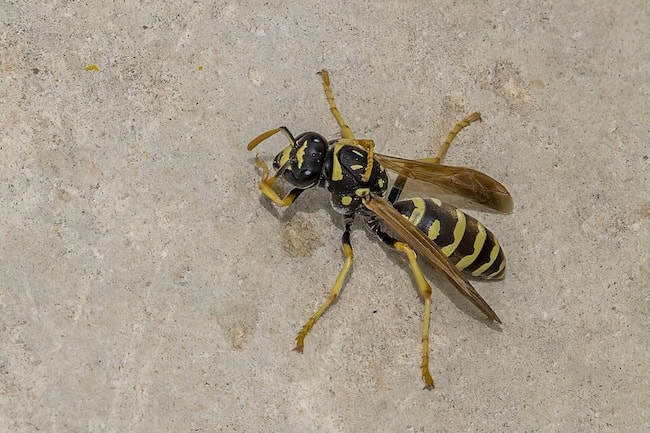
When the weather warms up, wasps start showing up around patios, porches, and gardens. You might spot them hovering near a fence post or building a small paper wasp nest under the eaves. While their presence can make anyone nervous, wasps actually serve an important purpose in nature. They help control other insects that can damage plants or sneak into homes.
Still, not all wasps behave the same way. Some are calm and stay out of the way, while others can become defensive if you get too close to their nest. Knowing which type you’re dealing with can help you decide which course of action to take and whether it’s time to call in a professional.
This guide will walk you through the most common types of wasps found around U.S. homes, what their behavior means, and ways to prevent having wasp nests around your home.
5 Common Types of Wasps Found Around Homes
Before diving into the details of each species, here’s a quick reference table that summarizes where these wasps typically nest, how large their colonies grow, and how they behave throughout the year.
| Wasp Type | Nest Location | Colony Size | Typical Behavior | Seasonal Activity |
| Paper Wasps | Under eaves or porch ceilings | Dozens to 100 | Mild; sting when disturbed | Spring to Fall |
| Yellowjackets | Underground or wall voids | 100s to 1,000s | Highly defensive near nests | Late Summer peak |
| Bald-Faced Hornets | Hanging nests in trees or eaves | 300 to 700 | Territorial; avoid disturbance | Mid to late Summer |
| European Hornets | Hollow trees, attics, or walls | 100s | Active at night; moderate defense | Day and Night |
| Solitary Wasps | Mud tubes or soil burrows | Solitary | Non-aggressive, spider predators | Summer |
Now, let’s take a closer look at each type of wasp homeowners across the U.S. are most likely to encounter.
1. Paper Wasps (Polistes species)
Paper wasps are long-legged and slender, about ¾ to 1 inch long. Their coloring varies; some species are reddish-brown, others black with yellow markings. They have a thin “waist” and a slow, dangling flight pattern, making them easy to spot.
Nesting habits: These wasps create open, umbrella-shaped nests made from chewed wood fibers mixed with saliva. You’ll often find them under eaves, porch ceilings, deck railings, and even in light fixtures. Each nest begins in early spring when a queen starts building and raising her first brood of workers.
Behavior: Paper wasps are among the least aggressive social wasps. They mainly feed on caterpillars and soft-bodied insects, helping to reduce garden pests. However, they will sting if their nest is directly threatened. Colonies usually last only a season before dying off when cold weather arrives.
Homeowner tip: If a nest is away from doorways or high-traffic areas, it can often be left alone until winter. For nests near patios or entrances, contact a licensed pest control professional to handle removal, rather than using aerosol sprays or attempting to knock it down yourself.
2. Yellowjackets (Vespula and Dolichovespula species)
Yellowjackets are short, stocky wasps with vivid yellow and black stripes. Workers are about ½ inch long and fly quickly, often hovering around food or trash. They can be confused with bees, but have a thinner waist and a smoother body.
Nesting habits: Most yellowjackets build enclosed paper nests underground, typically in abandoned rodent holes. Some species nest in wall voids, attics, or trees. A single colony can grow to thousands of workers by late summer, making them one of the most problematic wasps around homes.
Behavior: Yellowjackets are highly defensive and can sting multiple times. They are especially active in late summer, when they switch from hunting insects to scavenging for human food such as soda, fruit, and grilled meats. Vibrations from lawn equipment or footsteps near a nest can trigger an attack.
Homeowner tip: Never attempt to dig up or spray a yellowjacket nest yourself. These nests are best handled by professionals who have protective equipment and the appropriate treatment materials. If you notice a steady flow of wasps entering and leaving a single ground hole, avoid the area and call for help.
3. Bald-Faced Hornets (Dolichovespula maculata)
Bald-faced hornets are larger than most wasps, about ⅝ to ¾ inch long, and are easily identified by their black bodies and distinctive white markings on the face and abdomen.
Nesting habits: They build large, enclosed gray paper nests that can grow to the size of a football or even larger. Nests are typically suspended from tree branches, shrubs, roof edges, or building overhangs.
Behavior: These hornets are extremely protective of their nests and respond aggressively to any nearby movement. A colony can contain several hundred individuals. Despite their defensive nature, they help control flies, caterpillars, and other insects.
Homeowner tip: If you discover a bald-faced hornet nest near your home, keep your distance. Do not attempt to remove or spray the nest. Because these wasps can sting repeatedly and in large numbers, only licensed professionals should handle them.
4. European Hornets (Vespa crabro)
European hornets are the largest social wasps in the U.S., reaching up to an inch and a half in length. They have brownish bodies with yellow abdominal bands and reddish wings.
Nesting habits: They prefer hollow trees, wall voids, attics, and other enclosed spaces. Unlike most wasps, European hornets are active both day and night and are often attracted to porch or window lights after dark.
Behavior: These hornets are less likely to sting unless provoked near their nest. They prey on large insects such as grasshoppers, moths, and beetles. Colonies can contain several hundred workers and operate from spring until early fall.
Homeowner tip: If you see large hornets flying near vents or gaps in siding, especially at night, avoid sealing the openings yourself. This can trap hornets indoors. A professional inspection is the best way to locate and treat the nest.
5. Solitary Wasps (Mud Daubers and Cicada Killers)
Solitary wasps live alone rather than in colonies. Mud daubers are thin, metallic blue or black, and usually about 1 inch long. Cicada killers are much larger, up to an inch and a half in length, with reddish-brown bodies and yellow markings.
Nesting habits: Mud daubers construct small mud tubes on walls, rafters, and in sheds or garages. Inside each tube, they place paralyzed spiders as food for their larvae. Cicada killers dig burrows in sandy or loose soil, often in open sunny areas such as flowerbeds or along sidewalks.
Behavior: Solitary wasps are docile and rarely sting. Males may hover or “buzz” around but cannot sting at all. They are beneficial insects that help control spiders and cicadas.
Homeowner tip: Unless the nests are in sensitive areas, it’s usually fine to leave solitary wasps alone. If cicada killers become bothersome, watering dry areas and maintaining healthy turf can make your yard less appealing to them.
5 Smart Ways to Prevent Wasp Nests Around Your Home
If the wasp problem around your home has already been taken care of and you don’t want them coming back, here are 5 smart ways to keep them from nesting again.
- Inspect early in the season: Check eaves, porch ceilings, sheds, and outdoor fixtures in early spring. Queens begin building small nests at this time, and a single paper comb can be easily removed before the colony expands. Early inspections prevent larger infestations later in the summer.
- Use natural deterrents when possible: Wasps dislike certain scents, such as peppermint, clove, and lemongrass. Spraying a light mixture of essential oil and water on eaves, decks, or porch railings can help discourage them from returning. Reapply weekly during peak season.
- Avoid attracting wasps with food and smells: Wasps are drawn to protein and sugary items. Keep trash bins closed, clean up spilled drinks, and move pet food indoors after feeding. In late summer, when foraging shifts from insects to sweets, maintaining clean outdoor areas can reduce unwanted visits.
- Seal entry points and potential nesting sites: Inspect your home for small openings under siding, vents, or roof gaps. Seal cracks with caulk and repair torn window screens. Wasps often reuse sheltered crevices, so keeping these areas sealed reduces future nesting.
- Maintain yard conditions that discourage nesting: Trim shrubs and trees near structures, remove old wood piles, and clear debris from around fences or sheds. Ground-nesting wasps prefer dry, loose soil—watering lawns regularly and filling burrows can make these areas less appealing to them.
When to Call a Pest Control Professional
If you find an active yellowjacket or bald-faced hornet nest that’s large, hard to reach, or showing a lot of defensive activity, it’s best not to try to remove it on your own. These wasps react quickly to movement or vibration, and disturbing them—even unintentionally—can trigger a swarm response and increase the risk of multiple stings.
Pest control professionals have the training and protective equipment to handle these situations carefully. They understand the behavior of different wasp species and follow established methods to manage nests that are inaccessible or aggressive.
If the nest is inside a wall or attached to a high surface, avoid spraying or disturbing it. Leaving the area alone until a trained technician can inspect it helps prevent the wasps from spreading or becoming more defensive.
Avoid Wasp Attacks and Get Help with Pest Control Experts
Avoid putting yourself at risk by trying to remove an aggressive wasp nest on your own. Yellowjackets and bald-faced hornets can become defensive when disturbed, and even small movements near their nest can lead to painful stings.
Pest Control Experts connects you with local pest control professionals who have the training and protective equipment to handle wasp nests in areas that are reasonably accessible around your property.
It’s better to leave an active nest undisturbed than to risk getting stung while trying to remove it. Request a quote today and let a trained professional assess the situation before it becomes more difficult to manage.
Frequently Asked Questions About Wasps
Here are some commonly-asked questions about the different kinds of wasps homeowners might find.
A: An active nest will have regular traffic of wasps entering and leaving through 1 or 2 openings. You might also hear faint buzzing near the structure. Empty or abandoned nests usually appear dry, brittle, and quiet.
A: Wasps don’t typically damage structures, but they can build nests inside wall voids, vents, or attics. This may cause minor staining or material buildup over time, especially if moisture is present.
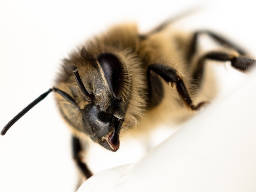
A: Wasps have smooth, slender bodies, while bees are rounder and covered in fine hairs. Wasps have narrow waists, longer legs, and brighter yellow or black coloring. Bees appear fuzzier and are usually seen visiting flowers rather than hovering around food or trash.