
What Are Horse Flies? Why They Bite and How to Lower Your Risk
Key Takeaways
- Horse flies are large, fast-moving biting flies commonly found near wetlands, ponds, lakes, wooded areas, pastures, and other warm, humid outdoor environments.
- Only female horse flies bite because they need blood to produce eggs. People, pets, and livestock can all become targets.
- Horse flies are attracted to movement, dark colors, body heat, and carbon dioxide, which is why outdoor activities like mowing, hiking, walking pets, or spending time near water can increase bite risk.
- Horse fly bites are often painful because these flies cut the skin rather than piercing it like mosquitoes. Bites may cause redness, swelling, itching, tenderness, or raised welts.
- Most horse fly bites are not medically serious, but scratching can increase the risk of irritation or infection. Pets should also be monitored if they lick or chew at bite sites.
- Horse flies are most active during daylight hours, especially on warm, sunny days from late spring through summer.
- Homeowners can lower their risk by wearing light-colored, loose-fitting clothing, avoiding peak activity times, using outdoor fans, reducing unnecessary standing water, and using EPA-registered repellents according to label directions.
- Persistent horse fly activity may be difficult to manage without professional help, especially for properties near water, woods, fields, or livestock areas.
If you’ve ever spent time outdoors in the warmer months and suddenly felt a sharp, painful bite, there’s a good chance a horse fly was responsible. Unlike mosquitoes, which often go unnoticed until after they bite, horse flies tend to make their presence known immediately.
But what are horse flies, and what attracts them to people? Below, we’ll break down what you should know about horse flies and realistic ways to reduce bites around your property.
What Are Horse Flies?
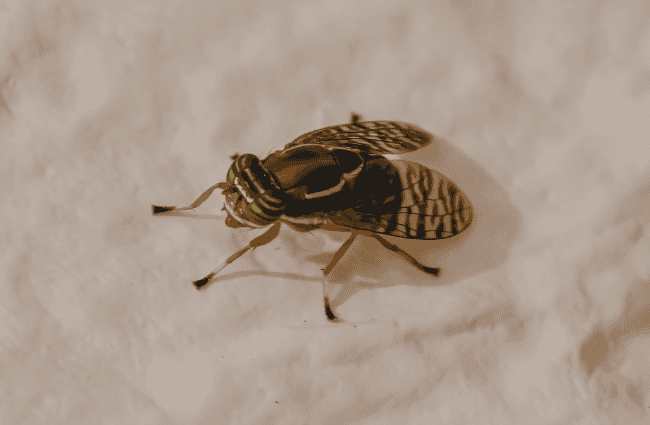
Horse flies are large, fast-moving flies that belong to the Tabanidae family. They are commonly found across the United States, particularly in rural and suburban areas near wetlands, ponds, and lakes, as well as in wooded areas.
Adult horse flies are usually:
- Larger than common house flies.
- Gray, black, or brown in color.
- Equipped with prominent eyes.
- Strong fliers that are difficult to swat.
Unlike many other biting insects, only female horse flies bite. They require blood to develop their eggs, while male horse flies feed primarily on nectar and plant juices. Horse flies are most active during daylight hours and thrive in warm, humid conditions, which explains their prevalence during late spring and summer in many parts of the U.S.
Why Do Horse Flies Bite People and Pets?
A common question homeowners ask is why horse flies bite people and pets so aggressively. It comes down to biology and the signals these insects use to locate a host.
Female horse flies bite because they need protein from blood to reproduce. Humans, pets, and livestock can all serve as hosts, especially when they are spending time outdoors. Pets, in particular, may attract horse flies because of their body heat, movement, and scent. Horse flies are attracted to:
- Movement, especially fast or repetitive motion.
- Dark colors (including black, navy, and deep blue).
- Body heat from people and animals.
- Carbon dioxide released through breathing.
Horse flies rely heavily on visual and sensory cues, so outdoor activities such as mowing the lawn, walking pets, hiking, or spending time near water can increase the likelihood of bites for both people and animals.
What Does a Horse Fly Bite Feel Like?
A horse fly bite is often described as more painful than a mosquito bite, and for good reason. Horse flies do not pierce the skin with a thin, needle-like structure. Instead, they use scissor-like mouthparts that cut the skin, allowing blood to pool.
Common symptoms of a horse fly bite may include:
- Immediate sharp pain.
- Redness and swelling around the bite site.
- Itching or tenderness.
- A raised welt.
For most people, symptoms remain mild and improve within a few days. However, some individuals may experience more pronounced swelling or irritation. Larger biting flies can cause more noticeable skin reactions because of how they feed.
Are Horse Fly Bites Dangerous?
For most people and pets, a horsefly bite is uncomfortable but usually not medically serious. Bites can occasionally lead to complications if the area is scratched repeatedly or becomes infected, which may result in increased swelling, warmth around the bite, or signs of infection such as pus or spreading redness.
Individuals with insect-bite sensitivities, weakened immune systems, or pets that lick or chew at bite sites may experience more severe reactions and should be monitored closely. If symptoms worsen, signs of infection appear, or a pet shows unusual behavior after a bite, medical or veterinary care may be recommended.
While horse flies can mechanically transmit certain pathogens, transmission to humans in the U.S. is considered uncommon.
Where Are Horse Flies Commonly Found?
Horse flies are typically outdoor pests and are rarely found indoors. They prefer environments that support their breeding and feeding habits.
Common locations include:
- Near ponds, lakes, and marshes.
- Along wooded trails.
- Pastures and open fields.
- Backyards near standing water.
Larvae develop in moist soil or aquatic environments, which is why properties near water sources may see higher horse fly activity.
When Are Horse Flies Most Active?
Horse flies are primarily daytime biters, unlike mosquitoes, which tend to be more active at dawn or dusk. Their activity typically peaks from late spring through summer, especially on warm, sunny days, with the highest biting pressure often occurring during midday hours.
Understanding when horse flies are most active can help homeowners better plan outdoor activities, reduce exposure for both people and pets, and take practical steps to stay more comfortable outside.
How to Reduce Horse Fly Bites Around Your Home in 5 Ways
While it’s not realistic to eliminate horse flies entirely from outdoor environments, here are 5 practical ways homeowners can take to reduce exposure and limit bites for both people and pets.
1. Wear Light-Colored Clothing
Horse flies are visually attracted to dark colors, especially black, navy, and deep blue. Choosing light-colored clothing may make people less noticeable to these insects.
When spending time outdoors, wearing long sleeves, long pants, and loose-fitting fabrics can also help reduce exposed skin and make it harder for horse flies to land and bite.
2. Avoid Peak Horse Fly Activity Times
Horse flies are most active during the middle of the day, particularly on warm, sunny days in late spring and summer. Planning outdoor activities for earlier in the morning or later in the evening may help reduce encounters.
This can be especially helpful when walking pets, working in the yard, or spending extended time outside.
3. Use Fans in Patios and Outdoor Seating Areas
Although horse flies are capable fliers, steady air movement can make it more difficult for them to land. Using fans on patios, decks, or porches may help discourage horse flies from lingering in areas where people gather, making outdoor spaces more comfortable.
4. Reduce Standing Water Where Possible
Horse flies develop in moist environments, often near water sources such as ponds, marshes, or wet soil.
While not all water features can or should be removed, reducing unnecessary standing water (such as clogged gutters, low spots in the yard, or containers that collect rainwater) may help limit conditions that attract biting insects.
5. Be Cautious When Using Insect Repellents
Some products may help deter biting flies, but their effectiveness can vary by product and environmental conditions. When using repellents, homeowners should select products registered with the Environmental Protection Agency (EPA) and follow all label instructions carefully.
When to Call a Pest Control Professional
In situations where horse fly activity is frequent or disruptive, a pest management professional can assess the property’s environmental conditions and identify factors contributing to ongoing pressure.
Professional pest control treatments focus on reasonably accessible areas and are designed to reduce horse fly activity. This type of support can be especially useful for homes near wetlands, wooded areas, or open fields.
FAQs About Horse Flies
Here are some commonly-asked questions about horse flies that homeowners tend to ask.
Why do horse flies seem to chase people or pets?
Horse flies are strong visual hunters and are particularly sensitive to movement. When a person or pet walks, runs, or swats at them, the motion can trigger continued pursuit.
Unlike mosquitoes, which often land quietly, horse flies may circle or follow a moving host, making encounters feel more aggressive even though the behavior is driven by attraction cues rather than defense.
Do horse flies bite through clothing?
Horse flies can bite through thin or tight-fitting clothing, especially if the fabric is stretched against the skin. This is why loose-fitting clothing is often recommended when spending time outdoors. Thicker fabrics and layered clothing may reduce skin exposure, though no clothing provides complete protection.
Why do horse fly bites sometimes take longer to heal?
Horse fly bites may take longer to heal than mosquito bites because of how the insect feeds. Instead of piercing the skin, horse flies cut the surface, which can lead to more tissue irritation. Scratching or repeated contact with the bite can further slow healing, especially for people or pets with sensitive skin.
Manage Ongoing Horse Fly Activity Around Your Home with Pest Control Experts
Occasional horse fly encounters are common during warmer months, but repeated bites can make outdoor spaces less enjoyable for both people and pets. When horse fly activity persists despite prevention efforts, seeking professional guidance may help clarify what’s driving the issue and the available options.
Pest Control Experts connects homeowners with local pest control professionals who are familiar with seasonal pest patterns and regional conditions. Exploring available services can help homeowners make informed decisions about managing outdoor pest activity and enjoying their outdoor spaces with greater peace of mind.