

On warm evenings, it’s common to see flying insects swarming around porch lights, patio scones, or even your reading lamp by the window. The behavior might seem random, but there’s a science behind it. Whether it’s moths or gnats, the question lingers: why are insects attracted to light?
More importantly, how to get rid of insects attracted to lights without sacrificing your outdoor enjoyment? Let’s shed some light on the mystery, dive into the science behind insect behavior, and explore practical steps you can take to reduce these nighttime visitors.
Why Are Insects Attracted to Light?
You’ve likely asked this question after watching a moth repeatedly crash into your patio light: why are insects so drawn to light? However, scientists have not settled on a single explanation. Two theories attempt to explain this typical behavior:
1. Confusing Artificial Light for the Moon
Insects often mistake artificial lights for the moon. Many flying insects navigate by maintaining a steady angle to distant light sources such as the moon or stars. However, artificial lights are much closer and emit light in all directions. When insects apply their natural navigation instincts to these lights, they end up spiraling inward, circling, or crashing into the bulbs.
It’s not just navigation that’s affected; orientation plays a role too. A study published in Nature Communications explains that insects use light to determine which way is “up” through a behavior called the dorsal light response.
In nature, the brightest light comes from above, which is the sky, helping insects maintain proper balance. But artificial lights coming from the side or below confuse their internal sense of direction, causing erratic flight patterns and repeated collisions with the light source.
Together, these factors show why insects behave erratically around artificial lights. They aren’t intentionally drawn to your porch light. They’re simply disoriented by a setting their instincts aren’t adapted to.
2. Following Warmth, Not Light
Another theory revolves around heat. Many insects are more active in warm weather, so some researchers believe they may be drawn to light because of the heat it produces. Mosquitoes, in particular, are known to seek out heat sources.
Traditional incandescent and halogen bulbs emit significant warmth, potentially luring certain bugs in. However, this theory doesn’t hold up for all insects, especially since LED lights, which emit minimal heat, tend to attract fewer bugs.
What Types of Insects Are Attracted to Light?
Not all insects are attracted to outdoor lights, but many display a behavior known as phototaxis, which is the way organisms move in response to light. Just as houseplants gradually turn toward a window to soak up sunlight, certain insects respond similarly.
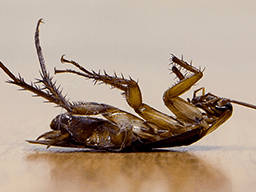
Some bugs move toward light sources and exhibit positive phototaxis, while others, such as cockroaches and silverfish, avoid light, showing negative phototaxis. The insects drawn to outdoor lighting typically share a few key traits: they are nocturnal, rely on light cues for navigation, and have eyes that are especially sensitive to certain wavelengths like ultraviolet (UV) and blue light.
Here are some of the most common insects that fit this profile:
- Moths: They are among the most well-known bugs attracted to light. Their navigation relies heavily on celestial light, making them particularly vulnerable to artificial sources.
- Beetles: Many beetle species, including Japanese beetles and June bugs, are strongly phototactic and often crash into light bulbs.
- Gnats and midges: These tiny pests tend to swarm near lights, especially in humid climates or near water.
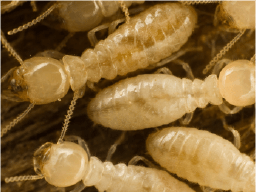
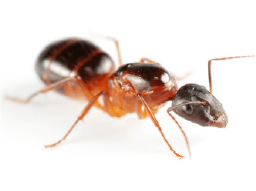
- Flying ants and termites: During their swarming phases, flying ants and termites are often seen circling porch lights in large numbers.
- Mosquitoes: While not as strongly drawn to light as other insects, they may still hang around well-lit areas if other attractants, like body heat and carbon dioxide, are nearby.
- Stink bugs and leafhoppers: Though less common, these agricultural pests may also follow artificial lights, especially during mating seasons or migratory patterns.
What Color Light Does Not Attract Insects?
Now that you understand why insects are attracted to light, you might be wondering: what color light does not attract insects? The answer lies in how insect eyes perceive different wavelengths. They are most sensitive to shorter wavelengths, especially UV, blue, and green, which appear brightest and most enticing to them.
As a result, bulbs that emit cool white or bluish hues tend to attract the most insects. On the other hand, longer wavelengths, such as yellow, orange, and particularly red, are far less noticeable and appealing. Here’s a quick comparison of light colors and their impact:
- Cool white and blue light: These have a high attraction rate, especially for moths and gnats.
- UV light: This is extremely attractive to most insects and is often used in bug zappers to lure them in.
- Yellow “bug lights”: These are specifically designed to be less visible to insects.
- Amber LEDs: These lights produce minimal blue light and are known to attract fewer bugs.
- Red or orange-tinted lights: These are the least attractive to insects, although they may not be ideal for general visibility.
4 Common Outdoor Lighting Mistakes That Attract Insects
Without realizing it, many homeowners create the perfect conditions for a bug invasion simply by how they install or use their outdoor lighting. Here are a few mistakes to avoid:
- Leaving lights on all night: Constant lighting gives bugs unlimited time to gather. It also attracts predators like frogs and spiders, which can bring more critters close to your home.
- Using bright, cool-toned bulbs: The brighter and bluer the light, the more visible it is to insects. High-lumen floodlights or daylight-toned LEDs can be especially problematic.
- Positioning lights near entry points: Lights placed near doors or windows lure bugs close, increasing the chance they’ll sneak inside when you open the door.
- Poor fixture design: Outdoor light fixtures that leave bulbs exposed allow UV light to scatter in multiple directions, increasing insect attraction. Open fixtures or those with clear glass offer no barrier, making the light more visible and inviting to bugs.
How to Get Rid of Insects Attracted to Lights
If you’re tired of dealing with insects every time you flip a switch outdoors, there are several strategies you can put into practice. Here’s a breakdown of how to get rid of insects attracted to lights.
Swap Out Your Bulbs
Start with the most direct solution: switch to yellow or amber LED bulbs. Look for bulbs labeled as “bug lights,” “warm white,” or “low UV output,” ideally with a color temperature under 3,000K. Avoid traditional halogen and incandescent bulbs since they produce more heat and ultraviolet light, both of which draw bugs in.
Use Motion-Sensor or Timed Lighting
Instead of leaving outdoor lights on all night, install motion-sensor lights that only activate when movement is detected. This significantly reduces the amount of time your lights are on, limiting insect attraction. Alternatively, use timers to ensure lights operate only during peak activity hours for bugs, typically from dusk until midnight, helping minimize unnecessary illumination.
Adjust Your Light Placements
Lights near doors, windows, or outdoor seating will naturally pull insects closer to areas you want to keep these bugs away. Try moving light sources away from your home’s entry points and gathering areas.
Instead of placing a bright porch light directly above the door, install pathway or landscape lighting a few feet away to redirect insect activity elsewhere. Uplighting trees or placing small fixtures at a distance can still provide ambiance and visibility without creating an insect magnet at your front step.
Install Physical Barriers
Even with the best lighting choices, bugs may still try to get close. For outdoor seating areas, consider mesh curtains, screened-in patios, or gazebos with netting. These barriers let light in but physically block insects from buzzing around your face or food.
It’s an excellent option for dining areas, outdoor kitchens, or lounge spaces where people tend to gather after dark. Some homeowners even install retractable screens that can be pulled down only when needed.
Use Strategic Landscaping
Your landscaping can either help deter insects or invite more of them. Trim back bushes, trees, and vines that touch your home, especially around lighting fixtures. Overgrown vegetation creates perfect resting spots for insects, which then gravitate toward the nearby light.
Consider avoiding planting flowering plants near your porch or patio lights, as their nectar and scent attract pollinators like moths, beetles, and other nighttime flyers. Instead, plant natural insect repellents like lavender, basil, citronella, lemongrass, or marigolds near entryways.
Install Light Shields or Hoods
Many outdoor fixtures emit light in every direction, including up and out, which creates glare and attracts bugs from further distances. A simple way to fix this is by adding shields or hoods that direct light downward toward the ground.
This keeps the light focused where it’s needed, like walkways or steps, while limiting the glow insects can see from afar. It also reduces light pollution, which can confuse nocturnal animals and disturb natural habitats.
Use Outdoor Fans
Flying insects aren’t strong fliers, especially mosquitoes and gnats. A fan on your porch or patio can create enough airflow to keep them at bay, especially when combined with better lighting choices.
Consider Insect Traps
While lighting changes can help reduce attraction, pairing them with insect traps can further minimize flying pests. UV light traps or bug zappers can be strategically placed away from your home to lure insects in and kill them before they reach your porch or windows.
These traps work best when set up in dark, open areas where they won’t compete with other light sources. Just be sure to place them at least 10–15 feet away from patios, doors, or seating areas. Otherwise, you’ll end up drawing bugs closer instead of pushing them away.
Seal Entry Points
Even if your outdoor lighting attracts bugs, you don’t want them getting inside. Check for gaps around doors, windows, vents, and pipes, especially those closest to your light sources. Use weather stripping, caulk, or door sweeps to close up cracks. Also, repair or replace damaged window and door screens, and install screened vents where needed.
Work With a Pest Control Professional
Sometimes, adjusting lighting and making a few home improvements isn’t enough. If your home is constantly swarmed with bugs no matter what you do, it may be time to consult a pest control service.
Professionals can identify exactly why insects are attracted to light around your home and determine how to get rid of insects attracted to lights effectively and long-term. They’ll assess the species involved, locate any potential breeding grounds, and create a targeted plan based on your home’s unique conditions.
In many cases, bugs gathering near your lights can signal a broader pest issue, like nearby nests, ongoing infestations, or even structural and environmental problems like standing water or food sources left out.
FAQs About Insects Attracted to Light
To help you better understand and manage the insects drawn to your outdoor lighting, here are answers to some of the most common questions homeowners ask:
Does the intensity of light affect how many insects are attracted?
The brightness or intensity of light greatly impacts insect attraction. Brighter lights emit more visible wavelengths and UV radiation, making them easier for insects to detect from greater distances. A single bright floodlight can attract many more bugs than a dim porch light.
Insects have compound eyes that are highly sensitive to light intensity, so even a slight increase can cause a noticeable increase in flying insect activity. Dimming your outdoor lights or using lower-wattage bulbs can help reduce the number of insects drawn to your property.
How do different weather conditions influence insect attraction to light?
Warm, humid, and calm evenings tend to see more flying insects around lights because these conditions favor insect flight and activity. Rain, wind, or colder temperatures usually reduce insect movement and their response to light sources.
Additionally, after rainstorms, standing water can increase mosquito populations, which might also congregate near lights. Adjusting lighting usage based on weather conditions can be a strategic way to minimize bugs.
Can indoor lighting also attract insects?
Yes, indoor lighting can attract insects, especially if doors and windows are open or screens are damaged. Indoor lights emit wavelengths similar to outdoor bulbs, attracting moths, flies, and gnats that accidentally enter.
Once inside, insects may be drawn to kitchens, bathrooms, or other warm areas where moisture and food are available.
Keep Insects Far Away from Your Light with Pest Control Experts!
So, why are insects attracted to light? It all comes down to biology, behavior, and how artificial lighting disrupts the way insects naturally navigate. But just because bugs are drawn to your lights doesn’t mean you have to tolerate the nightly swarms.
If you’ve already made adjustments and still find yourself battling bugs each evening, don’t worry, you’re not out of options. At Pest Control Experts, we connect you with the best local pest control services that understand how to get rid of insects attracted to lights, and more importantly, how to keep them from coming back.
Contact Pest Control Experts today to get a quote and keep flying insects and other pests where they belong, far away from your lights.