
Yellowjackets vs. Bees: The Key Differences Homeowners Should Know
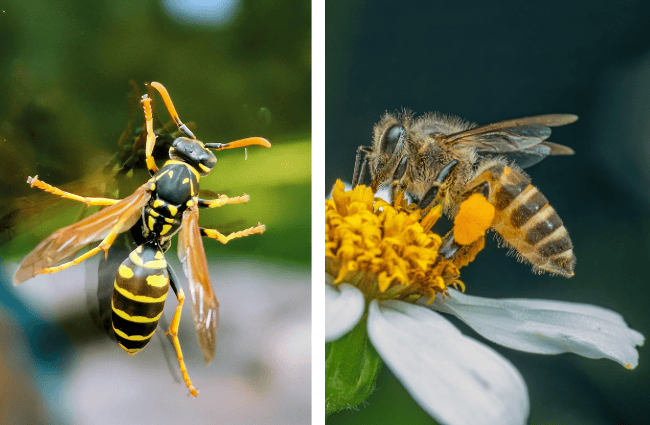
Yellowjackets and bees can look nearly identical at first glance. While bees play a critical role in pollination and are often protected, yellowjackets are aggressive wasps that often nest near homes and can pose a real risk when disturbed.
Misidentifying one for the other can lead to unsafe decisions, including attempting removal when professional assistance is the better option. Knowing the difference between yellowjackets and bees helps homeowners:
- Avoid provoking defensive behavior.
- Protect pollinators.
- Respond appropriately to stings and nest activity.
- Decide when professional pest control is the right next step.
What Are Yellowjackets?
Yellowjackets are a type of wasp belonging to the genus Vespula and Dolichovespula. Adult yellowjackets are typically about ½ inch long, with smooth, streamlined bodies designed for speed and defense. They are commonly found throughout the United States and are especially noticeable in late summer and early fall, when colonies reach their largest size.
Yellowjackets are highly social insects that live in organized colonies with a queen, workers, and developing young. As the season progresses and natural food sources decline, they become more aggressive and more likely to come into contact with people.
Common yellowjacket traits:
- Bright yellow and black markings.
- Smooth, shiny bodies with narrow waists.
- Defensive and territorial behavior near nests.
- Ability to sting multiple times.
- Attraction to meat, sugary drinks, garbage, and outdoor food.
Yellowjackets often nest in ground cavities, wall voids, and structural gaps, which makes colonies difficult to detect until activity increases. Their nesting habits and defensive behavior make yellowjackets responsible for a large portion of wasp stings in the U.S.
What Are Bees?
Bees are flying insects from the superfamily Apoidea and are best known for their role in pollination. Most bees homeowners encounter are between ½ and ¾ inch long, depending on species. In residential areas, activity often comes from honey bees (Apis mellifera) or various native bee species visiting flowers, gardens, and water sources.
Bees are generally focused on foraging rather than defending territory. While they can sting, this usually occurs only when they feel directly threatened.
Common bee traits:
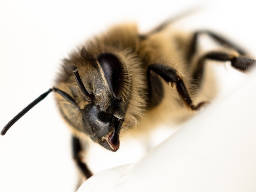
- Rounder, fuzzier bodies.
- Less defined waist.
- Typically less aggressive.
- Sting primarily in self-defense.
- Feed on nectar and pollen.
Unlike yellowjackets, many bees can sting only once because the stinger may detach after use. Bees are also highly significant to agriculture and ecosystems, which is why they are often protected or subject to relocation requirements depending on location.
What’s the Difference Between Bees and Yellowjackets
Although yellowjackets and bees share similar coloring, their physical features and behavior tell a different story. Understanding these differences can help homeowners better assess what they’re seeing and respond appropriately.
| Feature | Yellowjackets | Bees |
| Body shape | Slim, smooth body with a narrow waist | Plumper body with visible hair |
| Hair | Little to no hair | Fuzzy, especially on the body |
| Legs in flight | Legs tucked close to the body | Legs may hang slightly during flight |
| Aggression | Territorial and may sting if threatened | Usually sting only when handled or trapped |
| Stinging ability | Can sting multiple times | Most can sting only once |
| Food attraction | Drawn to meat, sugary drinks, trash, and pet food | Attracted to flowers and blooming plants |
Nest Location Difference Between Yellowjackets and Bees
One of the most important distinctions between yellowjackets and bees is where and how they build their nests. Nest location plays a major role in how likely homeowners are to encounter these insects, and how risky those encounters can be.
Yellowjacket Nests
Yellowjackets tend to build nests in hidden or enclosed areas, which makes them harder to detect until activity increases. Common nesting locations include:
- Underground, often in abandoned rodent burrows or soil cavities.
- Inside wall voids, where they can enter through small gaps or cracks.
- Beneath decks and porches, especially in shaded, protected areas.
- Attics and crawl spaces, where warmth and limited disturbance attract colonies.
Because these nests are frequently out of sight, homeowners may accidentally disturb them while mowing, gardening, or doing routine home maintenance. When a nest is disturbed, yellowjackets may respond defensively, and multiple insects can emerge quickly to protect the colony.
This behavior is one of the main reasons yellowjacket activity near a home should be addressed by trained pest control professionals rather than handled on a DIY basis.
Bee Nests or Hives
Bees, on the other hand, choose nesting locations that support their foraging and colony needs and are often more visible than yellowjacket nests. Depending on the species, bees may build hives in trees, wall cavities, or structural voids, particularly in the case of honey bees. They might also nest in soil, hollow plant stems, or wood, which is common among native bee species.
Bees are pollinators, so their nests and hives are often protected or subject to specific handling guidelines. In many cases, removal or relocation requires specialized knowledge and compliance with local or state regulations.
For this reason, homeowners should avoid attempting to move or treat bee nests themselves and instead contact professionals who understand proper management options.
Which Is More Dangerous: Yellowjackets or Bees?
When comparing yellowjackets vs. bees, yellowjackets generally present a higher risk to humans. Their ability to sting multiple times, defend hidden nests, and react aggressively to perceived threats increases the likelihood of painful encounters.
Bees, while capable of stinging, are usually less aggressive and are more likely to sting only when directly handled or trapped. For individuals with insect-sting sensitivities, any sting can be serious, making proper identification and response especially important.
What Homeowners Should Not Do
When dealing with either a yellowjacket or a bee, there are important limitations homeowners should be aware of. Take note:
- Do not attempt to remove a nest yourself.
- Do not seal visible nest openings, which may force insects deeper into structures.
- Do not spray nests with household chemicals.
- Do not disturb bees and yellowjackets intentionally, especially active hives.
Improper handling can increase the risk of stings and lead to more widespread activity.
When to Call a Pest Control Professional
If you’re seeing ongoing black-and-yellow flying insect activity near entry points, increased swarming, or insects emerging from walls, soil, or other enclosed areas, professional assistance may be the best next step.
Pest control professionals are trained to correctly identify whether you’re dealing with yellowjackets or bees and determine where the activity is originating. This is especially important when nests are hidden underground or within structural voids, where disturbance can trigger defensive behavior.
Professionals also understand when bee activity requires specialized handling, given their role as pollinators and applicable regulations. Rather than guessing or risking stings, contacting a pest control provider allows the situation to be evaluated and addressed in a way that supports both your home and the surrounding environment.
FAQs About Yellowjackets vs. Bees
Here are some frequently-asked questions from homeowners looking to differentiate from bees and yellowjackets.
A: Yellowjackets can sting multiple times, so the first step is to move away from the area to avoid additional stings. Clean the sting site thoroughly with soap and water and apply a cold compress to reduce pain and swelling.
Over-the-counter pain relievers or antihistamines may help with discomfort, but seek immediate medical attention if you experience signs of a severe allergic reaction, such as difficulty breathing, dizziness, rapid swelling of the face or throat, or hives.
A: Remove the stinger carefully by scraping it out with a fingernail or a credit card, then wash the area with soap and water.
Apply a cold compress to reduce swelling and use over-the-counter pain or antihistamine medications if needed. Seek medical help immediately if you develop severe reactions such as difficulty breathing, swelling of the lips or throat, or widespread hives.
A: Most stings cause pain, redness, and swelling that go away on their own. For people with severe allergies, stings can trigger life-threatening reactions, such as difficulty breathing or swelling, requiring immediate medical attention.
Pets can also have serious reactions if stung multiple times or in sensitive areas, so contact a veterinarian right away if you notice trouble breathing, vomiting, or collapse.
Protect Your Home from Stinging Insects with Pest Control Experts
If you’re unsure whether the insects around your home are yellowjackets or bees, getting a clear answer can make all the difference. Misidentification can lead to unnecessary risks or delayed action, especially when nests are hidden or activity increases over time.
Pest Control Experts help connect homeowners with local pest control professionals who can assess the situation, identify the insect involved, and take appropriate next steps based on what’s found. Start enjoying your outdoor spaces again by requesting a complimentary quote and having the situation carefully evaluated.