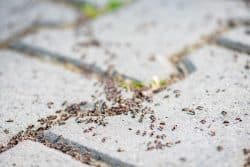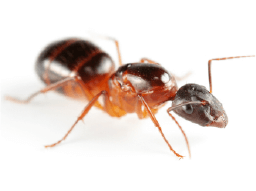

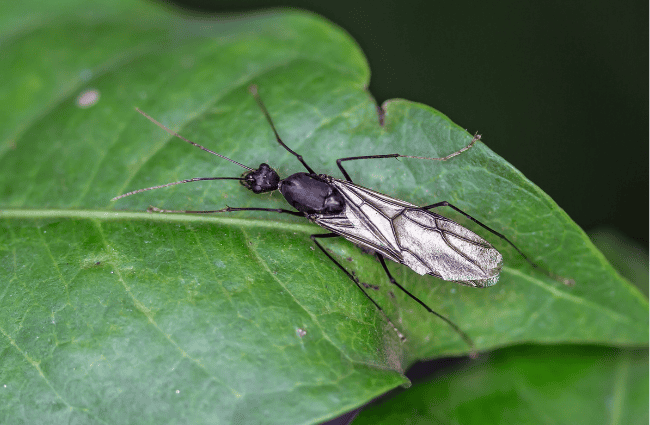
Flying ants are reproductive ants, called alates, that leave their colonies during swarming events to mate and find new nests. Seeing winged ants inside or around your home can be alarming, but it often signals a nearby colony rather than an immediate structural threat. Learning which species fly, when they swarm, and what damage they can cause helps homeowners decide when to act.
Which are the most common types of ants that fly?
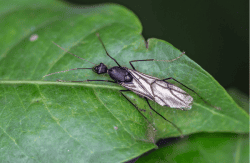
Several common ant species produce winged reproductive forms, including carpenter ants, fire ants, acrobat ants, and odorous house ants, with black, red, and brown varieties most often seen around homes. Flying ants are not a separate species but the reproductive members of colonies that have matured enough to produce males and queens. Their wings are typically four unequal pairs, and they are usually much larger than the wingless workers foraging nearby.
Swarming season varies by species and region, though many colonies release winged ants in spring and early summer after rain or warm, humid weather. Once mating occurs, males die quickly, while newly mated queens shed their wings and attempt to start new colonies. Seeing a few flying ants does not always mean a large infestation, but repeated swarms from the same location point to an established nest.
Are ants that fly dangerous?
Flying ants are generally not dangerous to people, although some species can bite or sting, and fire ants in particular can cause painful stings in groups. Most flying ants are harmless when left alone, and their main concern is nuisance. Anyone with a known allergy to insect stings should be cautious around fire ant swarms and seek medical care for severe reactions such as swelling of the face or difficulty breathing.
Some flying ants can spread bacteria when they contaminate food or surfaces, so keeping kitchens clean and food sealed reduces this risk. Their presence indoors is generally more an annoyance than a health emergency.
Do ants that fly cause damage?
Some flying ants cause structural damage, particularly carpenter ants that excavate wood to build galleries, while other species such as fire ants and house ants usually do not damage structures. Carpenter ant damage often begins in moist or decayed wood around windows, roofs, and plumbing, where colonies enlarge nests over time. Carpenter ants do not eat wood but remove it to create tunnels, which can weaken framing if left unchecked.
Other winged ants cause little structural harm. Fire ants can damage electrical equipment by nesting in wall voids and outdoor boxes, and their mounds can disrupt lawns and landscaping. Identifying the species helps determine whether damage is likely and how serious it may become.
What is swarming?
Swarming is a synchronized mating flight in which winged reproductive ants leave their colony in large numbers to mate in the air and establish new colonies. Swarms are often triggered by warm, humid conditions and sometimes follow rainfall. Males and females gather in open areas, mate during flight, and then fall to the ground. Mated queens search for suitable nesting sites, often in soil, wood, or other protected locations.
Swarming is a natural part of the ant life cycle, and most swarming ants never successfully start a colony. Predators, weather, and lack of nesting sites eliminate many of them. Still, swarms near a home can indicate a colony nearby, making it wise to inspect the area for nest activity.
Types of ants that fly
Several ant species produce winged reproductive forms that homeowners may encounter. The following types represent the most commonly seen flying ants in residential areas.
1. Black flying ants
Black flying ants are typically black carpenter ants or other dark-bodied species whose winged forms appear during seasonal swarms. Their wings are often dark and translucent, and they may be seen near windows, doors, or lights. Their presence can suggest a nearby colony, particularly if swarms repeat in the same location each year.
2. Red flying ants
Red flying ants are usually winged forms of red carpenter ants or red imported fire ants, with reddish-brown bodies that stand out against lighter surfaces. Red carpenter ants nest in moist or decayed wood, while fire ants form soil mounds outdoors. Identifying the specific species helps determine whether the colony poses a structural or stinging concern.
3. Brown flying ants
Brown flying ants include several species, such as acrobat ants and some house-infesting ants, which often have brown or tan bodies and swarm after warm rain. Their color can vary with age and species, so careful observation is useful. Brown flying ants are often seen indoors near windows and light fixtures during swarm events.
4. Yellow or golden flying ants
Yellow or golden flying ants are usually winged forms of yellow crazy ants or other pale species, which tend to appear in warm regions and swarm after heavy rain. These ants are typically lighter in color and move erratically when disturbed. Their swarms are usually temporary, though they may indicate a larger colony nearby.
5. Florida carpenter ants
Florida carpenter ants are large, dark carpenter ant species common in Florida, whose winged forms swarm in warm, humid weather. They nest in decaying wood, including tree stumps, fallen logs, and damp areas of structures. Their swarms may appear inside homes when colonies have established in wall voids or wood near moisture.
6. Red imported fire ants
Red imported fire ants produce winged reproductive forms that swarm after rain and can establish new mounds in lawns, gardens, and near structures. Their stings are painful and can cause pustules in sensitive individuals. Fire ant swarms should be avoided, and nearby mounds should be treated with care or referred to professionals.
7. Acrobat ants
Acrobat ants are small ants that raise their abdomens over their heads when disturbed, and their winged forms appear during seasonal swarms in moist environments. They nest in damp wood, under bark, and in wall voids near leaks. Their swarms are usually a sign of moisture problems in or near the home.
8. Ghost ants
Ghost ants are tiny, pale ants with translucent appearance that produce winged forms in warm months, often swarming indoors near food and moisture. They nest in wall voids, insulation, and under flooring, and they can be difficult to see. Their swarms can indicate an established indoor colony that needs professional assessment.
When to talk to a professional
Discovering one flying ant doesn’t necessarily mean an infestation. But repeated swarms near windows, winged ants indoors, or ants emerging from wood or wall voids suggest an established colony requiring professional assessment. This is when to call a local pest expert.
DIY methods like sealing cracks, fixing leaks, and removing decaying wood reduce nesting conditions. But they often miss colonies hidden in wall voids, under flooring, and inside damp structural wood. They don’t address the root causes drawing ants to your property, such as moisture problems, rotting wood, and nearby nests. Sealing and cleanup provide temporary relief without fixing underlying problems. This allows colonies to keep producing winged reproductives and swarming.
A professional pest control service, like Aptive or Terminix, can help confirm which flying ant species you have. They locate nests in wood, soil, and wall voids. They inspect moisture sources that attract carpenter, acrobat, and ghost ants. They provide comprehensive treatment combining targeted nest treatment, moisture correction, entry point sealing, and ongoing monitoring to stop swarms and prevent reinfestation.