Special OfferCall Now & Get $50 Off1 Pest Control2 or Quick Guard Mosquito Service3 or Save 10% on a termite plan4
Almost done. Just a few more details to get started.
Find Affordable, Expert Pest Exterminator in Johns Creek, Georgia
Johns Creek's residential neighborhoods border wooded stream corridors and the Chattahoochee River northeast of Atlanta. Between Alpharetta and Duluth in the Atlanta metropolitan area, landscaped subdivisions and established homes often sit close to ravines and preserved vegetation.
Ants, termites, and rodents may exploit shaded foundations, moisture-damaged wood, or accessible rooflines. Our preferred exterminators can help homeowners assess suspected activity and determine sensible next steps. Terminix provides a professional option for Johns Creek property owners concerned about persistent pest problems.
Terminix keeps your Johns Creek home safe from intrusive pests
Terminix will prevent common household pests from entering your home, keeping your family safe.
Our services ensure that you have a clean, pest-free home without the worries of finding pests in your morning cereal. Everyone's familiar with the act of spraying, but there is a lot more to our experts' pest control services, including:
At Pest Control Experts, we want to make sure getting top-notch service and a pest-free home is easy for you? Once you give us a call, we can get you started with a free inspection with one of our preferred pest exterminators in Johns Creek, Georgia. They will create a customized plan to create your home for all pests including termites, roaches, and more.
With our exterminators in Johns Creek you'll receive
Free Inspection
Expert Technicians
Local Experts
Custom Treatment Plan
Zip Codes We Service In Johns Creek, GA
30005
30022
30024
30097
The Value of Pest Control in Johns Creek
Finding the right Johns Creek pest control provider isn’t always easy - from pricing to scheduling to consistency, there are a lot of concerns that need to be addressed.
With the right service provider, you’ll get the pest-free home you deserve, and with Termini, we’re here to do just that.
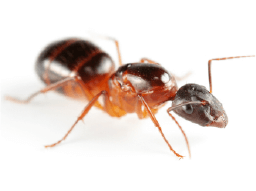
In Johns Creek, residential landscaping often extends directly into preserved natural areas. Near Autrey Mill Nature Preserve and neighborhoods along Old Alabama Road, dense vegetation, sloping yards, and carefully maintained planting beds can create continuous routes between wooded ground and homes. Ants may forage along foundation joints or irrigation lines before entering kitchens through small openings. Subterranean termites can use sheltered soil connections to reach structural wood, particularly where irrigation maintains damp conditions near the foundation. Homeowners should identify whether insects originate from outdoor nesting areas or have become established within the structure. Repeated activity near a particular entry point provides more useful evidence than the presence of insects elsewhere in a wooded yard.
Johns Creek lies close to Alpharetta, Roswell, Duluth, and Suwanee, but its numerous residential developments adjoining creek valleys make the boundary between managed landscaping and woodland especially important. Larger houses can have several outdoor living spaces, garden walls, and utility connections where inspection access varies. Roof rats may exploit vulnerable attic openings when vegetation provides convenient approach routes. Unlike neighboring commercial districts, many Johns Creek properties require inspection across a broad residential perimeter rather than around loading facilities or shared retail service areas. Heavy rainfall can alter moisture conditions beneath landscaped beds, although pests still depend on suitable shelter and access. Mapping sightings around the home and inspecting irrigation leaks, foundation joints, and upper structural openings can help owners prioritize meaningful corrections.
Bio-Rational Materials
Where Johns Creek landscaping borders preserved vegetation, bio-rational materials may be considered as part of a pest-specific plan that avoids unnecessary disturbance beyond the treatment area. Product selection depends on confirmed identification, intended placement, and label requirements. Adjusting irrigation, maintaining building seals, and reducing sheltered access routes may complement treatment. Careful observation helps distinguish pests requiring intervention from ordinary outdoor insects.
Commercial EcoControl
Commercial EcoControl supports Johns Creek businesses by combining preventive inspections with practical maintenance. Offices, shopping areas, and professional facilities can review landscaped entrances, shared utility spaces, refuse storage, and exterior lighting conditions where relevant. Integrated pest management uses recorded observations to identify recurring sources and select appropriate interventions. Sanitation and exclusion remain priorities, with targeted treatment considered when findings demonstrate a need.
FAQs About Pest Control in Johns Creek
A: Rain can disturb outdoor nesting sites or change foraging routes, causing ants to use nearby openings. Follow the trail toward its entry point and avoid assuming the window itself contains a colony.
A: Leaking lines and sprinkler heads directed toward siding can repeatedly wet soil or building materials. Check for unusually damp ground when the rest of the yard has dried.
A: From a safe location, look for damaged vents, displaced screening, and gaps where different roof sections meet. Scratching noises or attic droppings may justify professional assessment.
A: Explain whether the insects enter living spaces, identify recent irrigation changes, and provide photographs if possible. Ask Terminix what identification is needed before deciding whether treatment is appropriate.