Pest Control in Fort Stewart, Georgia
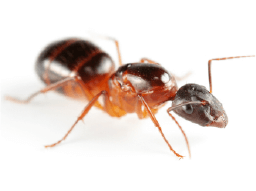
Fort Stewart covers a substantial area of southeast Georgia, with developed installation facilities surrounded by pine forest, open training grounds, and low-lying natural areas. Residential pest concerns can arise where managed grounds meet vegetation and outdoor recreation spaces. Fire ants may establish mounds in sunny lawns and disturbed soils, creating a stinging hazard around walkways and play areas. Mosquitoes can develop in containers, obstructed drainage, and other standing-water sites, while shaded vegetation provides resting areas. These two concerns call for different prevention methods and careful identification. Natural wetlands may contribute to regional mosquito activity, but household efforts should focus on manageable water sources and property conditions rather than attempting to alter protected habitats.
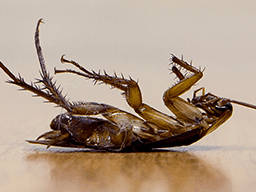
Fort Stewart is closely associated with Hinesville and lies within reach of Flemington, Ludowici, Glennville, and the greater Savannah region. Military housing and support operations introduce another consideration: occupancy changes, maintenance schedules, and responsibility for shared facilities can affect when pest problems are identified and reported. German cockroaches may become established in indoor kitchens where food residue, moisture, and sheltered spaces are available. Their presence should not be attributed simply to a change in occupants. An assessment needs to address the actual infestation and any continuing harborages. For on-installation properties, residents should follow applicable housing or facility-management procedures before arranging outside services. The important distinction between Fort Stewart and surrounding civilian communities is the combination of substantial natural habitat and installation-specific rules governing building access, maintenance, and pest management decisions.
Bio-Rational Materials
Bio-rational materials may support selective pest management when appropriate to the species and authorized treatment location. At Fort Stewart, environmental considerations must be balanced with installation requirements, property access, and approved maintenance procedures. Correcting indoor moisture problems and reducing accessible food can support prevention without unnecessary product application. Any treatment must follow applicable rules and label instructions, and residents should confirm who is authorized to perform the work.
Commercial EcoControl
Commercial EcoControl emphasizes integrated pest management through inspection, prevention, and correction of pest-conducive conditions. Food service, administrative, and maintenance facilities may have different sanitation and operating requirements. At Fort Stewart, facility managers must also account for installation-specific permissions and approved service arrangements. Terminix can be considered where authorized and available, but no outside provider should be assumed to have unrestricted access or responsibility for pest management on the installation.