Pest Control in Jesup, Georgia
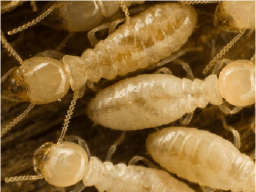
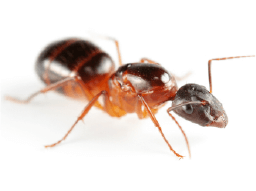
Jesup's relationship with the Altamaha River basin and surrounding pine forests makes damp structural conditions an important part of local pest management. Low-lying lots, shaded crawlspaces, and wooded property edges can retain moisture, especially following prolonged rainfall. Subterranean termites are a concern where suitable soil access, moisture, and structural wood occur together. Activity may remain concealed behind finished surfaces, and visible damage does not necessarily reveal the full extent of a colony. Carpenter ants can also occupy deteriorated wood around porches, roof edges, and detached structures, but their nesting behavior differs from termites. Proper identification matters before repairs or treatment decisions are made. Homeowners should pay particular attention to moisture sources rather than assuming all insects found around wood are feeding on the structure.
Jesup serves communities including Odum, Screven, Ludowici, and Hinesville, while its commercial corridors connect regional travel and timber-related activity. In this environment, mosquitoes can develop in neglected containers, blocked drainage, and other small collections of stagnant water. Nearby rivers and wetlands contribute to the wider landscape, but removing water around an individual property remains a practical prevention measure. Mosquito exposure often increases during warm, rainy periods when suitable breeding sites persist. At timber-related yards and residential properties, discarded materials may also create concealed areas that complicate inspections. Unlike the more developed coastal neighborhoods closer to Brunswick, many Jesup properties have broad wooded margins or separate outdoor structures. Evaluations should therefore consider how water moves across the lot, where wood meets soil, and which areas remain difficult to inspect after heavy rain.
Bio-Rational Materials
Bio-rational materials can be considered as part of a lower-impact pest management plan when they are appropriate for the species and treatment site. In Jesup's wooded and moisture-prone settings, identifying the source of water accumulation and correcting vulnerable building conditions may be equally important. Selective treatment should be supported by accurate identification, not by assumptions about an insect's appearance. Label directions and environmental restrictions guide appropriate material use.
Commercial EcoControl
For Jesup businesses with lumber, equipment, or other exterior storage, commercial pest management should account for how materials are stacked and how accessible areas are maintained. Commercial EcoControl emphasizes integrated pest management through inspection, correction of favorable conditions, and selective intervention. A documented maintenance process helps distinguish new activity from older evidence. Terminix can be consulted about available commercial services appropriate to the facility.