Pest Control in Riceboro, Georgia
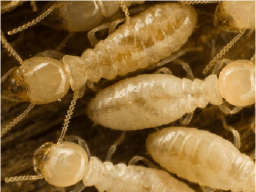
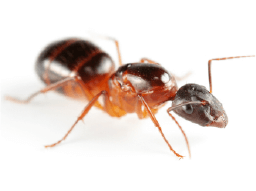
Riceboro developed along waterways that once supported coastal rice cultivation, and its landscape still reflects the low-lying conditions of the Georgia coastal plain. Properties near drainage channels, wooded wetlands, and the North Newport River may experience persistent soil moisture around foundations. Subterranean termites can exploit wood-to-soil contact and concealed foundation routes where conditions remain suitable. Ants may also move from wet exterior areas toward more sheltered building locations. A structural inspection should distinguish between an active infestation and moisture damage from flooding, poor drainage, or long-term humidity. Simply treating visible insects without investigating underlying conditions may leave recurring problems unresolved.
Riceboro connects with Midway, Hinesville, Richmond Hill, and Walthourville, while Savannah provides the larger coastal metropolitan connection. Compared with Allenhurst's predominantly residential relationship to Fort Stewart, Riceboro has a stronger connection to tidal waterways, historic agricultural land, and industrial activity along U.S. 17. These surroundings place additional importance on drainage around buildings, protected storage, and access points near exterior service areas. Heavy coastal rainfall can aggravate existing moisture problems, particularly beneath structures with limited ventilation. Terminix can assess termite or ant activity and recommend treatment appropriate to the property. Owners should also examine crawlspaces, foundation penetrations, and areas where ground moisture reaches wooden building components, since these conditions can remain concealed even when the exterior appears dry.
Bio-Rational Materials
Where pest management takes place near coastal wetlands, treatment decisions should be made with attention to environmental exposure and the specific infestation. Bio-rational materials may offer useful lower-impact options in selected applications, but their suitability is not universal. Terminix can consider targeted treatment while emphasizing moisture correction, exclusion, and maintenance. Responsible application follows product directions and avoids unnecessary treatment near sensitive outdoor areas. Addressing the reasons pests are entering a structure can provide lasting benefits without relying exclusively on pesticide use.
Commercial EcoControl
Riceboro's commercial landscape includes roadside businesses, storage facilities, and industrial operations with differing pest-management requirements. Integrated Pest Management encourages inspections that consider loading areas, waste handling, building drainage, and concealed entry points. Terminix can assess commercial pest activity and recommend targeted measures supported by preventive maintenance. Facilities near low-lying ground should pay particular attention to moisture accumulation and stored materials. Cleaning service areas, maintaining drainage, and securing openings can reduce pest access while supporting environmentally conscious operations.