Special OfferCall Now & Get $50 Off1 Pest Control2 or Quick Guard Mosquito Service3 or Save 10% on a termite plan4
Almost done. Just a few more details to get started.
Find Affordable, Expert Pest Exterminator in Milton, Georgia
Milton's northern Fulton County landscape includes horse farms, wooded estates, and large residential parcels around Birmingham Highway and Crabapple. Near Alpharetta in the northern Atlanta metropolitan area, barns and outbuildings introduce pest concerns beyond those found in conventional subdivisions.
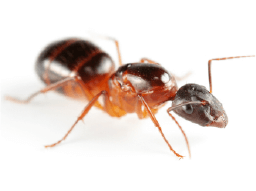
Rodents, carpenter ants, and termites may exploit stored feed, damp wood, or sheltered structural openings. Our recommended exterminators can help residents identify activity and determine suitable responses. Terminix offers professional pest control assistance for Milton homeowners and property owners managing larger residential lots.
Terminix keeps your Milton home safe from intrusive pests
Terminix will prevent common household pests from entering your home, keeping your family safe.
Our services ensure that you have a clean, pest-free home without the worries of finding pests in your morning cereal. Everyone's familiar with the act of spraying, but there is a lot more to our experts' pest control services, including:
At Pest Control Experts, we want to make sure getting top-notch service and a pest-free home is easy for you? Once you give us a call, we can get you started with a free inspection with one of our preferred pest exterminators in Milton, Georgia. They will create a customized plan to create your home for all pests including termites, roaches, and more.
With our exterminators in Milton you'll receive
Free Inspection
Expert Technicians
Local Experts
Custom Treatment Plan
Zip Codes We Service In Milton, GA
30004
30009
The Value of Pest Control in Milton
Finding the right Milton pest control provider isn’t always easy - from pricing to scheduling to consistency, there are a lot of concerns that need to be addressed.
With the right service provider, you’ll get the pest-free home you deserve, and with Termini, we’re here to do just that.
Milton's equestrian properties and larger residential lots create distinctive pest management needs. Around Birmingham Highway and the surrounding countryside, barns, storage sheds, and fenced pastures may sit some distance from the main residence. Rodents can exploit spilled feed, unsecured storage containers, and gaps around agricultural buildings. Once shelter and food become available, activity may continue even when the surrounding fields are maintained. Carpenter ants can also establish nests in damp or decaying wood, making older outbuildings and shaded deck supports worth examining. These conditions differ from a typical suburban yard because maintaining the house alone may leave separate structures with unresolved problems. Inspections should account for the location and use of each building.
Milton is connected with Alpharetta, Roswell, Cumming, and Canton, but its remaining agricultural properties and extensive wooded parcels create a different balance of residential and outdoor pest activity. Around estate homes, subterranean termites may find favorable conditions where irrigation or drainage keeps structural wood connections damp. Moisture problems can also develop beneath porches or in enclosed storage areas that receive little regular attention. Georgia's humid weather supports extended insect activity, although an infestation depends on access, shelter, and suitable resources rather than climate alone. Property owners should separate concerns involving feed storage from those involving moisture-damaged wood or house entry points. A practical assessment covers the primary residence, nearby outbuildings, and the conditions linking them.
Bio-Rational Materials
Properties with barns and animal-related activities require particularly careful treatment decisions. Bio-rational materials may offer selective options for certain identified pests, but the intended application must account for people, animals, stored feed, and environmental exposure. Securing feed and maintaining buildings can reduce the conditions supporting infestations. Any proposed product should be evaluated for its specific use and label requirements rather than assumed suitable because it is described as natural.
Commercial EcoControl
Commercial EcoControl can help equestrian and agricultural-support facilities integrate pest prevention with their daily operations. In Milton, managers may need to evaluate feed rooms, storage sheds, waste-handling areas, and occupied buildings separately. Integrated pest management emphasizes inspections, sanitation, exclusion, and correcting conditions that attract pests. Where treatment is warranted, the species and proximity of animals or stored materials must inform product selection and precautions.
FAQs About Pest Control in Milton
A: Keep feed in durable, tightly closed containers, clean spills promptly, and inspect storage areas for gnaw marks or droppings. Check the building itself for openings that allow animals to enter.
A: Yes. Carpenter ants may forage through a building while nesting elsewhere. Repeated activity emerging from wood joints or coarse debris beneath openings deserves closer investigation.
A: Yes. The buildings may have different food sources, moisture conditions, and access points. Recording where activity occurs helps distinguish connected problems from unrelated infestations.
A: Explain where animals are kept, how feed is stored, and which areas show pest evidence. Ask Terminix what treatment restrictions, animal-related precautions, and site information would need to be considered before discussing appropriate options.