
Baby cockroaches (nymphs) are tiny versions of adult roaches, appearing in various sizes and colors depending on species and development stage, indicating active infestations requiring immediate professional intervention.
Understanding nymph identification helps homeowners recognize early-stage infestations before populations explode, distinguish different cockroach species by appearance, and appreciate the necessity of professional pest control when discovering small roaches signaling rapid population growth and urgent control needs preventing complete household infestation.
What do baby cockroaches look like?
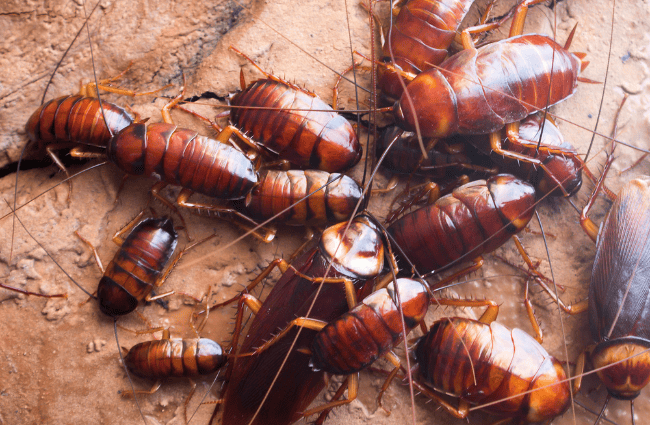
Baby cockroaches (nymphs) are miniature versions of adult roaches, appearing as tiny tan, brown, or dark insects lacking wings, measuring from 1/16 inch at hatching to progressively larger sizes as they molt through nymphal stages toward adulthood.
Nymphs possess the same basic body structure as adults—six legs, antennae, and segmented abdomens—but appear smaller and more vulnerable without developed wings. Coloration varies by species from tan German cockroach nymphs to dark brown American roach nymphs, but remains consistent within species.
Early-stage nymphs (first and second instars) are nearly invisible to casual observation, appearing as tiny specks moving rapidly in protected areas. As nymphs progress through developmental stages, they gradually increase in size, darken in coloration, and develop visible wing pads on their thoraxes (posterior to the head). Late-stage nymphs approach adult size but retain the wingless appearance until final molt to adulthood.
The rapid movements characteristic of nymphs make them noticeable when present in numbers—groups of small roaches scurrying across surfaces, particularly in kitchens at night, indicate nymphal populations. Unlike stationary adults sometimes observed resting, active nymphs create visible movement drawing attention to infestations. Finding numerous small roaches indicates rapidly growing populations requiring urgent professional intervention before they mature into reproductive adults.
What are the different types of baby cockroaches?
Different cockroach species produce distinctly recognizable nymphs varying in size, coloration, and behavior—German cockroach nymphs are tiny and tan, American roach nymphs are dark brown and medium-sized, and Oriental cockroach nymphs are dark and relatively large, with each species’ nymphs resembling miniature versions of their respective adults. Early detection of specific nymph types enables accurate species identification guiding appropriate species-specific control strategies.
German cockroach nymphs are extremely small, tan to light brown, and gregarious, clustering together in protected areas in kitchens. They develop rapidly through 6-7 instars over 2-3 months, creating explosive population growth in infested kitchens. The abundance of tiny clustered nymphs indicates German cockroach infestation requiring immediate comprehensive professional treatment.
American cockroach nymphs are medium-sized, dark reddish-brown, and solitary compared to German nymphs. They develop more slowly through approximately 13 instars over 6-12 months, creating less explosive population growth than German species. Finding medium-sized dark nymphs suggests American cockroach infestations requiring different control approaches than smaller, faster-reproducing German roaches.
Oriental cockroach nymphs are dark brown to nearly black, relatively large even in early instars, and indicate slower-reproducing populations than German species. Brown-banded cockroach nymphs are banded tan and brown, appearing in upper-level areas rather than kitchens like German roaches. Accurate nymph identification enables appropriate pest management targeting specific species’ weaknesses and reproductive patterns.
How large are baby roaches?
Baby cockroaches range from nearly invisible at 1/16 inch at hatching to progressively larger sizes through developmental stages, with late-stage nymphs approaching 1/4 to 1/2 inch depending on species before final molt to adulthood. German cockroach nymphs remain tiny throughout development, never exceeding 1/4 inch even at final nymphal stage. American roach nymphs grow to 1/2 inch or larger as final-stage nymphs before molting into similar-sized adults.
Size progression helps identify nymph developmental stages—tiny specks indicate freshly hatched nymphs, small visible roaches suggest mid-stage nymphs, and larger roaches approaching adult size indicate final-stage nymphs near maturation into reproductive adults.
Where are you most likely to find baby roaches?
Baby cockroaches concentrate in protected harborage near food and water sources, with species-specific locations reflecting adult habitat preferences—German nymphs in kitchen cabinets and under appliances, American roaches in basements and crawl spaces, and brown-banded roaches in upper-level wall voids and electronics.
Unlike adult roaches sometimes visible on open surfaces, nymphs remain hidden in cracks, behind appliances, in wall voids, and under baseboards during daylight, becoming active primarily at night.
Kitchen cabinets, under sinks, behind stoves and refrigerators, and inside appliances are primary German cockroach nymph locations. The warmth from electrical equipment and proximity to food and water make these concentrated nymph breeding areas. Finding numerous small roaches in these locations indicates thriving populations.
Basements, crawl spaces, and moisture-prone areas harbor American cockroach nymphs clustering in protected spaces near water sources. Floor drains, basement corners, and areas around pipes concentrate nymphs seeking moisture-rich environments. Brown-banded roach nymphs appear in attics, wall voids, and electronic equipment reflecting their heat-seeking behavior establishing populations away from kitchens.
Aggregations of nymphs indicate thriving breeding colonies—finding multiple small roaches signals rapid population growth requiring immediate professional intervention before they mature into reproductive adults perpetuating infestations.
Are baby cockroaches dangerous?
Baby cockroaches are dangerous despite their smaller size—they transmit the same pathogens as adults including Salmonella, E. coli, and various bacteria through contamination of food, surfaces, and kitchen areas with fecal material and body contact. While individual nymphs produce less contamination than numerous adults, aggregations of nymphs create substantial disease transmission risks particularly in kitchens.
Baby cockroaches trigger allergies and asthma through accumulated allergens from waste, shed skins, and dead bodies. Infestations with numerous nymphs and adults create continuous allergenic dust exposure affecting respiratory health. The rapid population growth from nymphs maturing into reproductive adults creates exponential increases in allergen production creating serious respiratory impacts.
Beyond disease transmission, baby cockroach presence indicates active reproduction ongoing within structures. Finding nymphs signals that adult populations exist producing eggs continuously, making infestations far more serious than occasional adult sightings suggesting minor isolated problems. Nymph discovery represents evidence of established breeding populations requiring urgent professional intervention preventing population explosion.
The combination of disease transmission, allergen production, and indication of thriving breeding colonies makes baby cockroach discovery a serious warning sign demanding immediate professional pest control addressing active reproducing populations before populations become overwhelming.
Signs you might have a cockroach infestation
Multiple indicators help identify active cockroach infestations beyond visible nymphs:
- Visible baby cockroaches: Finding small roaches scurrying in kitchens at night, particularly clustered groups, indicates thriving nymphal populations.
- Cockroach droppings: Tiny dark specks or small pellets in cabinets, under appliances, along baseboards indicate active cockroach populations.
- Musty odors: Pungent odors from cockroach waste accumulation permeate infested structures—stronger in heavy infestations.
- Egg cases (oothecae): Brown, capsule-shaped objects in cabinets, wall voids, and protected areas indicate recent egg deposition and upcoming nymph hatching.
- Nighttime activity sounds: Rustling, movement sounds in walls and cabinets at night indicate active foraging by adult and nymphal populations.
- Sticky trap captures: Cockroaches caught on monitoring traps placed in kitchens and suspected areas confirm infestation presence.
- Damaged or contaminated foods: Foods with chewing damage or contamination indicate cockroach feeding activity and waste accumulation.
How to prevent a cockroach infestation
Preventing cockroach establishment requires excellent sanitation and exclusion:
- Maintain meticulous sanitation: Remove all food sources including crumbs, grease, and spilled foods, clean under appliances regularly, eliminate standing water, and deny roaches access to sustaining resources.
- Seal entry points and harborage: Caulk cracks around cabinets, pipes, appliances, baseboards, and wall penetrations eliminating hiding spaces where nymphs cluster.
- Store foods in sealed containers: Transfer foods into glass, metal, or thick plastic containers preventing roach access and contamination.
- Fix plumbing leaks: Repair leaking pipes, improve drainage, eliminate standing water, and maintain dry conditions discouraging cockroach establishment.
- Monitor with sticky traps: Deploy cockroach traps in kitchens detecting early infestations before populations explode into visible nymphal aggregations.
How to get rid of a cockroach infestation
Eliminating cockroach infestations requires professional comprehensive management:
- Deploy targeted gel baits: Place cockroach baits in kitchens, under appliances, cabinets, and suspected areas allowing nymphs and adults to distribute toxin throughout colonies via food exchange.
- Apply residual insecticides: Treat cracks, crevices, wall voids, and harborage areas with long-lasting products targeting hiding populations.
- Use growth regulators: Apply insect growth regulators disrupting nymphal development, preventing maturation into reproductive adults sustaining populations.
- Implement comprehensive sanitation: Combine chemical treatments with thorough cleaning removing food, grease, and debris eliminating attractants supporting populations.
- Contact professional pest control: Seek expert assistance for any cockroach infestation—professionals provide integrated management combining baits, residual treatments, growth regulators, and monitoring ensuring complete elimination of nymphal populations before maturation into reproductive adults.
Conclusion
When dealing with baby cockroach infestations throughout your property and need expert solutions addressing active breeding populations requiring urgent professional intervention, contact our pest control experts today for a free quote and comprehensive assessment.
Our pest control experts will accurately identify cockroach species by examining nymphs present, confirming whether you’re dealing with rapid-reproducing German cockroaches, slower-reproducing American roaches, or other species requiring species-specific treatment approaches.
Frequently Asked Questions (FAQs) about baby roaches
Here are some commonly-asked questions about baby roaches often asked by homeowners.
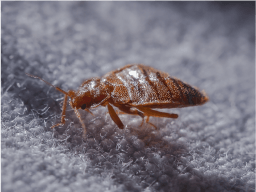
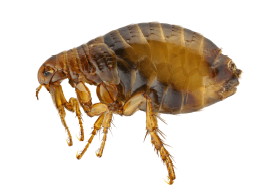
A: Small insects including bed bug nymphs, flea larvae, small beetles, and other household arthropods are sometimes confused with baby cockroaches. Cockroach droppings are also mistaken for tiny roaches requiring close inspection. Dark rice grains or debris in cabinets can resemble baby roaches without magnification. However, the rapid movement and characteristic body structure of roach nymphs usually distinguish them from similar-looking pests with careful observation.
A: Seeing baby cockroaches indicates active breeding populations within your structure—adult females are laying eggs regularly producing new nymphs continuously. The presence of nymphs means infestations are established and reproducing rather than sporadic individual invaders.
Multiple developmental stages appearing indicates generations overlapping, meaning populations are growing and thriving. Nymph presence is an urgent warning that adult populations exist hidden in protected areas producing eggs creating infestations expanding daily.
A: Seeing baby cockroaches indicates active breeding populations within your structure—adult females are laying eggs regularly producing new nymphs continuously. The presence of nymphs means infestations are established and reproducing rather than sporadic individual invaders.
Multiple developmental stages appearing indicates generations overlapping, meaning populations are growing and thriving. Nymph presence is an urgent warning that adult populations exist hidden in protected areas producing eggs creating infestations expanding daily.