
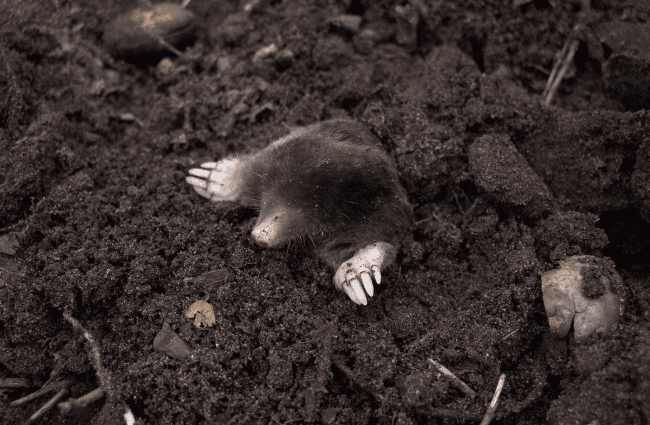
Moles are burrowing mammals creating extensive tunnel networks throughout yards, damaging landscaping, disrupting soil, and creating unsightly mounds while feeding on earthworms and grubs.
Knowing how to identify moles and their habitat preferences and damage patterns helps homeowners implement prevention strategies and recognize situations requiring professional intervention. Successful mole management combines habitat modification, removal of food sources, and professional elimination methods addressing established populations threatening landscape aesthetics and property value.
How did moles get into my yard?
Moles naturally migrate into yards seeking ideal conditions including abundant soil invertebrates (earthworms and grubs), adequate soil moisture, loose soil enabling tunnel construction, and protection from predators and harsh weather.
Properties with healthy lawns and garden beds supporting robust earthworm and grub populations attract moles searching for established food sources. Newly sodded yards and recently seeded landscaping with loose, easy-to-tunnel soil invite mole establishment. Adjacent properties with existing mole populations source invading animals seeking available habitat.
Moles possess excellent soil sensing abilities detecting vibrations from earthworm and grub movement underground. Properties with pest insect infestations including grub populations inadvertently attract moles seeking food-rich environments. Moisture-rich soils following heavy rainfall or irrigation provide ideal burrowing conditions and increased earthworm availability.
Seasonal patterns influence mole activity—spring and fall migration peaks coincide with moderate temperatures and high soil moisture. Winter activity decreases in cold climates as moles burrow deeper seeking unfrozen soil. Summer drought can drive moles toward irrigated areas seeking moisture and invertebrate activity.
Once moles establish territories, they maintain year-round presence creating continuous tunnel damage. Single moles can create extensive tunnel networks covering hundreds of square feet. Multiple moles establish overlapping territories creating cumulative landscape damage requiring intervention.
What are the differences between moles and voles?
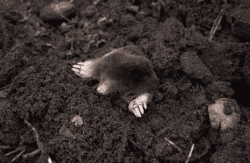
Moles are burrowing mammals with large front feet, small eyes, streamlined bodies, and feeding primarily on earthworms and grubs, while voles are rodents resembling mice with visible eyes, smaller front feet, and feeding on vegetation and plant roots.
Moles create deep tunnel networks with visible mounds, while voles create surface runways and burrows. Mole tunnels are typically 3-4 inches beneath soil surface with distinctive molehills marking tunnel activity. Vole tunnels remain closer to the surface creating visible runway patterns.
Mole damage is primarily mechanical—tunnel creation disrupts soil structure and damages plant roots through disturbance. Vole damage includes gnawing on plant material, bark stripping, and vegetation consumption. Moles don’t consume plants while voles actively feed on vegetation killing plants through root damage and consumption.
Control strategies differ significantly—moles require trapping or removal since they’re carnivorous benefiting from outdoor pest elimination. Voles require rodent control methods addressing vegetarian rodent populations. Misidentification leads to ineffective control since mole treatments don’t eliminate voles.
Moles possess poor vision relying on touch and vibration detection. Voles possess functional eyes and vision-dependent navigation. This sensory difference affects control strategy selection with vibration-based repellents ineffective on voles.
How to avoid a mole infestation
Preventing mole establishment requires habitat modification and food source elimination:
- Reduce grub populations: Apply grub control products eliminating soil-dwelling insect larvae reducing primary mole food sources supporting tunnel-digging activity.
- Improve drainage: Grade soil away from landscaping, install drainage systems, and reduce irrigation frequency preventing moisture-rich conditions favoring mole establishment.
- Compact soil: Roll and compact soil in mole-prone areas creating firm conditions difficult for tunnel construction and burrowing.
- Remove food sources: Eliminate earthworm and grub-rich areas when possible, focusing grub control in areas supporting high mole activity.
- Install barriers: Install underground barriers and fencing preventing mole movement into landscaped areas while allowing existing moles escape routes.
- Use repellents: Apply mole repellents including castor oil-based products creating unpalatable conditions discouraging mole establishment in treated areas.
- Monitor new tunnels: Inspect yards regularly for fresh tunnel activity enabling early detection and intervention preventing extensive damage.
DIY methods to get rid of moles
Homeowners can implement several control approaches supplementing professional management:
- Install mole traps: Deploy specialized mole traps in active tunnels, setting traps perpendicular to tunnel direction capturing moles traveling established routes.
- Apply repellents: Use castor oil-based mole repellents, sonic deterrents, and underground vibration devices creating hostile conditions encouraging mole departure.
- Remove grubs: Apply targeted grub control eliminating primary food sources reducing tunnel activity and mole attraction to treated areas.
- Flood tunnels: Flood active tunnel systems forcing moles to surface where they can be captured or relocated removing problem animals.
- Fill tunnels: Fill visible mole tunnels with soil compacting material eliminating comfortable passage routes and forcing moles to create new tunnels elsewhere.
- Use poison baits: Apply poisoned earthworm baits in tunnels killing moles directly though requiring careful placement in active tunnels for effectiveness.
- Habitat modification: Improve drainage, reduce soil moisture, and compact soil creating unfavorable conditions encouraging natural mole departure to more suitable properties.
Are moles dangerous?
Moles pose minimal direct danger to humans—they don’t bite, carry transmissible diseases, or pose health threats through contact. Their solitary nature and underground lifestyle prevent dangerous encounters. Moles are beneficial organisms consuming massive quantities of soil-dwelling pests including grubs and insects. However, their tunnel creation causes significant landscape damage and property value reduction from extensive disturbance and visible molehills throughout yards.
Allergic reactions to mole presence are extremely rare. Mole waste products don’t transmit serious pathogens unlike rodent droppings. The primary concern is property damage and aesthetic disruption from tunnel networks and surface mounding.
What kind of damage do moles cause?
Moles cause significant landscape damage through tunnel creation disrupting soil structure, damaging plant roots through disturbance, creating unsightly molehills, and undermining lawn integrity throughout infested properties. Shallow tunnels kill grass through root disturbance and soil separation from root contact. Molehills create tripping hazards and disfigure lawn appearance. Extensive tunnel networks under landscaping disrupt plant establishment and mature plant health.
Damage accumulates progressively as moles expand tunnel networks. Heavy mole populations create dramatic landscape disfigurement requiring extensive yard renovation. Structural foundations and irrigation systems sometimes suffer disruption from tunnel proximity or breakage.
When to contact a professional for mole control
Professional assessment becomes necessary in these situations:
- Extensive tunnel systems: Large tunnel networks across multiple yard areas indicate established populations or multiple moles requiring professional removal.
- Failed DIY efforts: Unsuccessful control attempts using traps, repellents, and grub elimination suggest professional expertise and specialized tools are necessary.
- Persistent mole activity: Continued tunnel creation and mounding despite prevention efforts indicates new mole immigration or reproductive populations.
- Structural concerns: Tunnels near foundations, irrigation systems, or other infrastructure warrant professional assessment evaluating damage risk and appropriate solutions.
- Large property areas: Extensive properties with widespread mole activity benefit from professional management utilizing coordinated removal and habitat modification strategies.
- Time constraints: Property owners unable to dedicate time to ongoing DIY efforts benefit from professional management providing comprehensive long-term solutions.
- Unknown infestation source: Uncertainty about whether damage results from moles, voles, or other animals warrants professional assessment ensuring appropriate control strategies.
Professional methods for mole control
Professional mole control combines systematic trapping in active tunnels, targeted grub elimination reducing food sources, habitat modification creating unfavorable conditions, and ongoing monitoring ensuring complete removal. Professionals deploy specialized mole traps in strategically positioned tunnel locations capturing moles efficiently. They apply professional-grade grub controls eliminating soil-dwelling insects. They implement drainage improvements and soil modification reducing mole-favorable conditions.
DIY mole control vs professional mole control
Discovering one mole tunnel doesn’t necessarily mean infestation. But repeated mole activity, extensive tunnel networks, visible molehills, or ongoing lawn damage suggest established populations requiring professional assessment. This is when to call a local pest expert.
DIY methods like traps and grub control capture some moles. But they often miss established tunnel networks and moles migrating from adjacent properties. They don’t address root causes enabling mole population continuation. Traps and repellents provide temporary relief without fixing underlying problems. This allows moles to continue tunneling and reinfestation to occur.
A professional pest control service, like Aptive or Terminix, can help identify mole presence and activity patterns on your property. They assess habitat conditions attracting moles including grub populations and soil moisture. They evaluate structural concerns from tunnels near foundations and irrigation systems.
Frequently Asked Questions (FAQs) about mole control
Here are some commonly-asked questions about mole control and what you can expect from a professional service.
A: Professional-grade grub elimination products are most effective, removing primary mole food sources and reducing tunnel activity throughout yards. Specialized mole traps deployed in active tunnels provide direct mole removal. Castor oil-based repellents create moderately effective deterrent conditions. Combination approaches using grub control plus trapping outperform single-method strategies. Professional products and expert application significantly exceed DIY product effectiveness.
A: Mole traps effectively capture individual moles when properly deployed in active tunnel systems, with placement perpendicular to tunnel direction and regular monitoring determining success. Well-placed traps in frequently-used mole tunnels capture moles within days. However, traps require ongoing monitoring and repositioning as moles shift tunnel routes. Multiple traps increase capture probability. New mole immigration sometimes negates previous trap success requiring continued monitoring.
A: Castor oil-based repellents provide moderate mole deterrent effects making treated areas unpalatable, though effectiveness varies and moles sometimes persist despite treatment. Castor oil repellents work best supplementing other control methods rather than replacing trapping or grub elimination. Repeat applications are necessary to maintain deterrent properties. Professional assessment helps determine whether castor oil repellents are sufficient or additional control methods are required.