

Few household discoveries trigger immediate dread quite like realizing you might have bed bugs. The social stigma, the sleepless nights, the mental image of insects feeding on you while you sleep—it’s enough to make even the calmest homeowner spiral.
But here’s what most people get wrong from the start: bed bugs are not a reflection of your home’s cleanliness or your personal hygiene. They are world-class hitchhikers that infest luxury resorts, suburban homes, and high-rise apartments with equal ease. Understanding how they operate, recognizing the early signs, and knowing when to skip the DIY aisle and call a professional can save you thousands of dollars and months of frustration.
What Are Bed Bugs and Where Do They Hide?
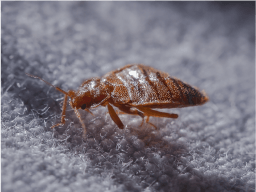
Bed bugs (Cimex lectularius) are small, wingless, parasitic insects that feed exclusively on human blood. Adults are about the size and shape of an apple seed — roughly 3/16 of an inch long, flat, oval, and reddish-brown. After a blood meal, their bodies swell, elongate, and darken to a deeper red. Nymphs are smaller and can be pale yellow or nearly translucent until they feed.
The Art of Hiding
What makes bed bugs so difficult to detect is their body shape. They’re dorsoventrally flattened—think of a book lying flat on a table—which lets them squeeze into cracks no thicker than a credit card. They’re primarily nocturnal, spending daylight hours tucked within arm’s reach of where humans sleep or rest. That said, they’ll happily feed during the day if that’s when a host is available.
Common harborage zones include mattress seams, tufts, and piping; screw holes, joints, and slat supports in bed frames; the wall-mounted gap behind headboards; nightstand drawers and upholstered furniture; and structural crevices behind baseboards, electrical outlet faceplates, picture frames, and curtain folds. If you can slide a credit card into it, a bed bug can live there.
The Tell-Tale Signs of an Infestation
Bed bugs are exceptional hiders. You’re far more likely to find evidence of their activity before you ever spot a live insect on your sheets.
Bites and Skin Reactions
Bed bug bites typically appear as red, itchy welts on exposed skin—arms, shoulders, neck, and legs—sustained while sleeping. They often show up in small clusters or linear patterns, sometimes called the “breakfast, lunch, and dinner” pattern by entomologists.
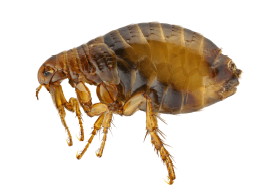
Here’s the catch: bites alone are not a reliable diagnostic tool. Roughly 30% to 50% of people show no visible skin reaction whatsoever to bed bug saliva, which means an infestation can grow undetected for weeks. On the other end, some people experience intense swelling and hives. Bed bug bites are also easily confused with mosquito bites, flea bites, or contact dermatitis. If bites are your only evidence, you need to look further before drawing conclusions.
Fecal Staining and Blood Spots
As bed bugs digest their meals, they deposit dark, rusty, or black specks of digested blood — small enough to look like fine-tip marker dots. These fecal spots tend to cluster along mattress seams, bed frame joints, and box spring tags. You may also find small, rusty blood smears on sheets or pillowcases from accidentally crushing an engorged bug in your sleep. Neither stain is pleasant to think about, but both are useful confirmation.
Cast Skins and Egg Shells
Bed bug nymphs must shed their exoskeleton five times before reaching adulthood. Each molt leaves behind a translucent, amber-colored casing that retains the shape of the bug. You may also find tiny, pearl-white eggs—about 1mm long—glued in clusters inside dark crevices. Finding cast skins in volume tells you the population has been reproducing in place, not just passing through.
How Bed Bugs Spread
One of the most persistent myths is that bed bugs come from outdoors — that they live in grass or fly through open windows. In reality, they almost always enter a home by riding in on something else.
Travel and public spaces are the primary vectors. Bed bugs crawl into suitcases, backpacks, coats, and purses left on hotel beds, theater seats, or public transit. Once you return home, they unpack themselves right into your bedroom — no invitation required.
Secondhand furniture is another major pathway. Bringing home a pre-owned couch, mattress, or wooden nightstand without a thorough inspection is one of the fastest ways to import a mature colony. That curbside dresser might look like a deal, but it could come with tenants.
Multi-unit dwelling migration rounds out the list. In apartment buildings and condominiums, bed bugs travel through electrical conduits, pipe chases, and shared wall voids to move from an infested unit into neighboring ones—often without either resident realizing it until the population is established on both sides.
DIY Options vs. Professional Bed Bug Treatment
When faced with a bed bug discovery, the instinct is to head to the store for bug bombs or liquid sprays. Unfortunately, most DIY bed bug attempts don’t just fail—they make the problem worse.
Why Bug Bombs Don’t Work
Total release foggers spray a fine mist that settles on open surfaces. They do not penetrate into deep mattress seams, behind baseboards, or inside electrical outlets—exactly where bed bugs spend their time. Some exposed bugs will die, but the vast majority are protected inside their harborage and never contact the product. Worse, the repellent effect of many foggers can scatter bugs into adjacent rooms, expanding the infestation.
The Rubbing Alcohol Myth
This one needs to be retired permanently. Yes, spraying a bed bug directly with high-concentration isopropyl alcohol will kill it. But water will drown it too, and nobody’s calling water a pest control strategy.
Rubbing alcohol evaporates almost instantly, leaving zero residual protection for bugs that crawl out five minutes later. More critically, saturating your mattress and upholstered furniture with a highly flammable liquid turns your sleeping area into a genuine fire hazard. Every year, fire departments across the country respond to house fires sparked by homeowners who doused their beds in alcohol and then flipped a light switch or turned on a space heater. This is not a fringe risk—it’s a documented, recurring one.
Essential Steps for Bed Bug Prevention
Whether you’ve just completed a professional treatment or want to protect your home proactively, these habits make a meaningful difference.
Encase your mattress and box spring. High-quality, lab-tested bed bug encasements trap any remaining bugs inside—where they can’t feed and eventually die—and eliminate the deep seams where new arrivals would hide. Think of it as locking the front door.
Inspect hotel rooms before settling in. When traveling, place your suitcase in the bathroom or on a luggage rack—never on the bed or carpeted floor. Pull back the sheets and check mattress seams, the box spring, and the headboard for dark fecal spots before you unpack.
Run high-heat laundry cycles after travel. When you get home, wash all clothing and run it through the dryer on high heat for at least 20 minutes. It’s the sustained heat that kills all life stages—washing alone isn’t enough.
Inspect secondhand goods before bringing them inside. Never bring curbside furniture or discarded mattresses into your home. Thoroughly inspect thrifted clothing, wooden furniture, and antiques with a bright flashlight before they cross the threshold.
Check yourself after visiting high-risk spaces. Assisted living facilities, healthcare settings, multi-family housing, and any known bed bug site warrant the same precautions as travel. Before you walk inside, check your clothing and shoes—especially the tread, where bed bugs tuck into the grooves.
When to Call a Professional
Modern bed bug populations have developed significant genetic resistance to many over-the-counter pyrethroid insecticides, which is why store-bought sprays so often disappoint. True eradication requires professional-grade tools, products, and knowledge.
Call licensed pest control experts if you confirm live bugs, eggs, or fecal spots in any sleeping or seating area; if you or family members are waking up with unexplained, recurring bites; or if you live in a multi-unit building and suspect a neighboring unit has an unaddressed problem.