
As summer and fall coax us into backyards, patio spaces, and garden beds, a quiet threat waits in the tall grass. Ticks are more than a minor outdoor nuisance—they’re specialized blood-feeding parasites that transmit serious pathogens to people and pets.
In recent years, expanding suburban development and shifting climate patterns have driven tick populations to surge across North America. The CDC reported earlier this year that weekly rates of emergency room visits for tick bites hit their highest mark since 2017. But protecting your family doesn’t mean staying locked indoors all summer. By understanding tick biology, managing your landscape, practicing personal protection, and knowing when to call a professional, you can create a significantly safer yard.
Common Tick Species and Their Habitats
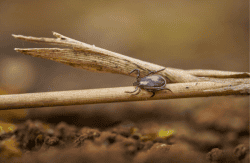
Effective tick prevention starts with knowing what you’re dealing with. Ticks aren’t insects—they’re arachnids, closely related to spiders and mites. They can’t fly or jump. Instead, they rely on a behavior called “questing”: climbing to the tips of grass blades or shrub branches, stretching out their front legs, and waiting for a host—a deer, a mouse, a dog, or you—to brush past so they can latch on.
Blacklegged Tick (Deer Tick)
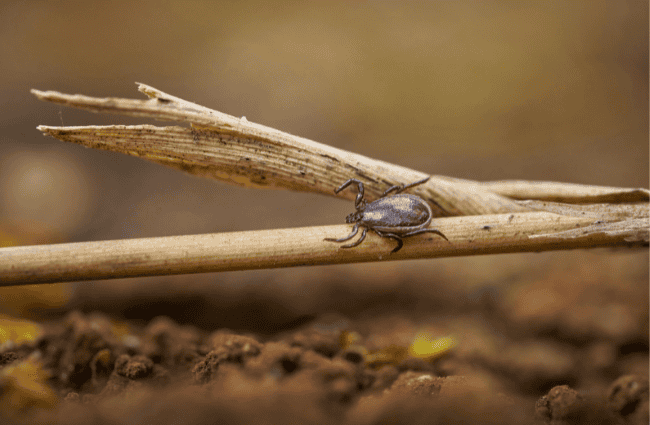
The blacklegged tick is small—nymphs are the size of a poppy seed, adults the size of a sesame seed—with a dark reddish-brown body and distinctive black legs. They favor dense woods, leaf litter, overgrown brush, and shady, high-moisture zones along property edges. This is the primary vector for Lyme disease, anaplasmosis, and babesiosis.
American Dog Tick
Slightly larger than the deer tick with ornate silver-white markings on its back shield. American dog ticks prefer open grassy fields, walkways, overgrown lawns, and sunlit pastures. They transmit Rocky Mountain spotted fever and tularemia.
Lone Star Tick
Females are identifiable by a single prominent white or silvery spot in the center of the back. Lone star ticks inhabit dense underbrush, woodland margins, and areas frequented by white-tailed deer. They transmit ehrlichiosis and can trigger alpha-gal syndrome—a potentially life-altering red meat allergy.
Why the Life Cycle Matters
Understanding tick biology explains why control isn’t a one-and-done event. Unlike mosquitoes that develop in weeks, most ticks take roughly two years to complete their life cycle. Eggs laid in spring hatch into six-legged larvae (“seed ticks”) in summer. Those larvae feed once, then overwinter. In year two, they molt into eight-legged nymphs, feed once more, and develop into adults by autumn. The adults overwinter again and lay eggs the following spring. Effective tick management has to account for multiple life stages across multiple seasons.
Tick-Borne Diseases: What’s at Stake
The surge in tick populations has brought a parallel rise in vector-borne disease, and understanding the risks reinforces why yard management and personal protection aren’t optional.
Lyme disease is the top concern for good reason—the CDC estimates over 475,000 Americans are diagnosed and treated for it each year. It’s caused by the bacterium Borrelia burgdorferi, transmitted primarily by blacklegged tick nymphs. Because nymphs are so small, most people who contract Lyme disease never recall being bitten.
Rocky Mountain spotted fever, spread by dog ticks, is caused by the bacterium Rickettsia rickettsii. It initially presents with flu-like symptoms, followed by a rash three to five days later. Left untreated, it can result in amputations, paralysis, and mental disability—with untreated cases carrying up to a 25% fatality rate.
Alpha-gal syndrome is the newest addition to the tick-borne disease landscape. A tick bite—typically from a lone star tick, though other species may carry it—can trigger a potentially life-threatening allergic reaction to red meat. Diagnosis is difficult because symptoms don’t appear until two to six hours after eating.
Environmental Tick Control: Yard Treatments and Landscape Design
You don’t have to drench your entire lawn in chemicals to manage ticks. They have a biological vulnerability worth exploiting: ticks are extremely susceptible to desiccation. They require high humidity and shade to survive. Alter your landscape accordingly, and you create conditions where ticks simply can’t persist.
Install a Physical Barrier
Create a three-foot-wide border of dry wood chips, cedar mulch, or pea gravel between any wooded edge and your open lawn. Ticks avoid crossing dry, exposed, sun-heated surfaces because it dries out their soft bodies. The barrier also serves as a visual reminder that you’re stepping into a higher-risk zone.
Practice Strategic Lawn Management
Keep grass mowed to three inches or shorter—sunlight penetrates to the soil, heating the ground and eliminating the cool, humid microclimate ticks depend on. Taller grass also puts ticks at the right height to quest onto a passing host.
Clear damp leaf litter along property edges in spring and fall. Leaf litter is the preferred shelter for white-footed mice—the primary reservoir host for Lyme disease bacteria. Stack firewood on metal racks off the ground in a sunny location away from the foundation, which also helps deter termites. And resist feeding wildlife—erect fencing or plant deer-resistant flora to keep white-tailed deer off your property, since a single deer can drop hundreds of adult ticks onto your lawn in a season.
Personal Protection: Clothing and Repellents
When venturing into high-risk areas—whether hiking a trail or simply gardening along property borders—your clothing is your first line of defense.
Wear light-colored fabrics. Ticks are dark and easy to spot against white, beige, or khaki before they reach skin. Tuck pants into socks — it looks ridiculous, but it forces ticks to crawl up the outside of your pants instead of finding a direct route up your bare leg.
Apply an EPA-registered repellent containing DEET (20–30%), picaridin, or oil of lemon eucalyptus to exposed skin. For gear and clothing, treat with permethrin—an insecticide applied to fabric only, never directly to skin. Permethrin-treated socks, boots, and pants don’t just repel ticks; they kill them on contact, and a single application survives up to six wash cycles.
The Post-Outdoor Protocol: Tick Checks and Removal
After mowing near edge lines, gardening, or playing outdoors, establish a strict routine for the entire household.
Dryer first, questions later. Throw clothes directly into the dryer on high heat for 10 to 15 minutes as soon as you come inside. Dry heat kills hitchhiking ticks by desiccating them. Washing in warm or cold water alone will not kill a tick.
Perform a targeted body check. Inspect in front of a full-length mirror, focusing on preferred hiding spots: inside the belly button, behind the ears, through the scalp, under armpits, around the waistline, between the legs, and behind the knees.
Shower within two hours. Showering within two hours of coming indoors has been shown to significantly reduce Lyme disease risk. Running water helps dislodge unattached ticks while giving you another chance for a thorough body scan.
Remove attached ticks correctly. If you find one, use fine-tipped tweezers to grasp it as close to the skin’s surface as possible. Pull straight up with steady, even pressure—don’t twist or jerk, which can break off the mouthparts. Wash the bite area with rubbing alcohol or soap and water. Skip the folk remedies—hot matches, petroleum jelly, and dish soap don’t work and can cause the tick to regurgitate pathogens into the bite wound.
How to Prevent Ticks
Physical landscape modifications dramatically lower your baseline tick risk, but homeowners adjacent to heavily wooded areas, wildlife corridors, or high-risk disease zones often need professional intervention to close the gap.
Professional tick treatment focuses on creating a residual barrier around your property’s outer edges—the transition zones where ticks actually live. Professionals also bring high-output sprayers that push product into dense foliage where ticks harbor but consumer equipment can’t reach.
Another tool in the professional arsenal isn’t a spray at all—it’s the tick tube. These biodegradable cardboard cylinders contain permethrin-treated cotton that wild mice collect to line their nests. The permethrin coats the mouse’s fur without harming the animal, killing any larval or nymphal ticks that try to feed on them.
Because mice are the primary reservoir for Lyme disease bacteria, treating the mice directly breaks the disease cycle at its source. Newer products take this a step further, using treated pellets to essentially vaccinate mice against Lyme—so even if an infected tick feeds, the mouse doesn’t become a carrier for the next generation.
When to Contact the Professionals
Like any pest, the goal is to address the underlying conditions driving the problem. With ticks, that’s a challenge—their two-year life cycle and broad host range make them persistent. Pesticides are part of the program, but they’re far more effective when paired with habitat modification and rodent reduction.
If your property backs up to woods or you’re finding ticks despite your best efforts, licensed pest control experts can build a multi-season control plan that targets every life stage—not just the adults you happen to see.