
Spider mites are tiny arachnids feeding on plant juices causing yellowing leaves, stippling damage, and potential plant death through progressive feeding damage and rapid reproduction.
Understanding spider mite identification, lifecycle, and plant damage helps homeowners recognize infestations early, implement prevention strategies protecting plants and gardens, and appreciate professional intervention managing severe infestations threatening valuable vegetation and landscape aesthetics through coordinated management combining environmental controls and targeted treatments eliminating populations.
What do spider mites look like?
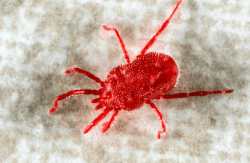
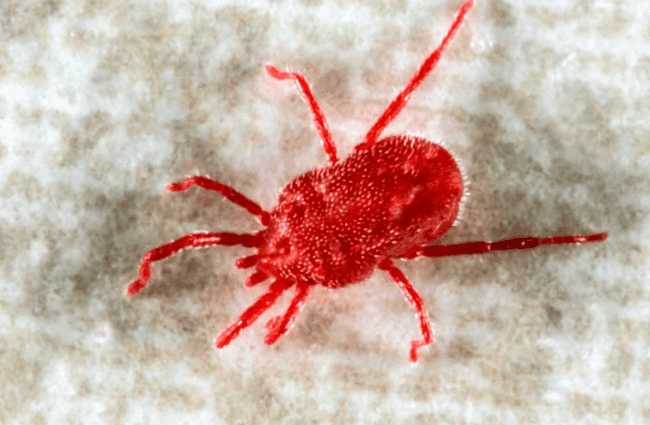
Spider mites are extremely small arachnids measuring 1/50 inch or smaller, barely visible to the naked eye, requiring magnification for positive identification, characterized by oval bodies, eight legs, and coloration ranging from red, yellow, orange, brown to translucent depending on species.
Two-spotted spider mites (Tetranychus urticae) are the most common pest species, identifiable by two dark spots on abdomens and fine webbing produced during feeding. Other species including red spider mites, Pacific spider mites, and carmine spider mites cause similar damage despite slight coloration differences.
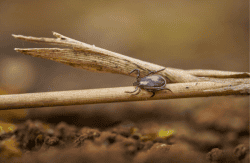
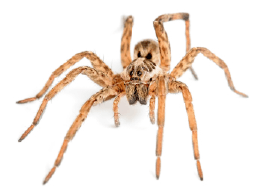
Spider mites are arachnids, not insects, possessing eight jointed legs rather than insect six legs. This distinction is important for understanding pest management approaches—spider mite treatments differ significantly from insect management. Their small size makes observation difficult without magnification, though webbing presence often provides first evidence of infestation before individual mites are visible.
Eggs are nearly invisible, appearing as tiny spheres on leaf undersides. Nymphs resemble miniature adults, gradually increasing in size through development. Massive populations create visible webbing on plants—fine silken threads covering leaves and stems protecting mite colonies from environmental stress and predation. The combination of tiny individual mites and extensive webbing creates characteristic appearance enabling identification despite mite invisibility.
The lifecycle of a spider mite
Spider mites undergo rapid reproduction with egg-to-adult development requiring only 5-20 days depending on temperature, enabling multiple overlapping generations annually and exponential population growth from single mites to thousands within weeks. Females lay dozens to hundreds of eggs during lifetimes, with eggs hatching within 3-5 days. Nymphs develop through two stages over 5-15 days before reaching adulthood.
Adult mites live 2-4 weeks, with females producing continuous eggs throughout lifespan. Reproductive capacity is exceptional—a single female can produce dozens of offspring enabling population doubling every 5-10 days under ideal conditions. This rapid reproduction creates explosive population growth making spider mite infestations escalate quickly from minor problems to severe damage.
Temperature dramatically affects development—warm conditions (75-85°F) accelerate development maximizing reproduction, while cooler temperatures slow development. Indoor environments with consistent heating often support year-round populations with continuous activity. Outdoor populations peak during warm seasons with population crashes during winter in cold climates.
Spider mites enter dormancy during unfavorable conditions, becoming resistant to harsh environments. Female mites can survive winter without activity, emerging in spring to restart populations. This survival mechanism enables spider mite persistence across seasons despite seasonal temperature fluctuations.
Where are you most likely to find spider mites?
Spider mites concentrate on plant foliage including houseplants, ornamental plants, garden vegetables, fruit trees, and outdoor landscaping, with populations establishing on undersides of leaves where feeding damage concentrates and protective webbing provides shelter.
Indoor houseplants provide ideal conditions—warm temperatures, low humidity, protected environments, and abundant foliage supporting large populations. Windowsill plants, hanging baskets, and potted vegetation commonly become infested.
Outdoor gardens and landscapes support seasonal spider mite populations, particularly during hot, dry weather. Vegetables including beans, cucumbers, and squash experience heavy mite pressure. Fruit trees, ornamental shrubs, and landscape plants all experience potential infestation. Stressed plants weakened by drought or poor nutrition become particularly susceptible to spider mite damage.
Spider mites prefer dry conditions, making hot, arid climates and indoor heating-dominated environments ideal for population establishment. They thrive when humidity is low and temperatures are elevated. Properties with poor watering practices, drought stress, or neglected plants experience higher infestation incidence.
Greenhouse and nursery environments support massive spider mite populations if left unmanaged. Plants in confined spaces with limited air circulation and high densities create ideal spider mite conditions. Commercial growers implement extensive spider mite monitoring and management preventing population explosions destroying valuable crops.
Signs you might have a spider mite infestation
Multiple indicators help identify spider mite problems requiring management:
- Yellowing or stippled leaves: Fine speckled discoloration appearing as tiny yellow or white spots on leaves indicates feeding damage.
- Fine webbing on plants: Delicate silken webbing covering leaves, stems, and plant structures indicates active spider mite colonization.
- Leaf curling and distortion: Leaves becoming curled, twisted, or deformed indicate cumulative feeding damage from large mite populations.
- Premature leaf drop: Leaves yellowing and dropping from plants indicate severe spider mite stress exhausting plant resources.
- Visible mites with magnification: Tiny moving dots visible under magnification on leaf undersides confirm spider mite presence.
- Plant decline despite adequate water: Healthy-appearing plants suddenly declining and wilting despite proper watering indicates possible spider mite stress.
- Webbing intensification over time: Progressive webbing expansion and increased damage indicates growing populations requiring intervention.
How to prevent a spider mite infestation
Preventing spider mite establishment requires environmental management and plant health maintenance:
- Maintain adequate humidity: Keep indoor humidity above 50 percent through misting or humidifiers discouraging spider mite reproduction.
- Provide good air circulation: Use fans and open windows improving air movement reducing favorable spider mite conditions.
- Water plants adequately: Maintain consistent moisture preventing drought stress weakening plant resistance to spider mite damage.
- Avoid excessive heat: Keep indoor temperatures moderate avoiding extreme heat favoring spider mite reproduction.
- Inspect new plants carefully: Examine incoming houseplants and garden materials for spider mite presence before introduction.
- Isolate infested plants: Separate affected plants preventing mite spread to healthy vegetation.
- Clean plants regularly: Remove dust and debris from foliage and wash leaves with water reducing mite establishment sites.
How to get rid of a spider mite infestation
Eliminating spider mite infestations requires targeted treatments and environmental modifications:
- Apply insecticidal soap: Use organic soap sprays targeting soft-bodied mites, applying thoroughly to leaf undersides and plant surfaces.
- Use neem oil products: Apply neem oil treatments disrupting mite reproduction and feeding, following label directions for application timing.
- Increase humidity dramatically: Raise indoor humidity to 60-80 percent creating hostile conditions for spider mite reproduction and survival.
- Apply miticide treatments: Use specific acaricide products targeting spider mites when infestations are severe, applying according to label directions.
- Prune heavily infested foliage: Remove and dispose of severely damaged leaves and branches reducing mite populations and plant stress.
- Contact professional pest control: Seek expert assistance for severe infestations on valuable plants, persistent problems, or commercial applications requiring professional management and specialized treatments.
Conclusion
When dealing with spider mite infestations throughout your property and need expert assessment confirming infestation severity and appropriate treatment pricing, contact our partners today for a free quote and comprehensive evaluation.
Our pest control experts will assess the extent of spider mite infestation indicated by yellowing and stippled leaves, fine webbing on plants, leaf curling and distortion, and progressive plant decline.
FAQs about spider mites
Here are some frequently-asked questions by homeowners on spider mites and how they affect gardens.
A: Yes, spider mites readily infest indoor houseplants and potted vegetation, thriving in warm, dry indoor environments with consistent heating and low humidity. Indoor conditions are often ideal for spider mite reproduction with temperatures, low humidity, and abundance of houseplant foliage supporting large populations. Infested houseplants brought indoors can introduce spider mite populations establishing on additional plants and spreading throughout homes.
A: Yes, diluted dish soap solution works as an insecticidal soap coating and suffocating spider mites, though commercial insecticidal soaps are more effective and specifically formulated for pest management. Mix dish soap with water following label directions, spray thoroughly on affected plants including leaf undersides, and repeat applications weekly until mites are eliminated. Test on small plant sections first preventing damage to sensitive foliage.
A: Spider mites establish populations in warm, dry, low-humidity conditions favoring rapid reproduction, with stressed plants weakened by drought, poor nutrition, or neglect becoming particularly susceptible to infestation. Indoor heating, reduced winter humidity, and lack of air circulation create ideal spider mite environments. Hot outdoor weather and arid climates support seasonal population outbreaks. Poor plant care and environmental stress invite spider mite colonization and population establishment.