
Key Takeaways
- Snails are soft-bodied mollusks with spiral shells that thrive in moist, shaded environments and are most active at night or after rainfall.
- Most snails found around U.S. homes do not bite, sting, or pose a direct threat to people, but their feeding can damage garden plants, seedlings, flowers, and low-growing produce.
- Common signs of snail activity include irregular holes in leaves, shiny slime trails, damaged seedlings, and feeding marks on fruits or vegetables near the soil.
- Reducing excess moisture, clearing damp hiding places, trimming dense vegetation, and protecting vulnerable plants can make gardens and lawns less favorable to snails.
- Professional pest control may be helpful when snail activity becomes widespread, plant damage continues despite preventive measures, or their hiding areas are difficult to locate.
Snails are a familiar sight in gardens, lawns, and shaded outdoor spaces, especially after rain or during damp seasons. While they move slowly, their habits can make them more noticeable than many homeowners expect.
Snails on plants aren’t unusual in a natural ecosystem, but when conditions allow them to gather in larger numbers, their feeding activity can begin to affect the appearance and growth of certain plants. Understanding what draws them in and how they behave outdoors can help you manage their impact and make thoughtful decisions about your garden or lawn.
What Are Snails?
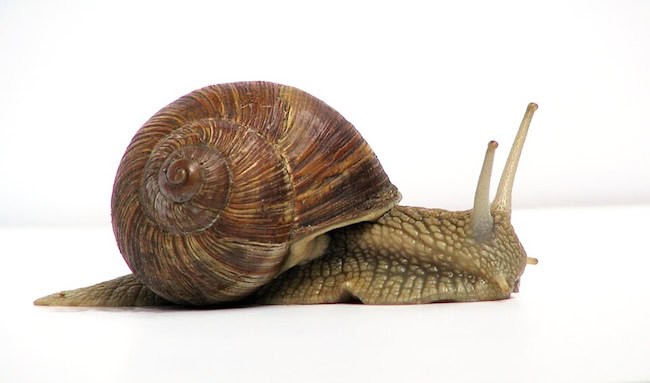
Snails are soft-bodied, slow-moving mollusks(or mollusca) that protect themselves with a spiral shell. They thrive in moist, shaded environments and feed on a variety of organic materials, including plant matter and decaying debris. Outdoors, you might spot them:
- Near garden beds and mulch.
- Under stones, logs, or patio items.
- Along walkways after rainfall.
- Beneath dense foliage or watering zones.
Snails are most active at night or on cloudy, damp days. Their moisture-dependent lifestyle makes them especially common in well-watered lawns, shaded landscaping, and gardens with dense vegetation. Even though snails move slowly, they can appear suddenly because they often hide during the day and emerge all at once when conditions become favorable.
Are Snails Harmful?
Snails are generally not considered harmful to people. They don’t bite or sting, and most species found around homes in the United States aren’t known to pose risks to humans. Their impact is more noticeable outdoors, where their feeding habits can affect plants and lawns over time.
Snails on Plants: What They Eat and Why They Show Up
Snails feed using a tiny, sandpaper-like mouthpart called a radula, which allows them to scrape plant surfaces or chew through soft leaves. A healthy outdoor ecosystem contains some level of snail activity. But when moisture, shelter, and food are abundant, their numbers may rise, and their feeding habits can start affecting the appearance of your plants.
Are Snails Harmful to Plants?
Depending on species, plant type, and local conditions, snails can affect plants in different ways. In many home gardens, they may chew holes in leaves, feed on soft fruits or vegetables near the soil, wear down flowers or ornamental plants, or target seedlings that haven’t developed strong roots yet.
Some of the plants they commonly prefer include lettuce, basil, marigolds, hostas, strawberries, and other varieties that retain more moisture. Snail feeding doesn’t typically kill plants outright, but repeated grazing can weaken new growth and cause stress (especially if the plants are already struggling due to heat, drought, or nutrient problems).
Common Signs of Snail Activity in Gardens and Lawns
If you’re trying to determine whether snails are affecting your plants or lawn, here are some common things to look for:
- Irregular holes in leaves: Snails often leave uneven or ragged edges on tender leaves, especially on leafy greens and young ornamentals.
- Shiny, silvery trails: As they move, snails leave behind thin, shimmering trails. These may appear on walkways, in pots, on garden stones, or on plant surfaces.
- Damage to seedlings: New plants may appear chewed, weakened, or cut down at the soil line.
- Worn-down, low-lying fruit or vegetables: Strawberries, squash, and other produce that sit near the ground may show marks from snails.
- Thinning or stressed patches in shaded parts of the lawn: Snails sometimes feed on tender grass shoots in consistently damp areas.
While these signs may not always indicate heavy activity, noticing them more frequently can help you determine when it may be time to reduce moisture, change watering schedules, or adjust sheltering conditions around your outdoor spaces.
How to Reduce Snails Around Plants and Lawns in 4 Steps
While snails are part of the natural outdoor environment, there are 4 steps you can take to help reduce their activity in the areas where they cause the most damage.
1. Reduce Excess Moisture
Watering early in the morning instead of in the evening helps plants dry out before nightfall, when snails are most active. Homeowners can also check for:
- Leaks in irrigation systems
- Constantly wet mulch
- Areas where water collects along borders
Improving drainage or adjusting watering schedules may reduce snail activity in certain areas.
2. Clear Debris and Shelter Spots
Snails hide under objects that trap cool, damp air. Removing or rotating certain items can decrease their hiding places. This includes:
- Boards
- Stacked planters
- Unused stones or bricks
- Dense piles of leaves
Keeping the immediate areas around garden beds clear of clutter may help limit daytime sheltering.
3. Protect Vulnerable Plants
Seedlings, leafy vegetables, and low-lying fruit may need extra attention. Elevating certain plants, using raised beds, or placing decorative barriers around them may help reduce direct access.
4. Trim Dense Vegetation
Snails prefer deep shade and heavy ground cover. Thinning overgrown areas allows more sunlight to reach the soil, which can make the environment less favorable for their activity.
When to Call a Pest Control Professional
A few snails outdoors is normal, but there are times when reaching out for professional support makes sense:
- You notice repeated plant damage despite changes to moisture or shelter.
- Snails appear in large clusters after rain or irrigation.
- Activity spreads across multiple beds or lawn areas.
- You can’t determine where they’re hiding or breeding.
Pest control professionals can identify areas where snails gather, recommend ways to reduce attractants, and provide treatments to address activity around your plants and lawn.
Frequently Asked Questions About Snails on Plants
Here are some commonly-asked questions from homeowners about snails on plants.
A: Snails are most active when moisture levels rise. Rain increases humidity and softens the ground, creating ideal conditions for them to move, feed, and explore. After a storm or heavy watering, snails may emerge from hiding all at once, which can make them seem more abundant than usual.
A: Not always. While snails commonly feed on tender leaves and young plant growth, they may also graze on algae, fungi, and decaying organic matter. What they choose often depends on what’s available in the immediate environment.
A: Snails and slugs are related, but they aren’t the same. The most noticeable difference is that snails have an external shell, while slugs do not. Even though they look different, both can be found in similar outdoor environments and may feed in similar ways.
A: Yes. Potted plants create cool, sheltered spaces beneath containers and trays, which can attract snails during the day. Once active at night, they may feed on the leaves, stems, or soil-level growth of container plants.
A: Snails lose moisture quickly in dry or sunny conditions, so shaded locations help them stay hydrated. Areas with dense foliage, moist soil, or thick mulch naturally hold more humidity, making them appealing places for snails to hide and feed.
Protect Your Lawn from Snails with Pest Control Experts
If snails are becoming more noticeable around your yard or garden, getting support from a local professional can help you understand what’s attracting them and what steps you may take to reduce their impact. Pest Control Experts connects you with nearby pest control providers who can look at the conditions around your property and offer guidance based on what they find.
Whether you’re seeing increased plant feeding or more activity after rainy weather, reaching out for a quote is an easy way to get started. Request a complimentary quote from Pest Control Experts today and connect with a local pest control professional who can walk you through your options.