
Mouse droppings and rat droppings are key indicators of rodent infestation types, with size, shape, and location patterns helping homeowners identify pest species requiring different control strategies.
Understanding the differences between mouse and rat feces enables accurate pest identification, assessment of infestation severity, recognition of health hazards from contaminated droppings, and implementation of appropriate rodent control methods targeting specific pest species established in structures requiring professional intervention.
What does mouse poop look like?
Mouse droppings are small, dark brown to black pellets measuring approximately 1/4 inch long (3-8mm), appearing as tiny rice-shaped particles with pointed or rounded ends, scattered in irregular patterns throughout infested areas.
Fresh mouse droppings appear moist and shiny, gradually darkening and drying over time becoming hard, brittle, and crumbly. Mouse poop typically has a slightly musty odor, though the smell is much less pungent than rat feces or the strong urine smell accompanying mouse infestations.
Mouse droppings are commonly found in kitchen cabinets, pantries, along baseboards and wall edges, in attics and wall voids, under appliances, and in drawers where mice forage for food. Mice produce approximately 40-100 droppings daily, with visible accumulations indicating active infestations. Unlike rats that defecate in concentrated areas, mice scatter droppings throughout their travel routes creating multiple small accumulations rather than large fecal deposits.
The small size and scattered distribution pattern help distinguish mouse droppings from larger rat feces. Finding abundant small pellets throughout various areas strongly indicates mouse infestation rather than rat presence. However, very young rats or juvenile roof rats can produce droppings similar to mouse size requiring careful examination of other evidence including gnaw marks, body prints, and entry point sizes confirming actual pest species.
What does rat poop look like?
Rat droppings are significantly larger than mouse feces, measuring approximately 1/2 to 3/4 inch long (12-18mm), appearing as capsule or spindle-shaped pellets with blunt or slightly tapered ends, much thicker and more substantial than mouse droppings.
Fresh rat droppings appear moist, glistening, and dark brown to black, gradually drying and becoming harder and duller over several days. Rat feces produce strong, distinctive odors contributing to the pungent ammonia-like smell permeating infested structures.
Rat droppings concentrate in specific areas where rats repeatedly defecate, creating concentrated fecal deposits rather than scattered droppings. Typical accumulation sites include basement corners, under sinks, behind major appliances, in attics along beams, along wall edges, and in crawl spaces where rats frequent. Rats produce approximately 20-50 droppings daily depending on species and diet, with droppings often found in piles indicating regular latrine sites.
The larger size and concentrated distribution distinguish rat feces from mouse droppings scattered throughout properties. Finding thumb-sized pellets in concentrated piles strongly indicates rat infestation.
However, distinguishing between different rat species (Norway rats versus roof rats) requires additional evidence including dropping size comparison, location patterns (ground-level versus upper areas), and other signs like gnaw marks and body prints confirming actual rat species and infestation locations.
Does mouse poop contain diseases?
Yes, mouse droppings are disease vectors potentially containing dangerous pathogens including Salmonella, E. coli, Hantavirus, and various other bacteria and viruses transmissible through direct contact with feces, inhalation of aerosolized particles, or contact with contaminated surfaces.
Hantavirus infection through inhalation of dried mouse fecal dust causes serious respiratory illness potentially fatal in immunocompromised individuals. Salmonella and E. coli contaminate food preparation surfaces and stored foods creating gastrointestinal disease risks for occupants consuming contaminated products.
Mouse droppings create particular contamination concerns in kitchens and food storage areas where rodents frequently forage seeking food. Contaminated surfaces, stored foods, and food preparation areas create direct transmission routes for diseases through ingestion. Respiratory transmission through aerosolized fecal dust occurs during cleanup activities if proper precautions aren’t taken, creating significant health hazards for people handling contaminated materials.
Beyond pathogens, mouse droppings trigger allergies and asthma through accumulated allergens affecting respiratory health. Accumulated fecal dust in attics, wall cavities, and living spaces creates continuous allergen exposure for occupants. Heavy mouse infestations produce substantial fecal accumulations creating measurable health impacts through disease transmission and allergen exposure requiring professional cleanup and remediation preventing health consequences.
The combination of pathogenic contamination, food poisoning risks, respiratory transmission hazards, and allergen production makes mouse droppings genuine health threats requiring appropriate protective measures during cleanup and professional remediation for heavy contamination.
Does rat poop contain diseases?
Yes, rat droppings are disease vectors potentially containing even more dangerous pathogens than mouse feces including Salmonella, E. coli, Leptospirosis, Rat-Bite Fever, and various viruses transmissible through direct contact, inhalation, or contamination of food and surfaces.
Leptospirosis causes serious systemic illness with fever, muscle aches, and potential kidney/liver failure if untreated. Rat urine is the primary transmission route for Leptospirosis, though contaminated droppings also carry the pathogen. Rat-Bite Fever can develop from bite wounds or handling infected rat feces.
Rat droppings contaminate larger areas than mouse feces due to concentrated latrine sites creating significant contamination in affected zones. The pungent odor from rat droppings and urine permeates structures creating noticeable contamination evidence. Heavy rat infestations produce substantial fecal accumulations creating major disease transmission risks and requiring professional cleanup using appropriate hazmat protocols protecting remediation workers.
Rat infestations in homes, particularly in kitchens, basements, and living areas, create serious food contamination risks and respiratory exposure hazards. Stored foods, food preparation surfaces, and dinnerware contaminated with rat feces pose direct disease transmission through ingestion. Respiratory exposure through inhalation during cleanup activities without proper protection creates significant health risks requiring professional intervention.
The greater disease transmission risk from rat droppings compared to mouse feces, combined with larger contamination volumes and concentrated fecal deposits, makes rat infestations serious health threats requiring prompt professional intervention addressing both rodent elimination and contaminated area remediation.
What are the main differences between mouse poop and rat poop?
Primary differences include size—mouse droppings measure approximately 1/4 inch while rat feces are 1/2 to 3/4 inch; shape—mouse poop is rice-shaped with pointed ends while rat droppings are capsule-shaped with blunt ends; distribution—mouse feces scatter throughout travel routes while rat droppings concentrate in latrines; and daily production—mice produce 40-100 droppings daily versus 20-50 for rats.
Odor intensity differs dramatically with rat feces producing pungent ammonia-like smells versus milder mouse droppings.
Mouse droppings appear in multiple small accumulations throughout infested areas including pantries, cabinets, drawers, wall voids, and attics, indicating active foraging throughout properties. Rat droppings concentrate in specific latrines particularly in basements, crawl spaces, behind appliances, and along walls where rats repeatedly defecate creating visible fecal piles.
Location patterns help distinguish species—mouse droppings in upper cabinets and pantries suggest house mice, while rat droppings in basements and crawl spaces indicate Norway rats. Roof rat droppings appear in attics and upper-level areas, while Norway rat feces concentrate in lower-level protected spaces. Combining fecal identification with location patterns, gnaw mark sizes, and entry point assessment provides accurate pest species identification.
Other distinguishing features include body prints in dusty areas (mice leave smaller prints than rats), urine odor intensity (rats produce much stronger ammonia smell), and damage patterns (mice create smaller gnaw marks than rats). Comprehensive pest identification using multiple evidence sources ensures accurate species determination guiding appropriate control strategies.
What to do if you have mouse poop in your home
Discovering mouse droppings requires immediate action addressing contamination and elimination:
- Do not vacuum or sweep: Avoid vacuuming or sweeping droppings dispersing aerosolized particles creating respiratory exposure hazards—instead use wet methods concentrating particles.
- Use appropriate personal protective equipment: Wear gloves, N95 or HEPA-filter masks, and eye protection during cleanup preventing direct contact and inhalation exposure to contaminated particles.
- Clean contaminated surfaces thoroughly: Spray droppings with disinfectant solution, allow to soak briefly, wipe with disposable cloths, and dispose of materials in sealed bags preventing pathogen dispersal.
- Discard contaminated foods and materials: Remove and dispose of any foods potentially contacted by mice, discard contaminated insulation and materials, and replace with new clean materials.
- Seal entry points and gaps: Close all openings allowing mouse access—seal cracks, gaps around pipes, damaged screens, and foundation penetrations with appropriate materials preventing reinfestation.
- Contact professional pest control: Seek expert assistance for heavy contamination, attic remediation, wall cavity treatment, ongoing infestations, or any situation exceeding homeowner ability to address safely and completely.
What to do if you have rat poop in your home
Discovering rat droppings requires immediate professional intervention:
- Avoid direct contact and inhalation: Do not touch, vacuum, or sweep droppings—contact professional pest control for safe cleanup and remediation preventing serious disease transmission risks.
- Identify rat entry points: Locate holes, gaps, damaged screens, and foundation cracks where rats enter, noting sizes and locations for professional exclusion planning.
- Secure food sources immediately: Store all foods in sealed containers, remove accessible garbage and debris, clean up spilled foods thoroughly, and eliminate attractants supporting rat populations.
- Document infestation locations: Note where droppings appear, gnaw marks, dead rats (if present), and any damage observed helping professionals assess infestation extent and species identification.
- Implement interim protection: Seal trash cans, secure compost, remove pet foods, eliminate water sources, and implement temporary barriers preventing additional rat entry while awaiting professional treatment.
- Contact professional pest control immediately: Seek expert assistance for any confirmed rat infestation—professionals provide proper cleanup using hazmat protocols, safe rodent elimination, comprehensive exclusion, and remediation protecting household health.
Signs you have a rodent problem
Multiple indicators help identify active rodent infestations beyond droppings alone:
- Visible droppings: Fresh, moist droppings in kitchens, pantries, basements, attics, or along walls indicate active infestations requiring identification and control.
- Gnaw marks on food packages and materials: Tooth marks on food boxes, wiring, wood, and plastic materials indicate gnawing activity typical of active rodent presence.
- Distinctive odors: Pungent ammonia-like smell from urine and feces permeates infested structures—stronger for rats than mice—alerting occupants to infestation presence.
- Nighttime sounds: Scratching, squeaking, running, and scurrying sounds in walls, attics, and ceilings particularly at night indicate active rodent movement and nesting.
- Body prints and rub marks: Dusty areas show dark greasy markings and footprints where rodents travel regularly along wall edges and in access routes.
- Nesting materials and signs: Shredded paper, insulation, fabric, and plant material in corners, wall voids, and protected spaces indicate nest construction.
- Dead rodents or traps activated: Finding dead mice/rats or triggered traps with no rodent capture confirms infestation presence requiring comprehensive control.
Conclusion
If you’re discovering rodent droppings in your home and need expert identification determining whether you’re dealing with mouse or rat infestations, contact our partners today for a free quote and comprehensive assessment.
Our pest control experts such as like Terminix and Aptive Pest Control will accurately identify droppings by size, shape, and location patterns confirming whether you have mice or rats requiring species-specific control approaches, assess infestation extent and severity throughout your property, and locate entry points and harborage areas supporting rodent populations.
Frequently Asked Questions (FAQs) about mouse and rat poop
Here are some commonly-asked questions about rodent droppings from homeowners.
A: Rats are generally harder to eliminate than mice due to their intelligence, cautious behavior toward new objects and changes, ability to learn from failed traps, and larger size making population control more difficult.
However, mice reproduce faster (every 3-4 weeks versus rats’ 9-10 weeks), enabling rapid population recovery if control is incomplete. Both require comprehensive approaches combining trapping, exclusion, and sanitation for complete elimination.
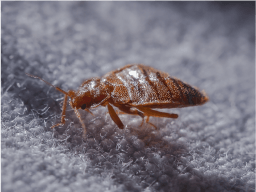
A: Bed bug droppings are commonly mistaken for mouse feces—they appear as small dark specks but lack the oblong shape of mouse droppings and typically appear in clusters near sleeping areas rather than scattered throughout kitchens and pantries. Bat guano is also sometimes confused with mouse feces but produces different odors and concentrates in attics. Insect frass (droppings) from various beetles and insects can also resemble mouse poop requiring expert identification.
A: Snap traps designed correctly can kill rodents almost instantly when properly set and triggered, providing quick, humane death without prolonged suffering. Poison requires days to take effect as rodents consume lethal doses, making traps more efficient for immediate elimination. Electronic traps also provide quick kills. Professional pest control uses appropriate methods ensuring rapid, effective elimination combined with comprehensive exclusion preventing reinfestation.