
11 Top Pests in Texas: Signs & Prevention Tips for Homes
Key Takeaways
- Common pests in Texas can stay active for much of the year due to the state's warm climate, diverse environments, and rapid development.
- Pests in Texas, such as ants, cockroaches, mosquitoes, termites, and rodents, may enter homes in search of food, water, and shelter.
- Recognizing signs such as droppings, nests, mud tubes, insect trails, and recurring activity can help you identify household pests in Texas.
- Simple steps such as sealing entry points, reducing moisture, storing food properly, and maintaining vegetation can help limit conditions that attract common pests in Texas.
- When pest activity persists or involves potentially damaging or hazardous species, professional pest control in Texas can help identify the source and determine appropriate treatment options.
Living in Texas means dealing with plenty of sunshine, warm temperatures, and diverse landscapes. However, those same conditions can also make it easier for common pests in Texas to thrive and stay active for much of the year.
From tiny ants in the kitchen to mosquitoes gathering around standing water, pests in Texas can find their way into your homes in search of food, water, shelter, or favorable conditions. In this blog, we’ll look at 11 common pests in Texas, the signs to watch for, practical tips to help you manage pest problems, and when pest control in Texas may be worth considering.
Why Are Pests So Common in Texas?
From the Gulf Coast to the deserts of West Texas, different pests in Texas can find environments where they can reproduce, while growing neighborhoods provide new sources of food, water, and shelter. Several factors contribute to the prevalence of common pests in Texas.
Sitting in a warm southern zone, Texas experiences extended heat and mild winters that rarely disrupt pest populations. Many insects and other arthropods are ectothermic, meaning they rely on external heat to regulate body temperature. Texas’ warm climate can limit prolonged dormancy, supporting higher reproductive rates and year-round activity than northern states.
Texas spans multiple ecosystems, from humid coastal swamps and pine forests to prairies, hill country, and desert brushlands. This environmental diversity provides suitable habitats for a wide range of pests in Texas with different habitat needs.
Expanding metro areas (like Houston, Dallas-Fort Worth, Austin, and San Antonio) and active agricultural zones bring human environments closer to native wildlife. As residential neighborhoods expand alongside these areas, pests in Texas may have closer contact with homes.
The 11 Most Common Pests in Texas
Not every pest is equally common in every part of the state, but the following are among the common pests in Texas that you, as a homeowner, may encounter. For each pest, we’ll look at why it may enter or gather around a home, signs to watch for, and concerns to consider.
1. Ants
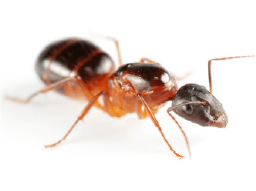
Ants are one of the most common pests in Texas, with species such as fire ants, carpenter ants, and odorous house ants frequently encountered around homes. Each species has different nesting habits and behaviors, adapting to environments ranging from soil and landscaping to wall voids and pavement cracks.
Your home may attract ants when they find accessible food or water, particularly in kitchens, bathrooms, and other areas with moisture problems. Extreme Texas weather can also drive ant colonies indoors. Once scout ants find an accessible food or water source, they may leave pheromone trails that help other ants follow the same path into your home.
What to look for:
- Lines or trails of ants moving toward a food or water source.
- Ant activity around windows, doors, or plumbing.
- Small soil mounds or disturbed soil outdoors.
- Flying ants appearing indoors.
2. Cockroaches
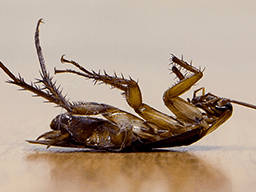
Cockroaches are common household pests in Texas, with several species thriving in warm, humid environments. American cockroaches are often associated with damp areas such as drains, sewers, and utility spaces, while German cockroaches are commonly found indoors where food, water, and shelter are available.
Cockroaches reproduce quickly and can hide in narrow cracks and crevices, making it difficult to determine the extent of an infestation from sightings alone.
What to look for:
- Live cockroaches, especially at night.
- Small dark droppings around cabinets or appliances.
- Egg cases in sheltered areas.
- Shed skins.
Many cockroach species can live weeks without food by slowing their metabolism, but they cannot survive nearly as long without water. Even small sources of moisture, such as leaks or damp areas, may help sustain an infestation in your home.
3. Mosquitoes
Mosquitoes thrive during warm periods when conditions are favorable for breeding and adult activity. Female mosquitoes bite people and animals for the blood needed to produce eggs, while standing water in containers, gutters, plant saucers, and other areas provides breeding sites.
Even small amounts of stagnant water can become breeding sites if it remains undisturbed long enough for mosquitoes to reproduce. Some mosquito species, including Aedes, Culex, and Anopheles mosquitoes, can transmit diseases such as West Nile fever, dengue, Zika, malaria, and chikungunya.
What to look for:
- Mosquitoes gathering in shaded outdoor areas.
- Wiggling larvae in water.
- Water collecting in gutters, buckets, or plant saucers.
- Increased biting activity around dawn or dusk.
Only female mosquitoes bite. Male mosquitoes are nectar-drinkers that feed strictly on plant sap, fruit juices, and flower nectar. Female mosquitoes seek blood because the proteins and nutrients help them develop their eggs.
4. Termites
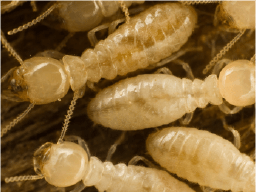
Termites may cause costly damage to homes by consuming cellulose-based materials such as structural timber, wall studs, subflooring, and paper-faced drywall. They eat wood from the inside out, so infestations often go unnoticed until significant structural damage occurs.
Subterranean termites are among the termite species homeowners in Texas may encounter. Termite colonies live below ground, maintaining vital moisture levels by building pencil-thin mud tubes up foundation walls, through slab cracks, or along expansion joints to secretly reach structural wood.
Spring rains also trigger mass “swarming” flights of reproductive termites, signaling nearby mature colonies. Once an infestation is established, professional evaluation and treatment can help determine the extent of the infestation and the most appropriate control method.
What to look for:
- Mud tubes along foundations or other surfaces.
- Hollow-sounding or visibly damaged wood.
- Discarded wings near windows or other openings.
- Bubbling paint or pinhole dots on drywall that resemble water damage.
5. Rodents
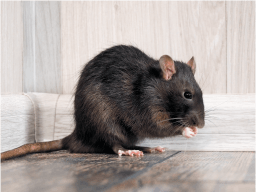
Norway rats, roof rats, and house mice are aggressive opportunists in Texas, frequently invading homes when seasonal heat or sudden cold snaps drive them indoors in search of food and shelter. They may enter through relatively small openings, especially around utility penetrations, doors, vents, and other structural gaps.
Once inside, rodents establish hidden nests in attic insulation, crawlspaces, and wall voids. Since rodents are primarily active at night, a daytime sighting may warrant closer attention to signs of activity in the home.
Rats and mice pose several health risks by spreading diseases such as Hantavirus, Salmonellosis, and Leptospirosis through urine, droppings, and saliva. Their constant gnawing also damages wood, PVC, and electrical wiring, creating serious fire hazards. They may also carry fleas, ticks, and mites into your home.
What to look for:
- Droppings near food storage or along walls.
- Gnaw marks on materials or food packaging.
- Scratching or movement sounds in walls or ceilings.
- Greasy rub marks along frequently traveled surfaces.
6. Spiders
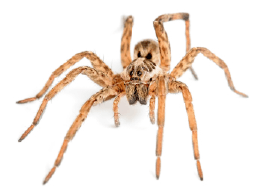
Spiders are widespread across Texas and may enter homes while hunting prey, seeking shelter, or escaping outdoor conditions. Texas is home to venomous species such as black widows and brown recluses. If you suspect you have one of these, avoid handling it and contact a pest control professional for assistance.
However, most domestic sightings involve species like wolf spiders, house spiders, and jumping spiders that prey on other pests. An increase in spider activity may indicate that conditions around the home are providing suitable shelter or access to prey.
What to look for:
- Webs in undisturbed corners or exterior areas.
- Increased spider activity where insects are abundant.
- Egg sacs in sheltered areas.
- Repeated sightings of unfamiliar or potentially venomous species.
7. Wasps and Hornets
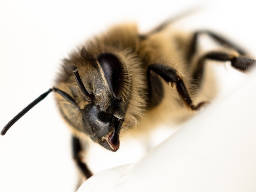
Wasps and hornets may become a concern around Texas properties from spring through fall. Seeing a few does not necessarily mean there is a large nest nearby, but repeated activity in one area may indicate a nest.
Common species in Texas include paper wasps, which often build open, umbrella-shaped nests under eaves and porch roofs, while yellowjackets and hornets may build enclosed nests in trees, underground areas, or wall voids.
Avoid disturbing an established wasp or hornet nest, as doing so may provoke defensive behavior. Contact a pest control professional for nest removal.
What to look for:
- Repeated insect traffic entering eaves, sidings, or burrows.
- Umbrella-shaped combs under eaves or gray spheres in trees.
- Wasps hovering near holes in lawns, mulch, or root bases.
- Steady traffic through a wall opening.
8. Flies
Flies are common Texas pests that can multiply quickly when they have access to food, moisture, or waste. House flies are common indoor flies often found around garbage, food scraps, pet waste, and other sources of organic matter.
Other types are attracted to different conditions, with fruit flies drawn to overripe fruit, food scraps, and sugary residues, while drain flies often develop in the organic buildup (biofilm) inside sink and floor drains. A steady increase in flies may indicate a nearby breeding site.
What to look for:
- Constant fly activity around counters, pantries, or garbage cans.
- Tiny, fuzzy moth-like flies hovering directly above sink or shower drains.
- Small flies circling overripe fruit, potatoes, or recycling bins.
- Small dark spots left by resting flies on walls, light fixtures, or windows.
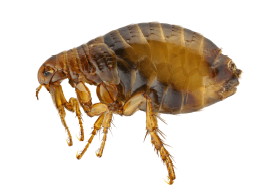
9. Fleas
Fleas are small insects that feed on blood and are often associated with dogs, cats, and other animals. A pet can introduce fleas into a home after spending time outdoors or coming into contact with an infested animal, but fleas may also develop in areas where animals rest.
Flea problems can be challenging because different stages of the flea life cycle may be present in the environment at the same time. Addressing the issue may therefore involve both the animals affected and the areas where fleas are developing.
If pets are involved, talk with their veterinarian about appropriate flea treatment. Regularly vacuuming carpets, rugs, furniture, and pet resting areas may also help reduce flea activity in the home.
What to look for:
- Fleas jumping from carpets, furniture, or pet bedding.
- Pets scratching or biting at their skin more frequently.
- Small dark specks on pet bedding or resting areas.
- Bites appearing around ankles or lower legs.
10. Ticks
Ticks are prevalent across Texas, thriving in shaded, humid environments with dense vegetation, tall grass, and leaf litter. Common species include the Lone Star tick, blacklegged tick (deer tick), and brown dog tick. Unlike fleas, ticks cannot fly or jump.
Instead, they climb to the tips of grass or brush and stretch out their legs to latch onto passing humans or animals, a waiting strategy known as “questing.”
Once attached, ticks feed on host blood for several days. Some infected ticks can transmit diseases such as Lyme disease and Rocky Mountain spotted fever. Bites from lone star ticks are also associated with STARI, a condition that can cause a Lyme-like rash.
What to look for:
- Small dark bugs clinging to skin or pet fur after outdoor activity.
- Ticks on tall grass, brush, or leaf litter.
- Ticks hiding around dog crates or sleeping areas.
- Ticks crawling up interior walls or trim.
11. Pantry Pests
Pantry pests are small insects that can infest stored food. Common examples include Indian meal moths, grain beetles, and weevils, which may enter homes through packaged food products or develop in forgotten items stored in cabinets.
These pests can spread from one food package to another when infested products remain in the pantry. Infestations spread rapidly across cabinets as larvae feed on dried fruits, nuts, flour, spices, pet kibble, and pasta.
Certain weevils have specialized snout jaws that allow them to drill tiny holes directly into intact, solid grains of rice, corn, and wheat to lay an egg inside, sealing the grain so the hatching larva can eat it from the inside out.
What to look for:
- Small gray-brown moths fluttering near pantries or lights.
- Clumpy webbing or cocoons in flour, meal, or cereal.
- Holes or damage in dry-food packages.
- Grains or spices sticking together in unusual clumps.
Practical Steps to Help Limit Pest Activity Around Your Home
You cannot always prevent every encounter with common pests in Texas, especially when weather and surrounding conditions favor pest activity. However, you can reduce many of the conditions that make your home attractive to pests.
Prevention works best when it becomes part of regular home maintenance instead of something you only consider after seeing a pest. Try incorporating these habits into your routine:
- Seal accessible entry points: Check around doors, windows, vents, and utility penetrations for gaps that may allow pests inside.
- Manage moisture: Repair plumbing leaks, address areas where water accumulates, and keep gutters functioning properly.
- Store food appropriately: Keep pantry staples and pet food in sealed containers and clean up crumbs and spills promptly.
- Keep garbage contained: Use containers with secure lids and avoid allowing food waste to accumulate.
- Reduce outdoor shelter: Limit unnecessary piles of debris, cardboard, and other materials near your home structure.
- Maintain vegetation: Keep grass, shrubs, and other vegetation managed around commonly used areas and avoid allowing plants to make direct contact with the structure where practical.
- Inspect stored items: Check boxes, firewood, outdoor furniture, and other materials before bringing them into the home.
When Should You Call a Pest Control Professional?
Seeing one pest does not always mean you have an infestation, but repeated sightings, nesting, damage, unusual noises, or recurring activity may indicate a larger problem. Pests such as termites, venomous spiders, scorpions, wasps, and hornets also require extra caution, as DIY treatments may not address where they enter, nest, or reproduce.
A professional pest control service, like Pest Control Experts, can help identify the pest, assess reasonably accessible areas of your property, and recommend treatment options based on the pest activity.
Frequently Asked Questions About Texas Common Pests in Texas
Have more questions about the common pests in Texas? Here are answers to some of the most frequent questions homeowners ask:
A: Pest activity in Texas often increases during spring and summer, when warmer weather supports breeding among termites, fire ants, mosquitoes, and flies. Summer heat and dry conditions may also drive ants and cockroaches indoors in search of moisture.
As autumn cools, rodents and spiders invade attics and wall voids seeking shelter, remaining active throughout the mild winter. Rather than relying on one specific season, you should watch for changes in pest activity throughout the year.
A: Seeing pests again does not always mean a treatment failed. Ongoing activity may result from entry points, outdoor nests, moisture, food sources, or hidden nesting areas that continue to attract pests.
Different household pests in Texas also have different life cycles and behaviors, so one approach may not address every stage or source. Repeated activity is a reason to look beyond the individual pest and consider where it is coming from. A professional evaluation can help connect the signs you see indoors with potential sources in reasonably accessible areas.
A: Professional pest control providers follow strict application guidelines and Integrated Pest Management (IPM) protocols aligned with Environmental Protection Agency (EPA) standards and industry best practices supported by the Professional Pest Management Alliance.
Licensed professionals use targeted techniques, placing products specifically in out-of-reach areas where pests hide, such as wall voids, behind appliances, and inside locked, tamper-resistant outdoor stations.
Protect Your Home From Common Pests in Texas With Pest Control Experts
Texas homeowners deal with a wide range of pests, from ants and cockroaches to mosquitoes, termites, rodents, and spiders, and understanding the species you are seeing can make it easier to decide what to do next. Regular home maintenance may reduce conditions that support many common pests in Texas, but recurring activity may require professional help.
Pest Control Experts are here to help you address pest concerns one home at a time, with services from trusted local experts such as Terminix and Aptive. Contact Pest Control Experts to get a free quote and schedule your home inspection today!